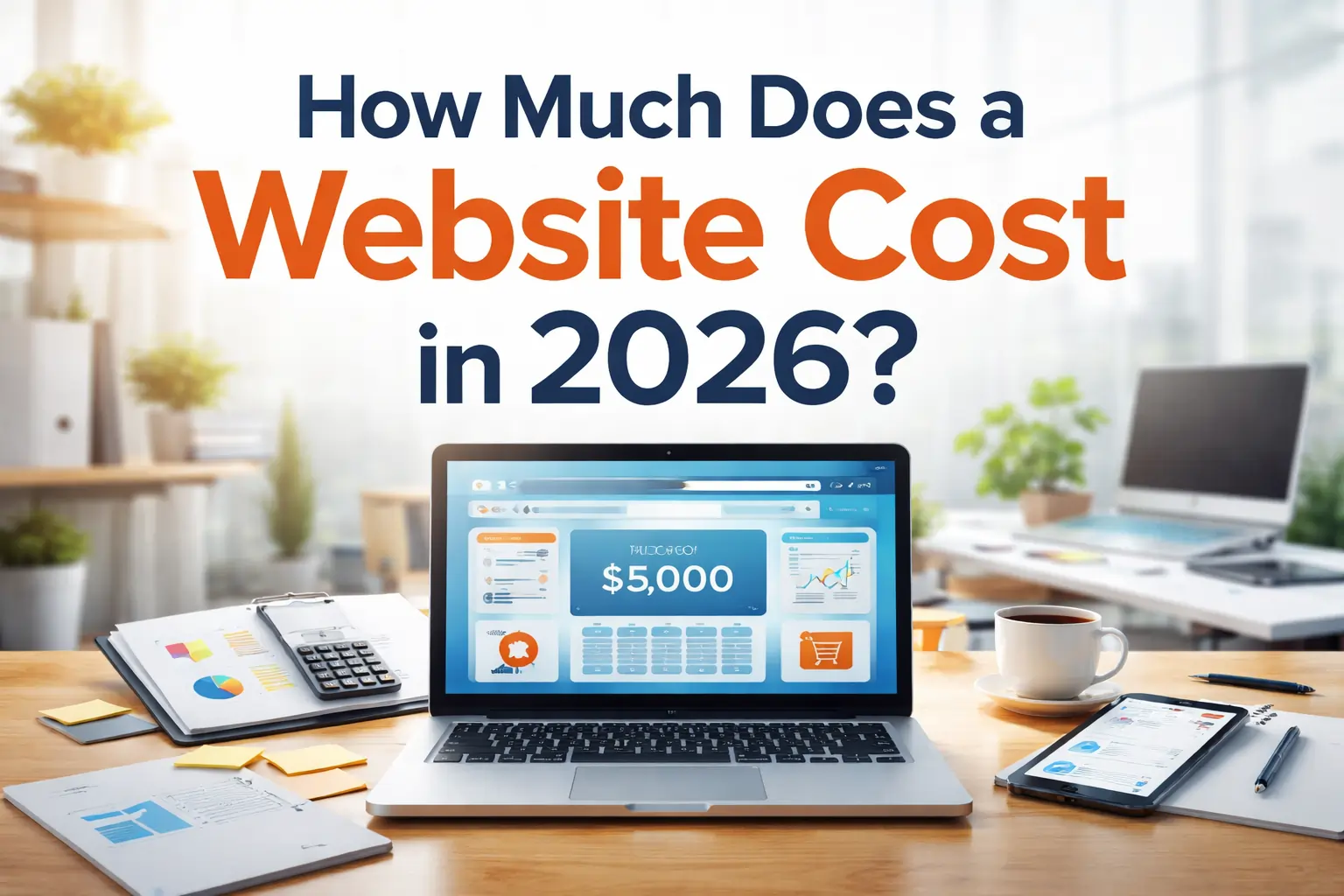
How much does a website cost in 2026? A website in 2026 can cost anywhere from a few hundred dollars to several thousand dollars depending on the size, complexity, and goals of your business. A simple DIY website built with a template may cost less than $500. A one-page website built by a freelancer or small studio often costs between $700 and $2,000. A multi-page business website with custom design, copywriting, SEO, and lead generation features usually costs between $2,000 and $8,000.
Ecommerce websites often cost the most because they need product pages, payment systems, shipping setup, customer accounts, and more testing. Many online stores start around $3,000 and can easily go above $10,000.
The real question is not just how much a website costs. The real question is what you need the website to do for your business.
How Much Does a Website Cost for a DIY Website?
A DIY website is the cheapest option. If you use platforms like WordPress, Wix, or Squarespace, you can usually build a basic site for $100 to $500 per year.
This works best if you are starting out, have a small budget, and do not mind handling the setup yourself.
How Much Does a Website Cost When You Hire a Freelancer?
A freelancer-built website usually costs between $500 and $3,000.
A simple site from a beginner freelancer may cost under $1,000. A more experienced freelancer may charge $2,000 or more if the project includes custom design, SEO setup, copywriting, or branding.
This is often a good option for small businesses that want something better than DIY without paying agency prices.
How Much Does a One-Page Website Cost?
A one-page website usually costs between $700 and $2,000.
This type of website works well for consultants, restaurants, local businesses, and founders who need a simple online presence. Most one-page websites include a hero section, services, testimonials, and a contact form.
If you are not sure whether this format is enough, read Is a One-Page Website Enough for a Small Business?
How Much Does a Small Business Website Cost?
A small business website with 5 to 10 pages usually costs between $2,000 and $8,000.
This often includes custom design, service pages, SEO setup, blog pages, lead forms, and mobile design.
How Much Does an Ecommerce Website Cost?
An ecommerce website usually starts around $3,000 and can go above $10,000.
Online stores cost more because they need product pages, payment systems, shipping setup, and customer accounts. Platforms like Shopify and WooCommerce are common choices.
What Affects Website Cost?
Several things affect how much a website costs. The first is the number of pages. A one-page site costs much less than a website with separate pages for services, blogs, FAQs, testimonials, and contact forms.
Content also changes the price. If you already have your text ready, your website will cost less. If you need help writing your homepage, service pages, and calls to action, expect to pay more. Strong copy is worth it because it helps turn visitors into leads.
Branding can also add to the budget. If you already have a logo, colors, and fonts, your designer can move faster. If you need a full brand identity, that adds more work.
Ecommerce features cost more because they need product pages, payment setup, shipping settings, and customer accounts.
SEO also affects website pricing. Basic SEO is often included. But keyword research, blog planning, technical SEO, and local SEO usually cost extra. You can learn more in SEO vs AEO vs GEO: How Modern Search, AI, and Answer Engines Discover Businesses.
Custom features also increase costs. Booking systems, chat tools, email software, CRM tools, and membership areas all take extra time to build.
Photography, custom graphics, and videos can raise the budget too. And revisions matter. A few changes are normal. Too many changes usually mean higher costs later.
DIY vs Freelancer vs Agency Pricing
DIY website tools are the cheapest option. Platforms like Wix, Squarespace, and WordPress can cost between $100 and $500 per year.
DIY works well if you are just starting, have a small budget, and only need a basic online presence. But you have to do everything yourself. You write the content, choose the design, manage updates, and fix problems when they happen.
Freelancers usually cost between $500 and $3,000 for a simple website. They are a good choice for founders and small businesses that want more help without paying agency prices. The main risk is inconsistency. Some freelancers do great work. Others rely on templates, miss deadlines, or disappear after launch.
Agencies usually charge between $5,000 and $20,000 or more. They often have designers, developers, copywriters, SEO specialists, and project managers working together. This can make sense for larger businesses or more complex websites. But agencies are often expensive, slower to move, and may push services you do not need. According to Clutch, many agency website projects start in the low thousands and go much higher depending on the scope.
Boutique studios usually sit in the middle. Most charge between $1,500 and $8,000. They often give you better communication, more personal attention, and more strategy without the cost of a large agency.
Why Cheap Websites Often Cost More Later
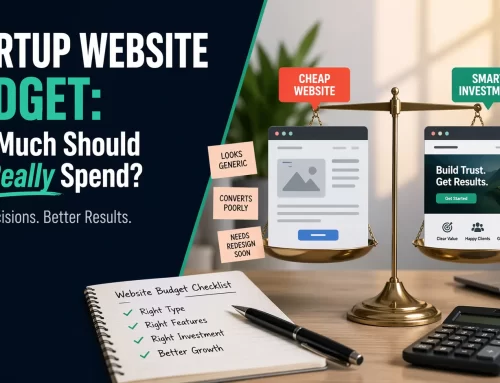
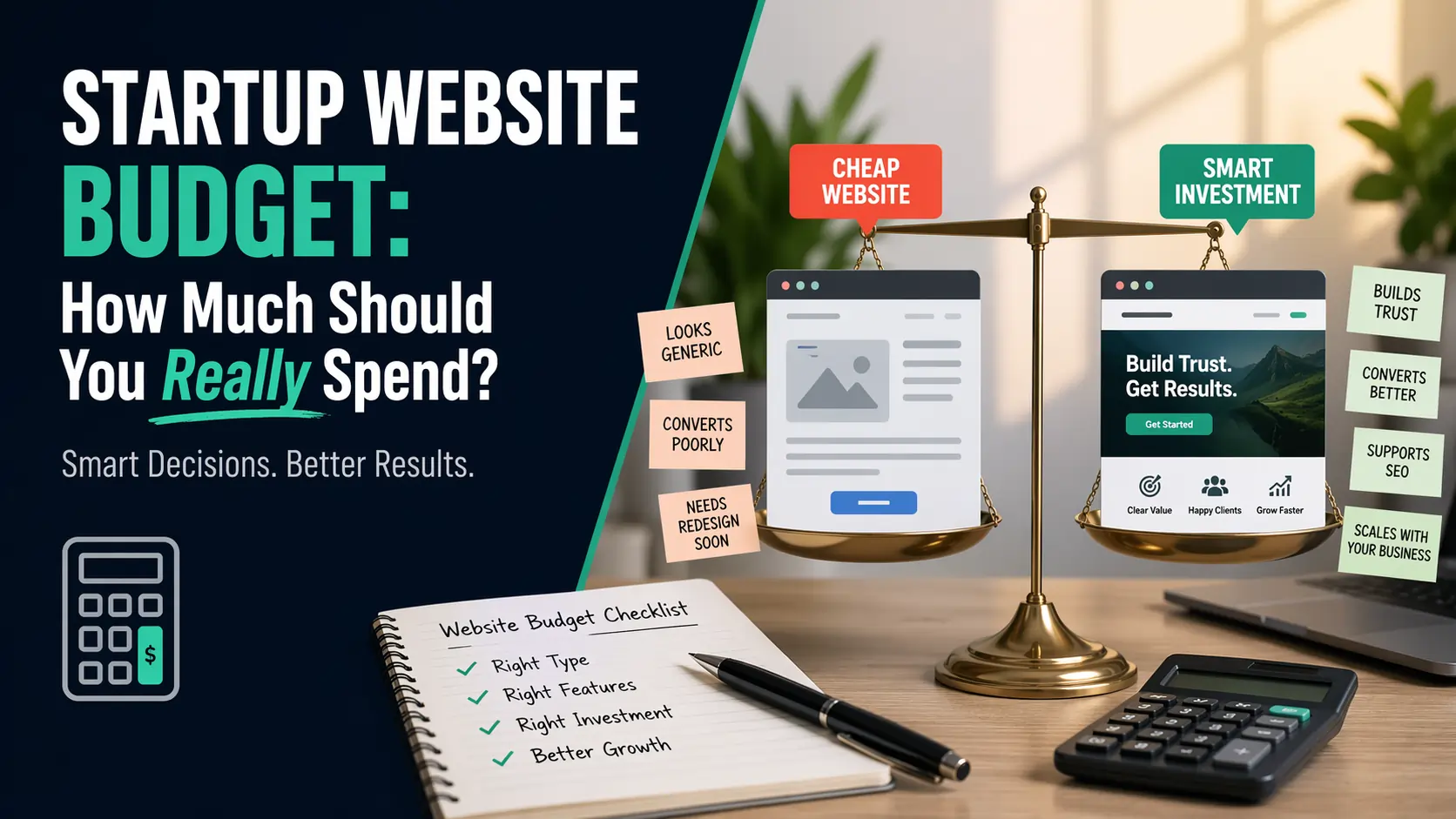
Cheap websites often look like a smart way to save money. But many startup founders and small business owners end up paying more later because the website does not help the business grow.
One big problem is poor conversion. A cheap website may look decent, but if visitors do not understand what you do or do not trust your business, they leave without contacting you. A website that does not bring leads, calls, or sales is not really cheap.
Weak SEO is another issue. Many low-cost websites are built without proper keyword targeting, page structure, mobile design, or technical SEO. That makes it harder for people to find you on search engines. That is why strong structure matters. Read What Makes a Website High-Converting? Psychology, Structure, and Conversion Principles.
Cheap websites also create redesign costs. Many businesses pay for a low-cost website, then rebuild it within a year because it feels outdated or cannot support new services and pages.
Template limitations can also become a problem. Many cheap websites use the same layouts, colors, and designs that hundreds of other businesses use.
And growth matters. If your website cannot handle new pages, bookings, products, or locations later, rebuilding becomes more expensive than doing it properly the first time.
How to Avoid Overpaying for a Website
The easiest way to avoid overpaying for a website is to be clear about what your business actually needs.
Start with your goals. If you only need a website to explain your services and collect leads, you probably do not need advanced tools or custom features. If you sell products online, take bookings, or want a blog, your needs will be different.
You should also know what pages you need before asking for quotes. Most startup founders and small businesses only need a homepage, about page, services page, testimonials, FAQ, and contact page. You do not need 15 pages if six pages can do the job.
Always ask what is included in the price. Some website packages include copywriting, SEO setup, mobile design, revisions, contact forms, and support after launch. Others only include the design. A lower quote may not actually save money if you have to pay extra for content, SEO, or updates later.
And avoid paying for features you do not need. Many first-time website buyers ask for custom animations, member portals, advanced booking tools, or special integrations without knowing if those features will help the business.
A clear, simple website often works better than a complicated one. The goal is not to have the most expensive website. The goal is to have the right website for your business.
What Is Worth Paying More For?
Some parts of a website are worth paying more for because they have a direct effect on leads, sales, and trust.
Good copy is one of them. Clear headlines, better service descriptions, and strong calls to action help visitors understand what you do and why they should contact you. Many business owners focus too much on design and forget that words sell. This is where story matters. Read What Is Story-Driven Web Design? A High-Converting Website Design Strategy Explained.
Better design is also worth the extra cost. A professional website builds trust faster than a site that looks outdated or generic. People decide quickly if a business feels credible.
SEO is another area that is worth paying for. A website that is built around the right keywords, page structure, and technical setup has a better chance of ranking on search engines.
Conversion-focused structure matters too. Your website should guide visitors toward a clear action like booking a call, filling out a form, or making a purchase.
Mobile performance is also important because most people visit websites on their phones.
And strategy is worth paying for. A website that is built around your business goals will almost always perform better than a website that only focuses on looks.
Final Takeaway
The cheapest website is not always the best investment. A website should be judged by what it helps your business achieve, not just by its upfront cost.
A low-cost website that looks outdated, loads slowly, or fails to generate leads can end up costing more later. Many businesses spend less at the start, then pay again for redesigns, SEO fixes, better content, or new features.
A better website does not always mean the most expensive option. It means choosing the right level of design, content, SEO, and strategy for where your business is today.
If you are comparing options, think beyond the price tag. Think about what you need the website to do. Do you need more leads, more trust, better search visibility, or a stronger brand presence?
That is what makes a website worth the investment.