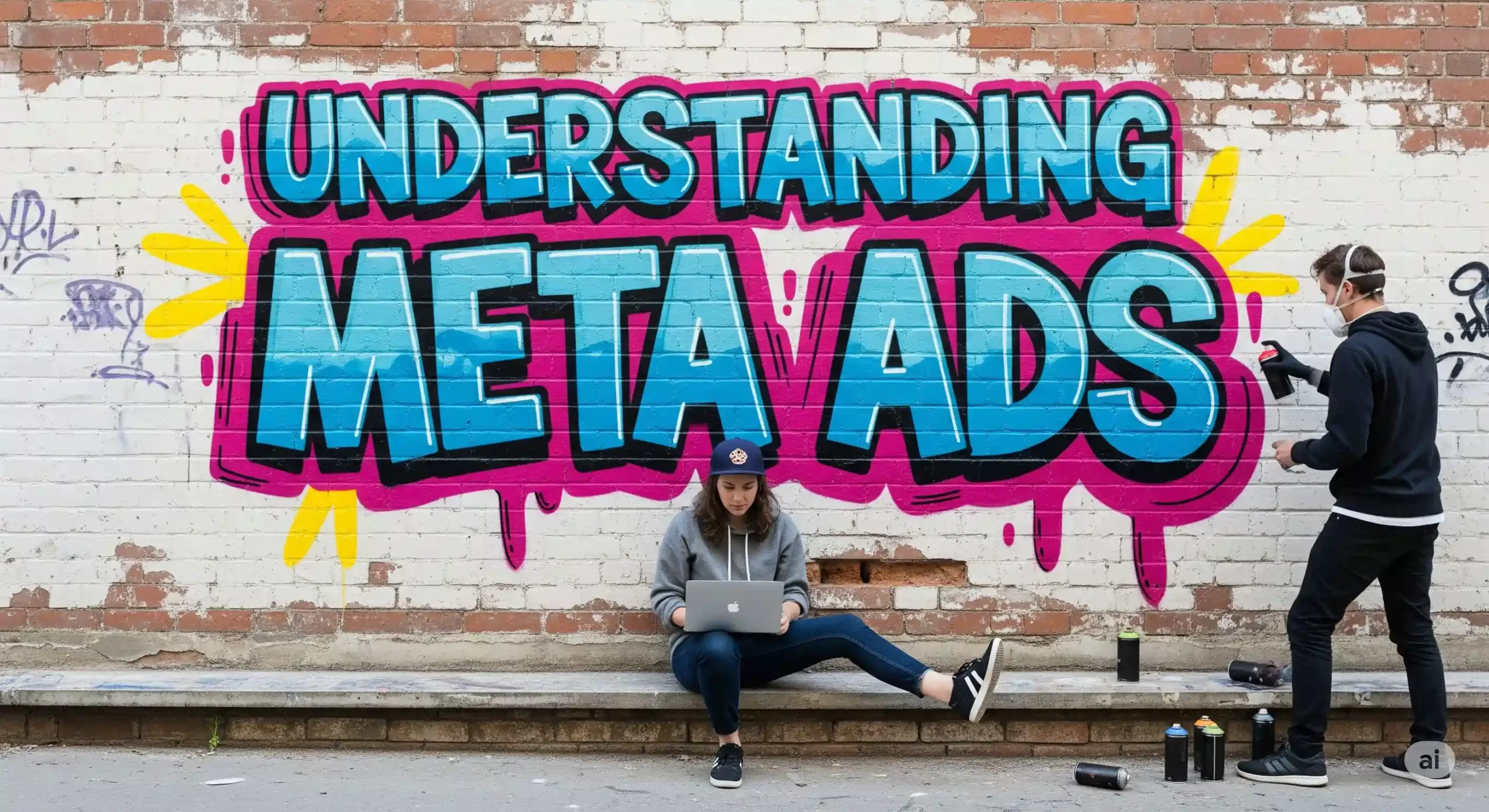
TL;DR: Understanding Meta Ads
Before you spend on Meta Ads, it’s important to get the mindset right. Unlike Google, Meta is not intent-based. You’re interrupting someone’s scroll, not answering a question. That means your ad needs to earn attention. Meta rewards ads that create a good user experience, not just the ones with high budgets. It works like an auction, where quality and relevance often beat money. The key is to test like a scientist, track what works, and treat every result as data. If you understand these four ideas, you’re already ahead of most beginners.
Understanding Meta Ads isn’t about knowing where to click. It’s about learning how to think. Most beginners jump into Ads Manager hoping the settings will do the work. But Meta doesn’t reward buttons. It rewards a mindset. Before you run your first campaign, you need to see Meta for what it is: a social platform protecting its users, not a vending machine for leads. This isn’t a how-to-click tutorial. It’s a how-to-think guide. In the next few minutes, you’ll learn four core mind-shifts that separate confident advertisers from those who waste their budgets and blame the algorithm.
Understanding Meta Ads as an Interruption: Why Attention Is Earned, Not Given
People on Google are searching for something. People on Meta are not.
That’s the first mindset shift you need to understand. On search platforms like Google, users already have intent. They’re actively looking for a product, a solution, or an answer. If you show up with a relevant offer, they’re likely to click.
But on Meta platforms like Facebook or Instagram, no one came looking for you. They’re scrolling to relax, laugh, watch reels, or catch up with friends. Your ad is an interruption. That’s not a bad thing. But it means you need to earn attention instead of assuming you’ll get it.
Think of it like this: Google is like a hardware store. People walk in already wanting to buy something. Meta is more like a dinner party. If you suddenly stand up at the table and start pitching your product, people will tune out unless you say something that’s actually interesting or helpful.
That’s why your Meta ad must feel like content, not a commercial. It must hook someone within seconds, either with curiosity, usefulness, or entertainment. The goal isn’t just to get seen. It’s to get noticed and remembered.
Try this: Instead of starting your ad by talking about your brand or features, open with a problem your audience faces, a bold question, or a surprising statement. Give them a reason to stop scrolling.
If your ad feels like an extension of what they were already enjoying, they’re far more likely to engage. That’s how you go from being an interruption to being welcome.
How Does the Three-Way Value Exchange Control Your Costs?
When you advertise on Meta, you’re not the only one with a goal. There are three players in the mix: you, Meta, and the user. And all three must benefit.
Let’s break it down.
-
The user opens Instagram or Facebook for entertainment or connection.
-
Meta wants to keep that user engaged on the platform.
-
You want to reach that user and drive a result, like a sale or lead.
Here’s the deal. If your ad makes the user stop, smile, watch, or click, Meta sees it as a good experience. That helps Meta retain the user. In return, they reward you by showing your ad more often and lowering your cost.
But if people skip or hide your ad, Meta sees it as bad content. Your reach drops. Your costs go up. Even if you’re spending a lot, poor creatives gets penalized.
That’s why it’s not just about budget or targeting. What matters most is how your ad makes people feel when they see it.
Here’s the mindset shift: You’re not buying attention. You’re earning it by respecting the user’s feed.
Tip: Test 2 or 3 different creatives at once. Compare performance. Focus on the version that gets likes, comments, saves, or clicks. Those signals tell Meta that people care. That’s how you reduce your cost and improve results.
Why Meta Ads Work Like an Auction, Not a Vending Machine
Many beginners treat Meta Ads like a vending machine. They assume that if they put in more money, they’ll automatically get better results. But Meta doesn’t work that way. Meta Ads run on a live auction system. To win, you need more than just money.
Each time an ad is about to appear, Meta holds a quick auction. You’re competing with other advertisers for the same viewer. But your bid is not only about how much you’re willing to pay. It’s made of three parts:
-
Your monetary bid
-
Your ad’s quality
-
Your ad’s relevance to the viewer
Meta calculates a total value for each ad based on these three inputs. The ad with the highest value wins the slot. This means that a smaller budget can still win if the ad is better targeted and more engaging.
If people stop scrolling to watch, read, or interact with your ad, Meta sees it as high-quality. Since Meta wants people to enjoy the platform, it rewards good ads by showing them more often and at a lower cost.
This is why relevance and quality matter more than just increasing your budget.
Pro tip: Don’t just spend more. Make better ads. Use Meta’s Ad Quality Guidelines to check your creative before you launch.
How to Think Like a Scientist When Running Meta Ads
Understanding Meta Ads means looking beyond wins or losses. It’s about treating every campaign like an experiment. One of the biggest mindset shifts in understanding Meta Ads is removing emotion from performance. A campaign that “fails” isn’t a failure. It’s a data point.
Think of yourself as a scientist in a lab. Each campaign is an experiment. You start with a hypothesis. For example, “This message will work best with this audience.” Then you test one variable at a time. That could be the headline, visual, audience, or offer. When results come in, don’t panic and don’t celebrate too soon. Just review what the data tells you. What worked? What didn’t?
This way, you stay calm and strategic. Over time, your process becomes less about guessing and more about refining what works.
Pro tip: Create a “learnings” file for every campaign. Add quick notes after each test. You’ll build your own playbook faster than most.
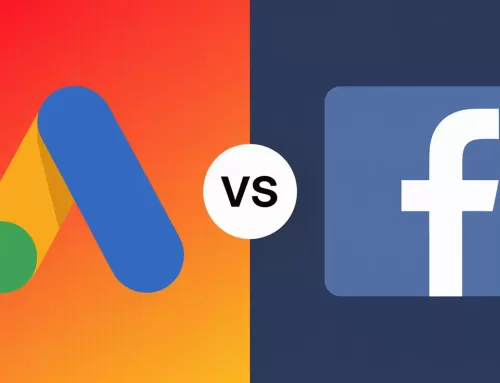
Want a deeper comparison between what works on Meta versus Google? This article breaks down what most marketers ignore: The Truth About Google Ads vs Facebook Ads: What No One Tells You
Conclusion: Mindset Before Mechanics
Understanding Meta Ads starts in your head, not in Ads Manager. Before you launch your first campaign, here’s a quick recap of the four mindset shifts you need:
-
Be a welcome interruption – Lead with value or curiosity to earn attention in a social feed.
-
Respect the value exchange – Create ads that users enjoy, so Meta rewards you with lower costs.
-
Think in auctions, not vending machines – Winning isn’t about budget alone. Relevance and quality play a big part.
-
Act like a scientist – Run tests, track what you learn, and keep emotion out of the process.
Most beginners jump straight into settings, hoping to “get it right.” But what separates skilled advertisers from frustrated ones is this mindset. The real work happens before the ad is live.
What’s the next step after mindset?
Build your ad strategy. Start with the funnel blueprint in Part 2 to plan your campaign the right way.
FAQ: Understanding Meta Ads
1. How long before I see results from Meta ads?
Most advertisers start seeing initial data trends within 7 to 14 days. However, consistent results take time. Meta’s algorithm needs enough data to optimize delivery. If you rush or keep changing your ads, the learning phase resets. Patience and consistency are key to understanding Meta Ads’ performance over time.
2. Can small budgets win Meta ad auctions?
Absolutely. Meta’s ad auction isn’t just about who pays the most. It also weighs ad quality and relevance. A compelling, well-targeted ad with a small budget can beat a poorly crafted one with a large budget. Focus on resonance, not just reach.
3. Why do some ads cost more than others?
Your ad costs depend on how Meta scores your ad’s relevance and engagement. If users ignore or hide your ad, costs go up. If they watch, click, or comment, Meta rewards you with lower CPMs. The better your ad experience, the less you pay.
4. What makes Meta ads different from Google ads?
Meta ads are about interruption, not intent. Users don’t come to scroll looking for your offer. You must grab their attention with storytelling or value. If you want a full comparison, read this detailed guide.
5. Why do good creatives matter so much?
Creatives are the first thing users notice. Strong visuals and copy build curiosity or connection fast. In Meta’s auction, engaging creatives improve your quality score, which directly reduces your cost per result.
6. What does Meta look for in a “good” ad?
Meta favors ads that people don’t skip, hide, or ignore. That means clean visuals, clear messaging, and content that feels native to the platform. When your ad blends into the feed experience while still offering value, Meta shows it more often.
7. How do I know if my ad is actually working?
Don’t just chase clicks. Look at key metrics like CTR, engagement rate, and conversion events. Always ask: what did I learn from this? Understanding Meta Ads means treating every result, good or bad, as valuable data.