For a startup, finding the right web development agency is more than just hiring for technical skills. It’s about partnering with an agency that understands the nuances of startup challenges—tight budgets, the need for quick yet sustainable growth, and the importance of strong branding. The right development partner will tailor their approach, balancing functionality and design with budget constraints, to set up a foundation for long-term success.
In this guide, we’ll walk through key factors to consider in your search for a development partner, providing actionable steps to help you find an agency that aligns with your goals and supports your growth.
Define Your Startup’s Website Goals and Budget
When working with a web development company, startups need to begin by defining their website’s core purpose and setting a realistic budget. With a clear vision, your partnership with a web development agency can become a targeted, strategic investment.
Identify Your Core Website Goals
Ask yourself: What primary role will your website serve for the business? This goal will shape your website’s design, features, and the approach of the web development company. Consider these common objectives:
- E-commerce: For startups looking to sell products online, the site needs to deliver a seamless shopping experience, complete with product pages, a user-friendly cart, and secure checkout options.
- Portfolio or Showcase: Service-oriented startups, such as designers or consultants, may want a site that prominently displays past work, helping to build credibility and attract clients.
- Lead Generation: If capturing leads or building an email list is a priority, your website should be optimized with strong calls-to-action (CTAs), well-placed forms, and engaging content aimed at your target audience.
- Information Hub: For educational startups, having a blog or resources section can help establish authority in the industry, draw in organic traffic, and engage users.
Each goal will require different design and functionality elements, so clarity on your objectives can guide the web development agency in crafting an effective website.
Balancing Budget and Quality with Your Web Development Company
Budget constraints are common for startups, but you don’t have to sacrifice quality. By setting priorities that align with your business goals, you can make the most of your resources while working with a web development company.
- Start with a Minimal Viable Product (MVP): Launch with the essential features only. This allows you to test the site’s effectiveness and gather user feedback, refining it over time.
- Opt for Scalable Features: Invest in features that are easy to expand later. If lead generation is your focus, start with basic forms and add a more sophisticated CRM system as the business grows.
- Consider Cost-Effective Platforms: Many startups opt for affordable website builders like WordPress, Wix, or Squarespace. If you require custom solutions, collaborate with a web development agency that balances custom-built and pre-designed components.
Aligning Brand Identity with Budget Planning
One key to a successful website for startups is a cohesive brand identity that resonates with visitors. With a limited budget, it’s essential to invest in high-impact branding elements like logos, color schemes, and consistent messaging. These can reinforce your brand image without breaking the bank.
For additional insights on building a consistent brand identity, explore our article on Why Brand Identity and Brand Guidelines Matter for Success.
What to Look for in a Web Development Company’s Portfolio
When choosing a web development company for your startup, their portfolio is your first look into their design style, approach to user experience, and alignment with startup goals. For startups with unique needs and budget constraints, evaluating a portfolio effectively can make the difference between a functional website and one that truly resonates with your audience.
Key Aspects to Assess in a Portfolio
- Design Style and Aesthetics
Startups benefit from a clean, modern design that reflects their brand identity. As you browse through the web development company’s portfolio, pay close attention to the design aesthetics of their previous projects. Are the layouts visually appealing yet uncluttered? Is there a consistent approach to branding elements, such as logos, color schemes, and typography, that aligns with your own vision? Look for work that matches the visual tone you envision for your startup. - User Experience (UX) and Navigation
A website’s success is determined not only by its appearance but also by how easily users can interact with it. Check for examples where the web development agency has created intuitive, seamless navigation. Features like a well-organized menu, responsive design, and strategically placed calls-to-action are signs of a company that values user experience. Remember, your website needs to make it easy for visitors to find information, contact you, or make a purchase without any friction. - Industry Relevance and Experience
While some web development companies are versatile, others specialize in specific industries. Look for experience in creating sites for startups or businesses in similar fields to yours. For example, if you’re launching an e-commerce startup, examples of past e-commerce sites with effective product showcases and checkout experiences show that the company understands industry-specific needs. - Branding and Storytelling
For startups, a website should not only function well but also tell your brand’s story. The portfolio should reflect a clear understanding of branding, with a cohesive look and feel that ties into the client’s mission. Whether it’s through visual design, messaging, or interactive features, look for projects that successfully convey a strong brand identity. This can be an indicator of how well the company might translate your startup’s values and story online.
Reviewing Case Studies and Results
Some web development companies go beyond showcasing screenshots in their portfolios and provide case studies. Case studies give valuable insights into the goals, challenges, and outcomes of past projects, revealing how the company approaches problem-solving and delivers results.
A case study typically includes:
- Client Goals and Challenges: What was the client looking to achieve, and what hurdles did they face?
- Approach and Solution: How did the company tackle the problem? What unique features or design elements did they introduce?
- Measurable Results: Did the site increase user engagement, lead generation, or sales? Metrics provide concrete evidence of the company’s effectiveness.
Case studies can be especially informative if they feature startups, showing that the company understands the unique needs and limited budgets typical of early-stage businesses.
Example of Successful Startup Site
To see how successful portfolio analysis can look, Forbes offers insights into how to evaluate a web development agency’s portfolio that align well with startup needs, including finding balance between design and functionality.
By taking the time to analyze portfolios through the lens of your goals, you’ll be better prepared to choose a web development company that aligns with your brand, resonates with your audience, and supports your startup’s growth.
Understanding Agency Expertise and Services
When evaluating a web development company, it’s essential to understand the specific expertise and services they bring to the table. For startups, a well-rounded agency with a strong foundation in core development areas ensures that your website will be built to scale, perform well on search engines, and offer a seamless user experience on any device. Here’s what to look for in a web development company’s expertise:
Key Services and Expertise to Look For
- Mobile Responsiveness
In today’s mobile-driven world, your website must be optimized for all devices, especially smartphones. A mobile-responsive design ensures that users can navigate and interact with your website comfortably on any screen size. A good web development agency will prioritize a mobile-first approach, ensuring that your website is fast, easy to navigate, and fully functional across all devices. Mobile responsiveness is not just a convenience—Google’s search algorithm favors mobile-optimized sites, giving your startup a competitive edge in visibility. - Search Engine Optimization (SEO)
Startups often face the challenge of establishing visibility in a crowded online space. SEO plays a critical role in helping your website get found by potential customers from day one. A web development company with strong SEO expertise will ensure that your site architecture, page load speed, and meta tags are optimized to rank higher in search engine results. Additionally, implementing SEO best practices during the development phase—such as optimizing images, setting up schema markup, and ensuring fast load times—can significantly impact your website’s ability to attract organic traffic.For a deeper understanding of how branding and SEO intersect, read our article on What Makes Online Branding Effective. - Scalability and Flexibility
As your startup grows, your website needs may evolve. A flexible, scalable website infrastructure enables you to add features and functionality without having to rebuild your entire site. Whether it’s expanding product pages, adding a blog, or integrating third-party tools, the agency you choose should have experience building websites that can grow alongside your business. Scalability is also key if your site begins to see higher traffic volumes, as it helps ensure your site remains fast and efficient, even during peak periods. - User Experience (UX) and User Interface (UI) Design
A startup’s website must offer an intuitive and pleasant user experience. The agency should be proficient in UX/UI design principles, which involve creating layouts that are not only visually appealing but also easy to navigate. Good UX keeps visitors on your site longer, reduces bounce rates, and encourages users to take action—whether it’s signing up for a newsletter, making a purchase, or contacting your team. - Content Management Systems (CMS)
Startups often need a content management system to easily update their website content as the business evolves. A web development agency experienced with popular CMS platforms like WordPress, Shopify, or custom CMS solutions can help you make informed choices based on your budget, goals, and technical needs. A CMS empowers your team to manage content changes without needing continuous developer support, making it ideal for startups with dynamic content requirements. - Security and Maintenance
Cybersecurity is a growing concern, and protecting user data is essential for maintaining credibility. An experienced agency should prioritize secure development practices, including implementing SSL certificates, setting up secure payment gateways, and keeping the site’s software updated to prevent vulnerabilities. Additionally, inquire about ongoing maintenance services to ensure your website remains secure, up-to-date, and performing optimally over time.
Why These Services Matter for Startups
Each of these services contributes to a solid foundation that can support a startup’s growth. Choosing a web development agency with expertise in these areas ensures that your website is prepared to handle early challenges, support brand visibility, and create an engaging user experience that builds trust with visitors.
An agency well-versed in mobile responsiveness, SEO, and scalability brings more than just technical skills to the table—they bring a strategic advantage that allows your startup to compete and grow in the digital landscape. By investing in these areas, you set up your website to perform effectively and scale with your business needs.
Evaluating the Agency’s Process and Communication
For a successful collaboration, it’s essential to work with a web development agency that not only has the technical skills but also a clear, efficient process. A transparent and collaborative workflow allows startups to stay informed and engaged throughout the project, leading to a website that truly aligns with your brand and business goals. Here’s how to evaluate an agency’s process and communication style to ensure a smooth experience:
Key Aspects of a Productive Process and Communication Style
- Project Management Tools and Workflow Transparency
The agency’s choice of project management tools can significantly impact the workflow. Tools like Asana, Trello, and Monday.com are commonly used to track project milestones, assign tasks, and keep communication streamlined. These platforms offer transparency, allowing you to check in on progress, give feedback, and stay updated on deadlines without waiting for formal meetings. When discussing potential agencies, ask them to walk you through their typical project setup and how they handle task management. - Effective Communication Channels
For many startups, consistent communication is a top priority. Agencies often use communication tools such as Slack, Microsoft Teams, or email to keep in touch. During your initial discussions, gauge their responsiveness and willingness to set up regular check-ins or updates. Clear, open communication helps ensure that everyone is on the same page, from design elements to timelines, reducing the risk of misunderstandings and delays. Discuss how frequently you’ll have updates, whether it’s weekly calls or bi-weekly reports, to ensure the cadence meets your needs. - Responsiveness and Flexibility
Startups often operate in fast-moving environments, and the right web development agency will understand the need for flexibility. Responsiveness—whether in addressing concerns or implementing feedback—shows the agency’s commitment to collaboration. During your evaluation, pay attention to how promptly they respond to initial inquiries and questions. This can give you insight into how they’ll handle communication and feedback once the project is underway. - Feedback and Revision Protocol
It’s normal to have multiple rounds of feedback during a website development project. Ensure the agency has a structured yet flexible approach to handling feedback and revisions. Many agencies use staged approvals for each phase, such as initial design, content implementation, and final testing. This structured process allows you to provide feedback before moving on to the next stage, ensuring that your vision is aligned at every step. Ask about the number of revision rounds included in their proposal and how they handle additional changes. - Clear Project Milestones and Timeline
A well-organized web development company will outline clear milestones for each stage of the project, from initial discovery to launch. These milestones provide checkpoints to review progress, address any concerns, and ensure the project remains on schedule. Ask the agency to share a sample project timeline so you can understand how they plan and allocate resources. This helps you get a sense of their time management and organizational skills, both of which are critical for timely project completion.
Why Communication Matters for Startups
For startups, working with an agency that’s communicative and organized is crucial for maintaining project momentum. An agency with a transparent process not only ensures that the project remains on track but also provides peace of mind, allowing you to focus on other aspects of growing your business. Effective communication fosters trust and collaboration, which are invaluable when building a strong, impactful online presence.
Internal Link: For more insights on evaluating agency processes and building a collaborative relationship, check out The Ultimate Guide to Choosing the Right Website Design Agency.
Prioritizing Startup-Friendly Features for Your Website
For a startup, having a functional, user-friendly website that reflects your brand’s identity is essential, but it’s equally crucial to incorporate features that support growth and engagement. Your website should not only look great but also perform well in ways that drive conversions, improve SEO rankings, and enhance the user experience. Here are some key features to prioritize when designing a website for startups:
1. User-Friendly Navigation
Why It Matters: Clear and intuitive navigation is critical to keep visitors engaged and moving through your website. Potential customers should be able to find what they’re looking for with minimal effort. A well-structured menu, categorized sections, and easy access to key pages—like your “About,” “Services,” and “Contact” pages—can improve user experience and reduce bounce rates. How to Implement: Start with a clean, simple layout and organize information logically. Use a fixed header that keeps navigation options visible as users scroll, especially on mobile devices. This keeps your most important pages easily accessible throughout their visit.
2. Conversion-Focused CTAs (Calls-to-Action)
Why It Matters: Calls-to-action guide users to take specific actions, whether signing up for a newsletter, requesting a demo, or making a purchase. For startups, CTAs are crucial for driving conversions and capturing leads that can be nurtured over time. How to Implement: Place prominent, compelling CTAs on key pages like the homepage, product pages, and blog posts. Use action-oriented language, such as “Get Started,” “Learn More,” or “Request a Free Consultation,” to encourage engagement. Make sure they stand out visually, using contrasting colors or larger buttons to draw attention without overwhelming the design.
3. Mobile-First Design
Why It Matters: With most users browsing on mobile, a mobile-first design approach ensures that your website is fully responsive, delivering a seamless experience across devices. Google also prioritizes mobile-friendly sites in search rankings, which can significantly impact your SEO. How to Implement: Test your website on various devices to ensure it adjusts to different screen sizes without sacrificing functionality. Use responsive images, easy-to-read fonts, and a streamlined layout that performs well on smaller screens. Prioritize mobile performance to reach and retain users on the go.
4. SEO-Optimized Content and Structure
Why It Matters: Search Engine Optimization (SEO) is essential for startups that need to build visibility in a competitive market without a huge marketing budget. By optimizing your website for relevant keywords, you can attract organic traffic and increase brand awareness. How to Implement: Focus on creating high-quality, keyword-rich content that speaks to your target audience’s needs and interests. Implement basic SEO practices, such as optimizing meta tags, using alt text for images, and structuring content with header tags (H1, H2) to make it more readable and crawlable by search engines. For a comprehensive guide to SEO, check out resources from Moz or Ahrefs.
5. Fast Loading Speed
Why It Matters: A fast website loading speed enhances user experience, improves engagement rates, and positively impacts SEO rankings. A delay of just a few seconds can lead to higher bounce rates, meaning potential customers may leave before even viewing your content. How to Implement: Optimize images by compressing them without sacrificing quality, use lazy loading for media, and minimize code to reduce page load times. Choose a reliable hosting provider with good server performance to further boost your website’s speed.
6. Social Media Integration
Why It Matters: Social media offers startups a platform to connect with audiences and drive traffic back to their websites. Integrating social links on your website allows users to engage with your brand across multiple channels, amplifying your reach. How to Implement: Include social media icons in the header or footer, linking to your brand’s active profiles. For blog posts, add share buttons so visitors can share content they find valuable, further boosting your brand’s visibility.
7. Blog for Content Marketing
Why It Matters: A blog provides an excellent opportunity for startups to engage with potential customers, build authority in their industry, and boost SEO by regularly publishing keyword-rich content. Blogging can help establish your brand as a thought leader and keep visitors returning to your site. How to Implement: Publish content that’s relevant and useful to your target audience. Topics like industry insights, product updates, and how-to guides work well for startups. To learn more about the value of consistent branding and content marketing, check out our article on What Makes Online Branding Effective.
Final Thoughts on Website Features for Startups
Prioritizing these features will ensure your website supports both your brand identity and your growth objectives. By focusing on user-friendly navigation, mobile responsiveness, SEO, and fast loading speeds, your startup’s website can become a powerful tool for attracting customers and building a credible digital presence.
How to Ensure Brand Consistency and Positioning
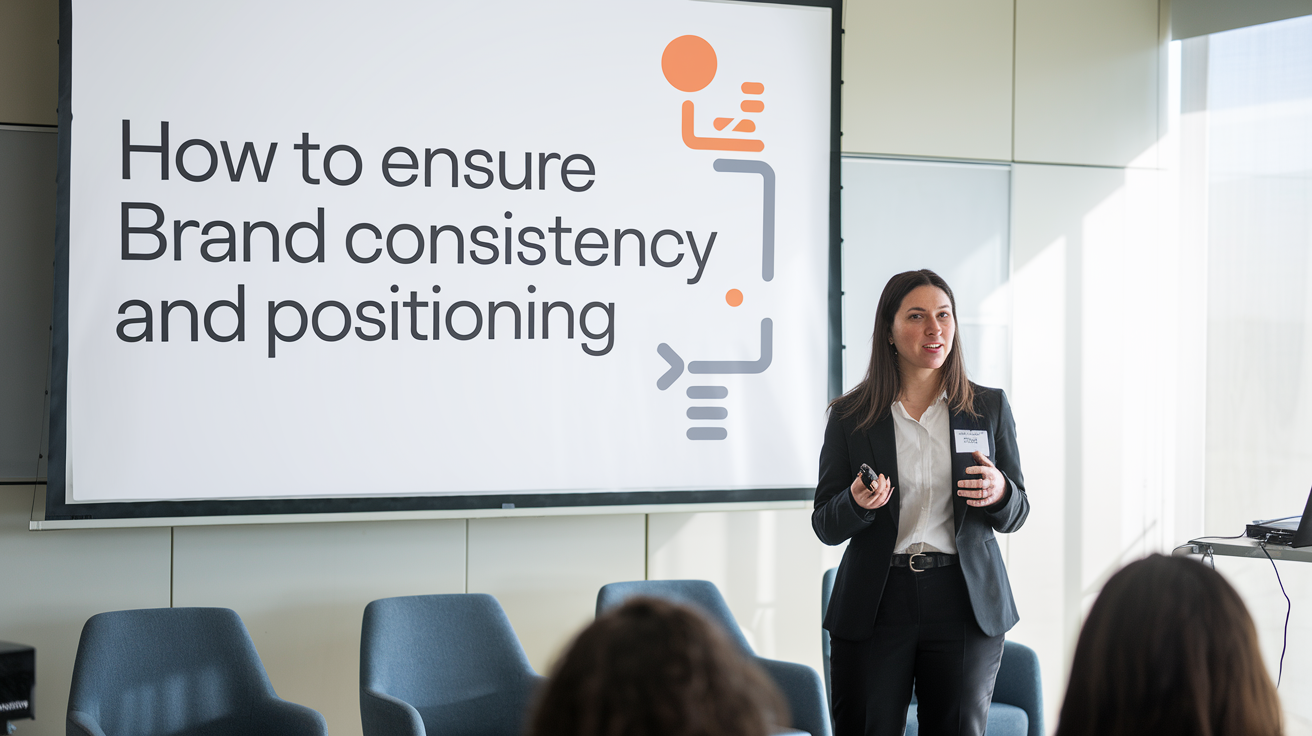
Learn how to maintain brand consistency and strong positioning across all platforms for a memorable and trusted startup identity.
When designing a website for startups, one of the most crucial elements to keep in mind is brand consistency. Collaborating with a professional web development agency ensures that your website aligns seamlessly with your brand’s identity, presenting a unified look across all digital platforms. This consistency not only builds trust with potential customers but also strengthens brand recognition, making your startup memorable in a competitive market.
Why Brand Consistency Matters for Startups
For startups, brand consistency can mean the difference between being memorable and getting lost in the crowd. Your brand identity — including your logo, color palette, fonts, tone of voice, and messaging — should remain cohesive across your website and other platforms. A skilled web development agency will help you achieve this by integrating these elements into your site design, creating a sense of reliability and professionalism that resonates with users.
For more insights on creating a memorable brand, see 10 Essential Tips for Building a Website for Your Startup.
Key Elements for Brand Consistency on Your Website
To create a strong, cohesive brand experience, ensure these elements are consistent across your website:
- Logo and Visual Identity: Display your logo prominently on every page. Use your brand’s primary and secondary colors throughout the website to reinforce visual identity. A web development agency can help ensure these elements are applied in a way that strengthens your brand.
- Tone of Voice and Messaging: The language and tone of your content should reflect your brand’s personality. Whether your startup has a casual or professional tone, a development agency can ensure that this voice is clear and consistent throughout.
- Imagery and Media: Use images, videos, and other media that reflect your brand’s values and aesthetic. Customized visuals aligned with your brand’s unique personality help set your website apart.
- User Experience (UX): The flow of your website should match the expectations set by your brand. A well-chosen web development agency will understand how to create UX that aligns with your brand values and appeals to your audience.
Maintaining Brand Consistency Across Digital Channels
Your website is just one piece of the digital landscape. For a comprehensive brand presence, ensure consistency across all online platforms, from social media to email marketing:
- Social Media Alignment: Ensure profile pictures, cover photos, and bios across social media channels use the same colors, logo, and messaging style as your website.
- Email Marketing: Consistency in email templates, from design to tone, reinforces your brand identity with subscribers.
- Content Marketing: If you engage in content marketing, a unified tone and visual style across blog posts and other media strengthen brand identity.
Tools and Resources to Support Brand Consistency
Consider creating a brand style guide, which outlines specific elements and rules for your logo, colors, typography, imagery, and tone. A web development agency can assist in developing this guide and ensure all online elements align with your brand.
Wrapping Up Brand Consistency and Positioning
For startups, a consistent brand is essential to building recognition and trust. By following these guidelines and working with an experienced web development agency, you can create a website that resonates with your target audience and communicates a unified, professional image across all digital channels. Maintaining a cohesive brand presence helps position your startup for long-term success and growth.
Weighing DIY vs. Hiring a Web Development Company
For startups, choosing between a DIY approach and hiring a professional web development company is a critical decision. Each option has its benefits and drawbacks, and the right choice depends on your budget, technical skills, and the complexity of your website’s needs.
DIY Website Builders for Startups: Pros and Cons
Website builders like Wix, Squarespace, and Shopify offer simple, user-friendly platforms for startups with limited budgets or minimal technical expertise. These tools allow you to create a functional, visually appealing website without hiring a web development company. Here’s a quick look at the pros and cons:
- Pros:
- Affordability: DIY platforms are generally cost-effective, with low monthly subscription fees.
- Ease of Use: These platforms come with drag-and-drop editors, making it easy for beginners to design a website.
- Quick Setup: You can get a website up and running in a matter of hours, ideal for startups looking to establish an online presence quickly.
- Cons:
- Limited Customization: While easy to use, DIY platforms often lack advanced customization, which can limit your brand’s unique identity.
- Scalability Challenges: As your startup grows, you may find it challenging to scale a DIY website to accommodate new features or higher traffic.
- SEO Limitations: DIY builders may not provide robust SEO capabilities, which are critical for startups looking to boost online visibility from day one.
For startups considering the DIY route, here’s a helpful guide on Web Development: How Appropriate It Is to Do on Your Own.
When to Choose a Web Development Company
A professional web development company offers the expertise, customization, and scalability that DIY platforms may lack. Here’s when hiring an agency is likely the best choice for startups:
- Brand-Centric Customization: If you want a unique, highly customized website that captures your brand identity and positions you as a standout in the market, a web development company provides this advantage.
- Advanced Functionality: For startups needing advanced features such as e-commerce, membership portals, or data integrations, a professional agency can handle the technical complexities.
- Long-Term Growth: As your startup grows, you’ll want a website that can scale. A web development company ensures your site is built on a solid foundation to support future growth and flexibility.
- SEO and Performance Optimization: Professional developers have the skills to implement robust SEO strategies and optimize your site’s loading speed and performance.
Choosing the right web development company allows your startup to harness a powerful, scalable, and high-performing website that meets both present and future needs.
Conclusion: The Path to Finding the Perfect Web Development Agency
In today’s competitive digital landscape, a well-designed website is crucial for a startup’s success. By understanding your goals, budget, and technical needs, you can determine the best approach—whether that’s leveraging a DIY platform or hiring a professional web development company.
Start by outlining what you need from your website for startups, weighing the pros and cons of DIY versus hiring a professional. Don’t hesitate to reach out to a web development agency that aligns with your vision. With the right partner, your startup can create a powerful online presence that fosters growth and positions you for long-term success.
Questions to Ask Before Hiring a Web Development Company
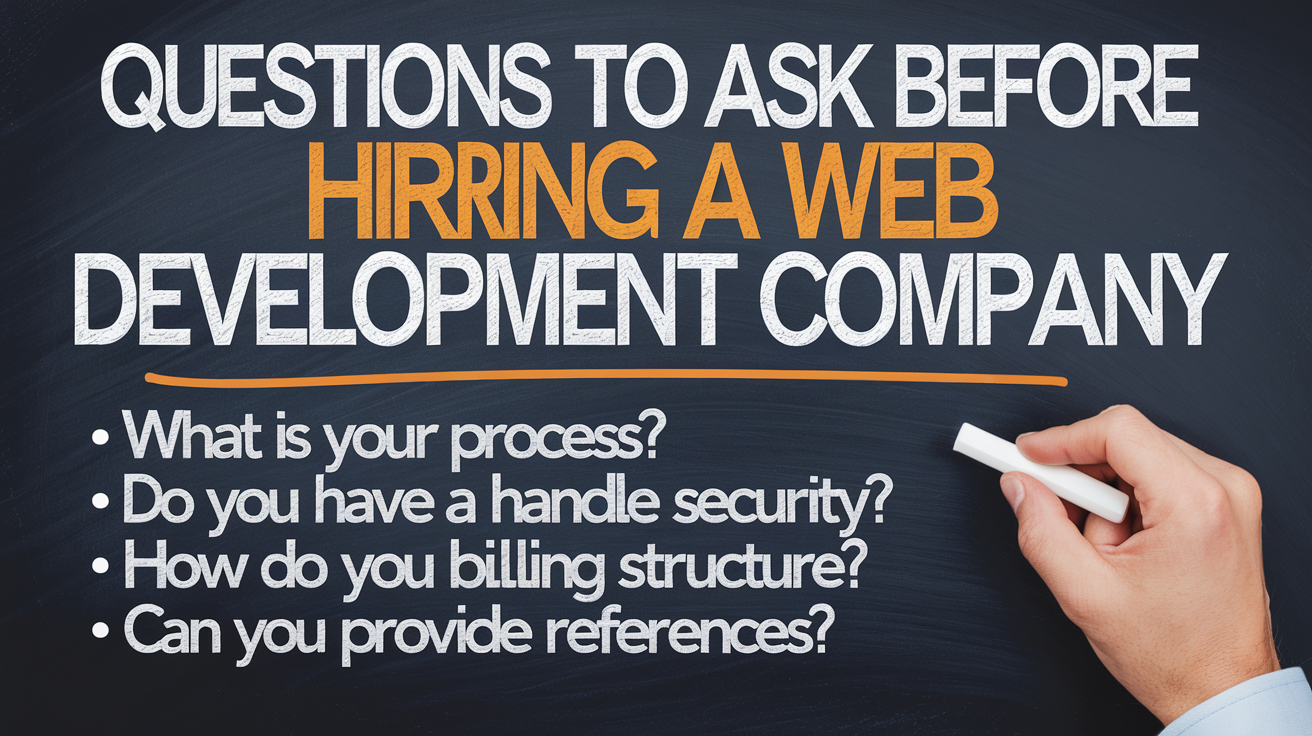
Before hiring a web development company, ask these key questions to ensure you find the right fit for your startup’s needs.
When choosing a web development company for your startup, it’s essential to ask the right questions to ensure that the agency can meet your unique needs. Here’s a checklist of crucial questions to help you assess a potential agency’s expertise, experience with startups, and the long-term support they offer.
1. What Experience Do You Have Working with Startups?
Why Ask: Startups often have different needs than established businesses, such as tighter budgets, a focus on growth, and specific brand-building goals. Follow-Up: Ask for case studies or examples of past work with other startups. This will give you insight into their approach to handling similar challenges and their ability to deliver value within startup constraints.
2. Can You Share Case Studies and Client References?
Why Ask: Reviewing case studies and speaking with past clients can provide a clearer picture of the agency’s success rate, communication style, and project management skills. Follow-Up: Look for evidence of completed projects that align with your goals. Ask the client references about their experience working with the agency, including responsiveness, flexibility, and post-launch support.
3. How Will You Ensure My Website Aligns with My Brand Identity?
Why Ask: Consistency with your brand identity is crucial for building trust and recognition among users. Follow-Up: Ask if they involve branding specialists or designers who understand your brand’s personality. For more insights into the importance of brand consistency, see Why Brand Identity and Brand Guidelines Matter for Success.
4. What’s Included in the Development Cost?
Why Ask: Understanding the breakdown of costs when working with a web development company can help you avoid unexpected expenses. Some agencies may charge extra for essential features like SEO optimization or mobile responsiveness. Follow-Up: Request a detailed estimate that includes costs for design, development, testing, and any post-launch maintenance. Clarify if there are additional charges for updates, revisions, or technical support, ensuring that your partnership with the web development company remains within budget and aligned with your goals.
5. How Do You Approach SEO and Mobile Optimization?
Why Ask: SEO and mobile responsiveness are critical for startups looking to grow their online presence. A website that’s optimized for search engines and mobile devices can help increase traffic and improve user experience. Follow-Up: Ask if they follow best practices for SEO, like optimizing meta tags, site structure, and page load speed. Inquire about their experience with mobile-first design, which is crucial for startups looking to capture mobile traffic.
6. What Project Management Tools Do You Use?
Why Ask: Effective project management tools help ensure smooth communication, track project progress, and manage timelines efficiently. Follow-Up: Look for agencies that use established tools like Slack, Trello, or Asana for transparency and collaboration. This helps both parties stay on the same page and ensures deadlines are met.
7. Will You Provide Ongoing Support and Maintenance After Launch?
Why Ask: Websites need regular updates, bug fixes, and potentially new features as your startup grows. A good web development company should offer reliable post-launch support. Follow-Up: Inquire about the specifics of their maintenance packages, including how they handle issues that arise after launch, their typical response time, and the cost of ongoing support.
8. How Customizable Will the Website Be?
Why Ask: Customization is essential for scaling and adapting your website as your startup evolves. Some agencies offer template-based solutions that may limit flexibility. Follow-Up: Ask about the platform they use and the level of customization it supports. Determine if you’ll be able to make future changes yourself or if you’ll need ongoing assistance from the agency.
9. How Long Will the Project Take from Start to Finish?
Why Ask: Timelines are essential, especially for startups with product launches or marketing campaigns tied to the website’s release date. Follow-Up: Get a clear timeline and ask how they handle delays or revisions that might extend the project. This will help you set realistic expectations and plan other business activities accordingly.
10. Do You Offer Training for Website Management?
Why Ask: After the website goes live, your team may need to manage content, upload new products, or make minor updates. Training will empower your team to handle day-to-day site maintenance. Follow-Up: Ask if they provide training sessions or documentation, like video tutorials or a user manual, for managing the website.
How to Choose a Web Development Company?
Choosing the right company involves reviewing their portfolio, understanding their expertise, and assessing their communication style. Prioritize agencies with experience in your industry and a track record of delivering on time and within budget.
What Should Startups Prioritize in a Website?
Startups should focus on creating a user-friendly, mobile-optimized website with clear branding and strong calls-to-action. Prioritize SEO and scalability for long-term growth.
How Much Should a Startup Website Cost?
Costs vary widely based on customization, features, and agency expertise. A basic startup website could range from a few thousand dollars to tens of thousands for a highly customized, scalable solution.
Why Do Startups Need SEO?
SEO enhances online visibility, helping startups attract organic traffic and potential customers. It is a cost-effective way to reach a larger audience without a substantial marketing budget.
Should I Go DIY or Hire a Web Development Company?
For limited budgets and simple sites, DIY platforms like Wix or Squarespace may be suitable. However, for scalability and custom branding, hiring a professional agency provides a more robust, flexible solution.
Final Thoughts on Choosing the Right Web Development Company
Asking these questions will give you a deeper understanding of the agency’s capabilities, approach, and whether they’re a good fit for your startup’s specific needs. A solid foundation of open communication and clear expectations will set your project up for success, ensuring a website that’s built to support your startup’s growth and branding goals.
The post Finding the Perfect Web Development Company for Your Startup appeared first on Best Media Agency.
]]>However, creating an impactful website requires more than just aesthetics—it demands alignment with your brand and business goals. Finding the right website design agency that understands your vision can be challenging, especially with numerous agencies offering similar promises. To select the best partner, it’s essential to choose an agency with the expertise to create a website that resonates with your audience and reflects your unique brand.
Many businesses make the mistake of choosing a web design partner based on cost alone, or without considering how the company will align with their brand identity. A mismatched partnership can result in a website that looks generic, lacks functionality, or fails to connect with your target audience. This not only harms your brand’s reputation but can also lead to lost opportunities and wasted resources. To dive deeper into why maintaining brand consistency matters online, check out our guide on Why Your Business’s Online Appearance Must Match Your Brand Identity.
That’s why we’ve created this comprehensive guide. Our goal is to help you navigate the process of selecting the right web design company. By the end of this article, you’ll have all the information you need to make an informed decision, ensuring that the company you choose will build a site that not only functions seamlessly but also reflects and elevates your brand.
In this guide, we’ll walk you through each step of the process, from identifying your website needs to evaluating a design company’s portfolio, SEO expertise, and post-launch support. Armed with this knowledge, you’ll be able to confidently select the right partner to create a website that makes a lasting impact.
The Impact of Choosing the Right Web Design Agency on Your Brand’s Success
In today’s digital-first world, your website is more than just an online address—it’s your brand’s first impression, often shaping customers’ perceptions and trust from the very start. Research consistently highlights the importance of web design: 75% of users judge a business’s credibility based on its website (Stanford). This means that the quality and professionalism of your website can make or break potential relationships with new customers.
A thoughtfully crafted website should look appealing, work seamlessly, and offer an intuitive experience for users. 88% of online users are less likely to return to a site after a bad experience (HubSpot), underscoring the importance of choosing a web design company that values user experience. A top-tier web design company knows how to strike the balance between aesthetics and usability, ensuring that every element of the website contributes to a positive user journey.
The Pitfalls of Choosing the Wrong Partner
Selecting the wrong web design company can lead to a series of costly mistakes, like an off-brand or unprofessional website. Such issues can drive potential customers away and damage your brand’s credibility. Imagine hiring an agency that lacks experience in your industry or doesn’t fully understand your target audience; this can result in a website that feels generic or mismatched with your brand identity.
Additionally, some companies may cut corners on essential features like SEO optimization, fast load times, and mobile compatibility, which are crucial for website success. Without these, even the most attractive website can struggle to attract traffic and retain visitors.
Step 1: Understand Your Website Needs
Before diving into the search for a website design agency, it’s crucial to clearly understand what you want to achieve with your website. A well-defined vision will help you communicate your goals effectively, ensuring that the chosen web design agency aligns with your objectives and brand identity. This step involves defining your business goals, selecting the right type of website, and setting a realistic budget.
Define Your Business Goals
Start by clarifying what you aim to accomplish with your website. Is your primary objective to generate sales, showcase a portfolio, inform users, or improve brand visibility? Each goal influences the design and functionality required:
- Increase Sales: If driving sales is the main goal, focus on user-friendly e-commerce features, a streamlined checkout process, and clear calls-to-action. Statistics show that even a one-second delay in load time can reduce conversions by up to 7%. Therefore, investing in quick load times and easy navigation is essential for success in an online store.
- Showcase Portfolios: For creative professionals like designers or photographers, showcasing past work is essential. This goal calls for a portfolio layout that’s visually compelling and easy to navigate, with high-quality images, testimonials, and case studies to build trust with potential clients.
- Provide Information: Websites focused on delivering information need intuitive navigation, well-structured content, and value-adding resources. Adding blogs, whitepapers, or industry insights can position your brand as a knowledgeable authority and help build long-term relationships with visitors.
- Enhance Brand Visibility: If brand visibility is the goal, emphasize design elements that communicate your brand’s personality—color schemes, typography, and logos that reinforce your identity across the site. This approach allows you to create a cohesive experience, especially when paired with consistent messaging. For further insights, you may find our article on Why Your Business’s Online Appearance Must Match Your Brand Identity helpful.
Clearly defined goals will guide your web design decisions, ensuring you attract the right audience and achieve the desired outcomes.
Different Types of Websites
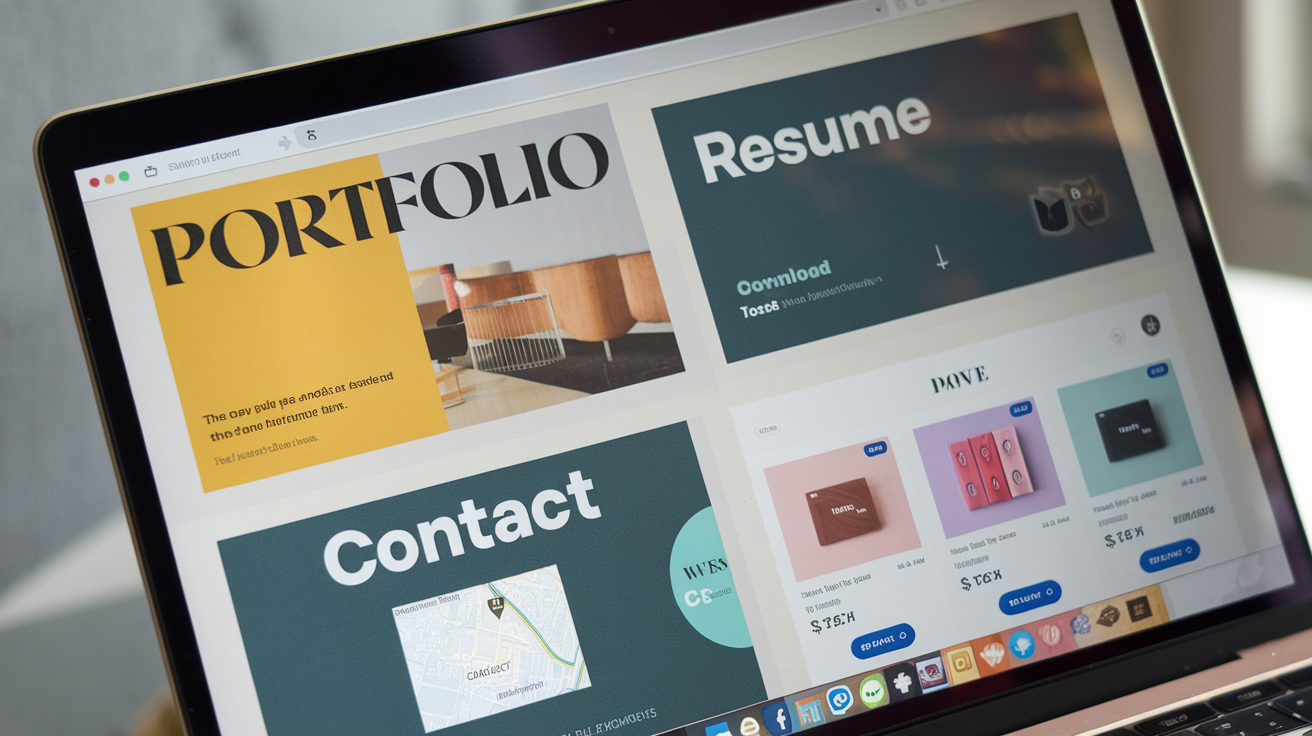
A close-up view of a website portfolio and contact page designed to showcase brand identity and project work effectively.
Each website type serves a different purpose and requires specific features. Knowing the type of website that aligns with your business objectives will help you communicate your needs to a web design agency effectively.
- E-commerce Websites: Designed for businesses that sell products or services online, e-commerce sites feature product listings, shopping carts, and secure payment gateways. Given the competitive nature of e-commerce, elements like SEO optimization, fast load times, and easy navigation are essential.
- Portfolio Websites: Ideal for creative professionals like designers, writers, or photographers, these sites prioritize visual appeal and navigation. They typically feature galleries, project pages, and client testimonials, showcasing the creator’s skills and previous work.
- Blogs: Blogs are excellent for businesses that want to share information, build an audience, or establish thought leadership in a niche. Built around a content management system (CMS), these sites require features that allow for SEO optimization and easy content updates.
- Informational Websites: Primarily designed to provide users with details about a business, service, or product, informational sites suit industries like law, healthcare, or local services. They generally include sections like “About Us,” “Services,” and “Contact,” focusing on accessible, concise information.
- Subscription or Membership Websites: If you offer exclusive content or services to members, a subscription-based model is ideal. These sites need user authentication, secure payment systems, and a well-organized content structure.
Choosing the right website type will ensure your site meets its intended purpose and provides users with an optimal experience. For further guidance, our article on Things to Keep in Mind While Designing a Website for Your Startup can provide additional insights.
Setting Your Budget
Budget considerations are a critical factor in web design. The cost of a website can vary greatly, influenced by complexity, the level of customization, and the web design company’s expertise. Here’s an overview of average costs for different types of websites in 2024:
- Basic Informational Website: Small businesses needing a simple website with a few pages (e.g., “Home,” “About,” “Contact”) may spend between $2,000 and $10,000. This covers mobile optimization, basic SEO, and easy navigation.
- E-commerce Website: Due to the added complexity of product pages, secure checkout, and payment processing, these sites can range from $5,000 to $50,000. Additional features, like customer reviews or shipping calculators, can impact cost.
- Custom Portfolio Website: If your brand requires a highly personalized design and interactive features, a custom portfolio website typically costs between $5,000 and $30,000, depending on specific design elements and customizations.
- Subscription or Membership Websites: Often more costly due to required security measures and user authentication, these sites can cost anywhere from $10,000 to $60,000 based on customization and member-exclusive content options.
- Using Website Builders or WordPress: For those with smaller budgets or a preference for DIY options, website builders like Wix or Squarespace cost between $7 to $500 monthly, depending on features. Building on WordPress with basic plugins costs $40 to $800 upfront, with additional expenses for premium themes and plugins.
When setting your budget, consider not only the initial design cost but also ongoing maintenance and potential future upgrades. While it might be tempting to minimize expenses, a well-designed website is a long-term investment that can enhance user experience, boost conversions, and support business growth.
Taking the time to clarify your website goals, understand the type of site you need, and establish a realistic budget will set you up for success as you proceed with selecting a web design partner.
Step 2: Review Their Portfolio and Past Work
Evaluating a web design company’s portfolio is one of the most effective ways to gauge its capabilities, style, and experience. A portfolio reveals not only the quality of the work but also the variety and scope of projects they’ve handled. Here’s a step-by-step approach to assessing a portfolio and the kinds of projects that signal a design company’s true expertise.
What to Look for in a Portfolio
- Design Style and Aesthetic
Every brand has a unique style, and your website’s design should align with your brand identity and resonate with your target audience. When reviewing portfolios, look at how well the design elements fit the brand. For example, do they work with clean, minimalist designs, or do they lean toward vibrant, high-energy styles? Make sure their past work aligns with the aesthetic you envision for your site. Consistency in a company’s portfolio can be a good sign of a strong design style, but versatility is equally important. - User Experience (UX)
A visually appealing website is great, but it also needs to be functional and easy to navigate. Examine the UX design in their portfolio, particularly if you’re viewing an interactive or complex site, such as an e-commerce store. Look for user-friendly layouts, clear calls-to-action, and smooth navigation paths. Research indicates that 88% of online consumers are less likely to return to a website after a bad user experience (source: HubSpot), so it’s essential that the design company demonstrates a strong UX focus. - Industry Relevance
Some industries have specific design needs—such as robust product filters for e-commerce, gallery features for portfolios, or user-friendly information hubs for resource sites. If the design company has experience in your industry, it could be a major advantage. Look for any similar projects in their portfolio to get a sense of how well they understand your market’s unique needs. - Website Functionality
For businesses that require specific features, such as booking systems, client portals, or e-commerce capabilities, make sure the design company has demonstrated experience with these functionalities. Review how well their past sites function, paying attention to elements like loading speed, mobile responsiveness, and multimedia integrations. A quality web design company will prioritize performance across devices, ensuring a smooth experience for users on any platform.
Case Studies and Client Success Stories
While portfolios offer a quick visual overview, case studies and client success stories provide a deeper insight into the design company’s approach, problem-solving skills, and the results they deliver. Case studies are particularly valuable for understanding the real impact of a web design project. Here are a few things to look for:
- Problem-Solving and Creativity
Case studies often highlight a specific challenge or goal that the client needed to address. Look for examples where the company demonstrated creative problem-solving or innovation to meet these challenges. For instance, if a client needed a unique feature or faced a specific branding challenge, the web design company’s solution can reveal their adaptability and ability to deliver on unique demands. - Measurable Outcomes
A strong case study includes data showing the impact of the redesign. Did the new website improve user engagement, boost conversion rates, or reduce bounce rates? Concrete numbers, such as “a 30% increase in conversions” or “a 20% reduction in load time,” give you a clear idea of how the company’s work impacts real business outcomes. For more insights into the power of measurable outcomes in branding, see our article on What Makes Online Branding Effective. - Adaptability Across Industries
If the web design company has handled projects across different industries, it’s a sign of their versatility and understanding of diverse audiences. This adaptability can be particularly useful if your brand requires a unique or less common design approach.
Questions to Ask About Past Projects
To gain even more insight, don’t hesitate to ask direct questions during consultations. Consider these key factors:
- What was your role in the project?
Web design companies sometimes showcase work done in collaboration with other agencies or third-party contractors. Confirming their exact role helps you understand their core strengths and how hands-on they were in the project. - What was the outcome of the project?
Ask about the specific results achieved post-launch. A reputable web design company should be able to provide statistics or anecdotal evidence that their design helped improve customer engagement, sales, or brand recognition. - Can I speak with past clients?
Testimonials are great, but direct conversations with previous clients give you a more authentic sense of the company’s communication style, project management skills, and the overall experience they provide.
When reviewing a portfolio and case studies, remember that you’re not just evaluating design skills. You’re assessing the company’s ability to solve problems, create intuitive and beautiful user experiences, and produce real, measurable results. Following this step will set you on the path to finding a web design company that can bring your vision to life in a way that resonates with your audience and drives tangible business outcomes.
Step 3: Check Client Reviews and Testimonials
A close-up of colorful post-it notes on glass reflecting client feedback, symbolizing diverse perspectives and satisfaction from working with a website design agency.
Evaluating client reviews and testimonials is crucial when choosing a reliable web design agency. Platforms like GoodFirms provide valuable insights into an agency’s reliability, quality of work, communication style, and problem-solving abilities. Here’s how to approach this step effectively:
Where to Find Authentic Reviews
- Google and Yelp: These platforms are accessible and commonly used for local and international business reviews. Google Reviews is particularly useful as it often contains detailed feedback across various industries, highlighting the agency’s strengths and weaknesses. Yelp, especially for local agencies, can provide insights into customer service, reliability, and responsiveness.
- Clutch.co: For professional services, Clutch is a reliable source offering in-depth reviews, project details, and client feedback. It’s particularly beneficial because reviews on Clutch often provide specifics about the project, such as budget, timelines, and results. This level of detail allows you to assess the agency’s effectiveness and project management capabilities.
- Social Media and LinkedIn: Many web design agencies actively engage on social platforms like LinkedIn, Facebook, and Instagram, where clients might leave comments or feedback. While these might be less comprehensive than Google or Clutch reviews, they can provide a quick snapshot of client satisfaction and how the agency handles public feedback.
Reading Between the Lines
While the number of positive reviews is important, quality matters more than quantity. Here are tips to identify genuine, relevant insights:
- Consistency: Look for patterns in the feedback. If multiple reviews highlight issues like missed deadlines or poor communication, these could be red flags. Similarly, consistent praise for design quality, creativity, or professionalism indicates a reputable agency.
- Response to Feedback: A company’s response to reviews, especially negative ones, shows its commitment to client satisfaction. If an agency handles criticism professionally and addresses concerns openly, it’s a good sign of accountability and customer focus.
- Detail-Rich Reviews: Reviews that describe specific aspects of the project, such as technical challenges or design preferences, are often more genuine. Overly generic language or sudden bursts of five-star reviews may signal fake reviews.
Questions to Ask Based on Reviews
Once you’ve analyzed reviews, bring relevant insights into your consultation:
- How do you ensure effective communication throughout the project? If communication issues appeared in reviews, ask about their communication protocols and transparency with clients.
- What’s your process for handling revisions or adjustments? If responsiveness was a concern in reviews, ask about how they manage feedback loops and revisions during the design phases.
- Can I speak with a past client? If reviews were mixed, request references or testimonials directly from the agency. This will give you an opportunity to hear an unbiased perspective.
Checking reviews and testimonials carefully gives you an inside look into the agency’s working style and track record, helping you make a more informed choice.
Step 4: Evaluate Their Communication and Project Management Skills
Effective communication and organized project management are key indicators of a successful web design partnership. Without a clear system for communication and progress tracking, even the most skilled agencies can struggle to meet client expectations. When assessing a web design agency’s communication style and project management skills, here’s what to look for:
Why Clear Communication Matters
In any web design project, seamless communication can make the difference between success and frustration. Good agencies understand this and prioritize transparency from the outset, keeping you informed on progress, timelines, and any potential issues. Look for an agency that:
- Sets Expectations Early: They should outline how often they’ll communicate, preferred communication channels (like email, Slack, or Zoom), and how updates will be delivered. For example, do they offer regular check-ins or scheduled updates?
- Responds Promptly: Pay attention to how quickly they respond to your initial inquiries. Timely responses indicate an agency’s commitment to open communication. Slow or inconsistent replies can be a warning sign of future communication gaps, which may lead to misalignment or missed deadlines.
Signs of Effective Project Management
Project management involves tracking progress, ensuring deadlines are met, and coordinating feedback. Look for agencies that use project management tools and have a structured workflow:
- Use of Project Management Tools: Agencies that utilize tools like Asana, Trello, or Monday.com are more likely to stay organized and meet deadlines. These platforms allow for task assignment, timeline visualization, and status updates, ensuring you have visibility into each phase of the project. For instance, a reliable agency might share a project board with you, so you can track progress in real time.
- Defined Processes and Timelines: A professional agency will walk you through their project phases, from initial design to final development. Each phase should have clear milestones, such as design drafts, wireframes, and content integration. Knowing their process helps you understand when to expect deliverables and when you’ll need to provide feedback.
- Regular Updates and Milestones: Regular updates keep the project on track. An experienced agency will schedule frequent check-ins to discuss completed tasks and any adjustments required. They should also set realistic milestones with specific deadlines, ensuring the project stays within the agreed timeline.
Questions to Ask During Initial Meetings
When meeting with potential agencies, ask questions that clarify their communication style and project management approach:
- How do you handle project timelines and delays? A good agency will outline their approach to handling unexpected delays, whether it’s adjusting timelines or re-prioritizing tasks. This reflects their dedication to openness and responsibility.
- Who will be our main point of contact? It’s important to know who your primary contact will be throughout the project. Ideally, this should be someone with in-depth knowledge of the project and authority to make decisions or address issues as they arise.
- How do you gather and implement client feedback? Understand how the agency incorporates your input. Ask if they allocate specific times for feedback or offer flexible communication throughout the project. Agencies that actively involve clients in the process are more likely to deliver a website that aligns with your vision.
- What project management tools do you use? Ask about the tools they rely on to manage timelines, track tasks, and facilitate communication. If they use platforms like Slack for messaging or Google Drive for document sharing, ensure you’re comfortable with their setup and can access necessary information.
- How do you handle changes to the project scope? Changes can arise unexpectedly. Knowing how the agency addresses scope adjustments, whether through formal documentation or flexible revisions, can prevent misunderstandings and additional costs.
The Importance of a Reliable Partnership
In the end, you want an agency that values partnership. A strong communication strategy paired with organized project management helps ensure that your website project flows smoothly, meeting both your expectations and deadlines. By focusing on these aspects, you’ll be able to identify an agency that’s not just building a website but is invested in your long-term success.

The post The Ultimate Guide to Choosing the Right Website Design Agency appeared first on Best Media Agency.
]]>