In today’s digital-first world, having a strong online presence isn’t just an advantage—it’s a necessity. According to research, 97% of consumers search online when looking for local businesses. Despite this, many small business owners hesitate to build a website, often worrying about cost, time, or technical challenges.
The good news? You don’t need coding skills or a big budget to create a professional, high-performing website. With the best website builder for small business, even beginners can design a visually appealing, user-friendly site that attracts customers, builds credibility, and drives growth.
However, choosing the right website builder is key. Whether you’re launching an e-commerce store, showcasing a portfolio, or providing essential business information, the right platform will empower you to succeed without stress. If you’re unsure where to start, check out The Ultimate Guide to Choosing the Right Website Design Agency for expert insights on selecting the ideal web solution.
This guide will walk you through everything you need to know about finding and using the best website builder for your small business—so you can start for free today and take your brand to the next level!
Why Small Businesses Need a Website
In today’s hyper-connected world, having a website is no longer optional—it’s essential. For small businesses, a website serves as more than just an online presence; it’s a powerful tool that can drive growth, build trust, and level the playing field against larger competitors. Let’s explore why investing in the website for your small business is a smart move for any entrepreneur.
1. Reach More Customers
A website allows you to reach customers far beyond your local area. Whether you’re selling products or offering services, a well-designed site makes it easy for potential clients to find you 24/7. According to a report by Digital Silk, 81% of consumers conduct online research before making a purchase. Imagine the opportunities you’re missing out on if your business isn’t online!
Small Business Global Website Data
2. Build Credibility and Trust
Consumers are more likely to trust a business with a professional-looking website. A clean, functional site signals that you’re legitimate and committed to delivering quality. On the flip side, not having a website—or having a poorly designed one—can make your business appear unreliable or outdated. With the help of website builders, you can create a polished, trustworthy site even on a tight budget.
3. Compete with Larger Brands
Small businesses often struggle to compete with big-name brands that have massive marketing budgets. However, a well-optimized website can help you stand out. By leveraging features like e-commerce tools, SEO optimization, and social media integration, you can attract and retain customers who value personalized service and unique offerings.
4. Showcase Your Products and Services
Your website acts as a digital storefront where you can display everything your business has to offer. From high-quality images of your products to detailed descriptions of your services, a website gives you complete control over how you present your brand. Plus, with the right website builder, you can easily update your content whenever needed to keep things fresh and relevant.
5. Cost-Effective Marketing Tool
Traditional marketing methods like print ads or billboards can be expensive and difficult to track. A website, on the other hand, provides measurable results at a fraction of the cost. You can use analytics tools to monitor traffic, track conversions, and refine your strategy—all without breaking the bank. The best website builder for small business will include these tools, making it easier than ever to optimize your efforts.
6. Adapt to Changing Consumer Behavior
Consumer habits are shifting rapidly, with more people shopping and researching online than ever before. In fact, studies show that 81% of retail shoppers conduct online research before buying. If your business isn’t visible online, you risk losing potential customers to competitors who are. A website ensures you stay relevant and accessible to modern buyers.
Investing in a website is not just about keeping up with the times; it’s about setting your small business up for long-term success. By establishing a strong online presence, you can reach more customers, build credibility, and effectively compete in today’s digital marketplace.
Key Features to Look for in the Best Website Builder for Small Business
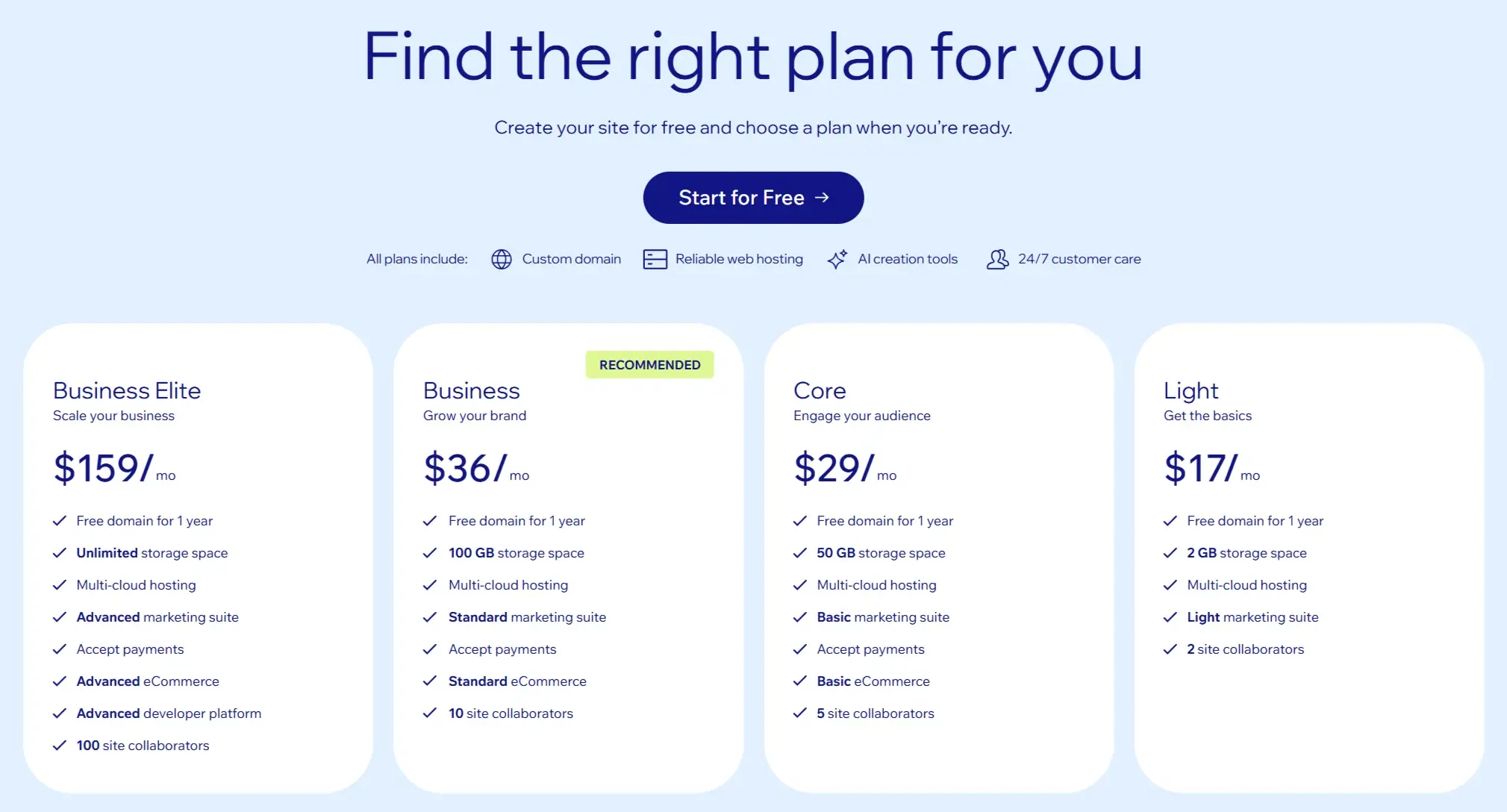
2. Shopify – Best for E-Commerce Businesses
3. Squarespace – Best for Beautiful & Professional Designs
4. WordPress.com – Best for Flexibility & Blogging
5. Weebly – Best Budget-Friendly Option for Beginners
Final Thoughts
Each of these website builders offers unique strengths based on your business goals:
- Choose Wix for customization and ease of use.
- Go with Shopify if you’re selling products online.
- Pick Squarespace for a visually stunning website.
- Use WordPress.com for blogging and scalability.
- Opt for Weebly if you need a simple, budget-friendly solution.
By evaluating your needs and budget, you can select the best website builder for your small business and start growing online!
The post The Best Website Builder For Small Business: Start Free Today! appeared first on Best Media Agency.
]]>Whether you’re launching a startup, sharing a personal project, or building a portfolio, this guide will walk you through each step. From choosing the right platform to designing a user-friendly layout, we’ll explore everything you need to get started without any technical background.
By the end, you’ll have the knowledge and confidence to build a functional, professional-looking website that reflects your unique style and meets your goals—all without writing a single line of code.
Why Building Your Own Website is Beneficial
A strong online presence isn’t just a plus—it’s essential. Building your own website gives you control over how you represent your brand or project, allowing you to connect directly with your audience on your own terms. Whether you’re a startup founder, freelancer, or creative, a website provides an effective platform to showcase your work, sell products, or simply share your vision with the world.
Benefits of Building Your Own Website
- Cost Savings: Hiring a professional web developer can be costly, especially for startups or small projects. By creating your own website, you save significantly on setup costs while achieving a result that meets your goals.
- Creative Control: When you design your website, you decide on the look, feel, and overall experience. Every design choice—from layout to color scheme—reflects your unique brand identity, offering a personalized touch that may be harder to achieve with pre-packaged services.
- Flexibility and Independence: Building and managing your website lets you update content as needed, anytime. Whether you’re adding new products, updating a blog, or refreshing design elements, this flexibility is invaluable, especially for fast-evolving startups.
For more insights on setting a strong online foundation, check out our article on 10 Essential Tips for Building a Website for Startups.
Planning Your Website’s Purpose, Audience, and Content
Before diving into design or choosing a platform, it’s essential to start with a clear plan. Defining your website’s purpose, identifying your target audience, and mapping out essential content will ensure that your website is structured and engaging from the start.
Define Your Website’s Purpose
Ask yourself: What is the primary purpose of my website? Different types of websites serve different goals, so being clear on your objectives will help you prioritize features and design elements. Here are a few common website purposes:
- Portfolio: Perfect for freelancers, designers, writers, or anyone showcasing their work. This type of site emphasizes visual appeal and provides examples of past projects.
- E-commerce: If you’re selling products or services, your website will need a user-friendly shopping experience with secure payment options.
- Informational: Often used for blogs, educational platforms, or service-based businesses, these sites prioritize content that educates, informs, or engages visitors.
Identify Your Target Audience
Knowing who will visit your site is essential. Are you aiming to reach potential clients, customers, or collaborators? Define your audience’s demographics, interests, and online behavior. This information will guide design decisions, language tone, and functionality, ensuring that your website resonates with the people who matter most.
Create a Content Blueprint
Once you know your website’s purpose and target audience, it’s time to outline the core sections that will bring your vision to life. Here are some essential pages and elements to consider:
- Home Page: Your first impression, with a clear message and an inviting design.
- About: Share your brand story, mission, and values to build trust with visitors.
- Services/Products: Detail what you offer, using clear descriptions and visuals.
- Contact: Make it easy for visitors to reach you with a dedicated contact form or page.
- Blog: Regular content updates keep your site fresh, improve SEO, and provide value to visitors.
For a deeper understanding of how to maintain brand consistency across these sections, check out Why Brand Identity and Brand Guidelines Matter for Success.
Planning with a solid purpose, a defined audience, and a thoughtful content structure will make the actual building of your website smoother and more effective, setting you up for success from the beginning.
Choosing a Platform – No Coding Required!
If you’re ready to build your own website without touching a single line of code, you’re in luck! Several beginner-friendly platforms make it possible to create a professional and functional website on your own. Let’s take a closer look at the top options, factors to consider, and some helpful tips to get started.
Best Platforms for No-Code Website Building
These platforms offer a range of tools and templates that make it easy to create your own website:
- Wix: Known for its drag-and-drop interface, Wix is ideal for beginners looking for simplicity. It provides an extensive library of templates, and you can customize each element with just a few clicks.
- WordPress: While slightly more advanced, WordPress offers unmatched flexibility and scalability. With numerous plugins and themes, WordPress can grow alongside your business, adapting to changing needs and industry trends.
- Squarespace: Popular for its sleek, designer-quality templates, Squarespace works well for portfolios, personal brands, and small businesses. It’s intuitive and visually oriented, making it an excellent choice for those focused on aesthetics.
Factors to Consider When Choosing a Platform
Choosing the right platform depends on several factors, including ease of use, customization options, SEO-friendliness, and scalability. Here’s what to consider:
- Ease of Use: If you’re new to web development, choose a platform that’s intuitive and doesn’t require much technical know-how. Both Wix and Squarespace excel in ease of use, with straightforward drag-and-drop editors that allow you to visually arrange elements.
- Customization Options: For a unique look, you’ll want a platform that offers flexibility in design and layout. WordPress, in particular, offers thousands of themes and plugins, giving you almost limitless customization options.
- SEO-Friendliness: Good SEO is crucial for driving traffic to your website. Platforms like WordPress are highly customizable for SEO, allowing you to optimize your site to rank well on search engines. If SEO is a priority, check out this Moz guide on optimizing your site to learn more about the benefits of choosing an SEO-friendly platform.
- Scalability: Your website needs may grow over time. WordPress is often favored by those planning for long-term scalability, as it supports everything from basic blogs to complex e-commerce setups. However, if you’re starting with a smaller budget and simpler needs, Wix and Squarespace also offer scalable features, albeit with some limitations compared to WordPress.
Tip for Beginners: Match Platforms to Your Needs
Each platform has its strengths, so choose one that aligns with your goals and comfort level:
- If you’re looking for simplicity: Wix is a solid choice with plenty of templates and an easy-to-use editor.
- For flexibility and growth potential: WordPress is your best bet, especially if you want to build your own website with plenty of customization options.
- If aesthetics are a priority: Squarespace is ideal for creatives or businesses focusing on visual appeal.
Selecting the right platform is a crucial step when you create your own website, as it influences everything from design capabilities to SEO potential. With these user-friendly platforms, you’ll have the tools you need to create a polished and professional website that fits your vision and goals.
How to Make Your Own Website – Step-by-Step Guide

Focused on building a website from scratch, this beginner is diving into the essentials of web design.
Now that you’ve chosen your platform, it’s time to dive into the essential steps to build your own website. This section breaks down each step to ensure a smooth and efficient process. By following these steps, you’ll be on your way to understanding how to make your own website that’s both professional and user-friendly.
Step 1: Choose a Domain Name
A domain name is your website’s unique address on the web. Here are some tips for selecting a domain name that best represents your brand:
- Keep it Simple: Choose a name that’s easy to spell, pronounce, and remember.
- Reflect Your Brand: The domain name should align with your business name or reflect your industry.
- Consider Extensions: While .com is the most popular, consider others like .net or .io if your preferred .com is taken.
Once you’ve chosen a name, you can check its availability on sites like Namecheap or GoDaddy and purchase it directly.
Step 2: Secure Hosting
Hosting is the service that keeps your website accessible online. When selecting hosting, consider factors like reliability, speed, and customer support. Here are a few popular types:
- Shared Hosting: Affordable but shares resources with other websites. Suitable for small startups or personal projects.
- VPS Hosting: A virtual private server offering dedicated resources, suitable for websites with growing traffic.
- Managed WordPress Hosting: If you’re using WordPress, managed hosting handles maintenance tasks, like updates and security.
Platforms like Bluehost, SiteGround, and WP Engine are popular choices. Take some time to explore their offerings to find one that suits your budget and needs.
Step 3: Install and Set Up Platform
With your domain and hosting ready, it’s time to set up your website platform. Here’s a quick overview for the top platforms:
- WordPress: Most hosting providers offer one-click installation for WordPress. Once installed, you’ll have access to the WordPress dashboard, where you can start building your site.
- Wix: Wix simplifies the setup process, guiding you through creating an account and choosing a template directly on their website.
- Squarespace: Similar to Wix, Squarespace offers an easy onboarding process that lets you choose a design and add content immediately.
Each platform has its unique setup, so follow the specific prompts, and you’ll be up and running in no time.
Step 4: Select a Template or Theme
Your website’s template or theme sets the tone for your brand’s online presence. Here’s how to choose a theme that aligns with your vision:
- Stay Aligned with Your Brand: Whether you’re building a professional or playful website, choose a theme that reflects this.
- Prioritize Simplicity and Usability: Make sure the theme has a clean layout with clear navigation.
- Check for Mobile-Responsiveness: Many visitors access websites from mobile devices, so choose a responsive theme.
For those considering more tailored design assistance, explore The Ultimate Guide to Choosing the Right Website Design Agency to find expert design support that matches your brand’s needs.
Step 5: Add Essential Content
To create your own website, focus on adding high-quality content to essential pages:
- Homepage: Offer a brief introduction, your unique value proposition, and clear calls-to-action.
- About Page: Share your brand’s story, mission, and values to connect with visitors.
- Services/Products Page: Describe your offerings, including features, benefits, and pricing.
- Contact Page: Make it easy for users to get in touch by providing an email, phone number, or contact form.
Step 6: Optimize for SEO and Launch
Once your site is designed and populated with content, optimizing it for search engines is key to attracting visitors:
- Add Relevant Keywords: Place target keywords naturally within your titles, meta descriptions, and headings.
- Optimize Images: Reduce image file sizes to enhance loading speed, and add alt text for accessibility.
- Create Internal Links: Link to related pages within your site to guide visitors and improve SEO. For instance, check out our guide on startup website essentials.
When everything’s set, hit “publish” and celebrate—you’ve just completed how to make your own website! By following these steps, you’re equipped to build your own website that’s optimized, user-friendly, and ready to impress.
Designing Your Website’s Layout and Visuals
Now that you’ve got the structure in place, let’s focus on the visual design and layout—core elements that will shape how users experience your website. When you build your own website, your design should reflect your brand’s identity while keeping user experience (UX) at the forefront. Here’s how to create your own website with an effective design that leaves a lasting impression.
Core Elements of Design
A cohesive and well-thought-out design helps communicate professionalism and build trust with visitors. Here are some essentials to consider:
- Layout: Choose a layout that feels clean and uncluttered. Keep key information above the fold (the portion visible without scrolling) to capture attention immediately.
- Color Scheme: Your color choices should reflect your brand’s personality. A well-chosen color palette can evoke emotions, build brand recognition, and make your site visually engaging.
- Fonts: Fonts are also a significant part of your brand’s image. Select fonts that are easy to read and align with your brand’s tone, whether that’s playful, professional, or elegant.
- Images and Visuals: High-quality images and graphics contribute to an engaging design. Use visuals that are relevant to your content and represent your brand accurately.
User Experience (UX) Tips
A successful website isn’t just visually appealing; it’s also user-friendly. Good UX design will guide visitors seamlessly through your site, helping them find what they need with minimal effort. Here are some UX principles to keep in mind as you create your own website:
- Intuitive Navigation: Use a clear and straightforward menu structure. Visitors should be able to find key pages, like About, Services, and Contact, easily.
- Mobile Responsiveness: With the majority of users browsing from mobile devices, ensuring your site adapts to different screen sizes is essential. A mobile-responsive design enhances user engagement and improves your search engine rankings.
- Clear Calls-to-Action (CTAs): Strategically place CTAs on each page to encourage actions, like “Contact Us,” “Learn More,” or “Get Started.” These buttons guide visitors and make it easy for them to engage with your business.
Brand Consistency
Consistency across design elements, such as colors, fonts, and logos, strengthens your brand’s identity and makes your site memorable. Each visual element should align with your branding to reinforce recognition and professionalism. For a deeper dive into creating a cohesive brand, explore What Makes Online Branding Effective.
Here’s how to maintain brand consistency as you build your own website:
- Logos: Place your logo in prominent areas, like the header or footer, to reinforce brand visibility.
- Color Palette: Stick to a consistent color palette across all pages to establish a unified look. This also contributes to brand recall for returning visitors.
- Typography: Use the same fonts throughout the site. Consistent typography creates a polished, cohesive look that aligns with your brand’s tone and message.
By incorporating these design principles, you’ll create your own website that not only looks great but also offers a seamless user experience. A well-designed site fosters trust and engagement, making visitors more likely to stay, explore, and ultimately take action.
Crafting Content That Engages and Converts
As you build your own website, one of the most critical steps is crafting content that speaks directly to your audience and encourages them to take action. Effective content goes beyond simple information; it tells your brand story, builds trust, and provides valuable insights that keep visitors engaged. Here’s how to create your own website content that captivates and converts.
Content Essentials
When it comes to website content, certain pages are essential for presenting a complete picture of your brand. Here are the must-have pages and what they should include:
- Homepage: This is often the first page visitors see, so make a strong impression. Highlight your unique value proposition, showcase key offerings, and include clear calls-to-action (CTAs).
- About Page: Tell your brand’s story. Share your mission, vision, and values to help visitors connect with your purpose and personality.
- Services or Products Page: Detail your offerings in a way that addresses customers’ needs. Be clear about benefits and features, and use concise descriptions.
- Contact Page: Make it easy for visitors to reach out. Include a contact form, email, phone number, and possibly a map if you have a physical location.
SEO Basics
To make your website visible in search results, you’ll need some foundational SEO knowledge. Fortunately, SEO can be beginner-friendly when broken down into manageable steps, even for those with no coding background.
- Keywords: Use relevant keywords naturally throughout your content. This helps search engines understand your site’s topics and rank it for relevant searches.
- Meta Descriptions: Write concise, descriptive summaries for each page, and include your primary keyword. Meta descriptions provide a snapshot of your content in search results, encouraging clicks.
- Image Optimization: Compress images for faster loading, and add descriptive alt text to help search engines understand what each image represents.
For more in-depth guidance on SEO strategies, check out this external resource from Ahrefs that covers essential SEO practices.
Tone and Messaging
The tone of your website’s content should reflect your brand’s personality and speak directly to your audience. Consistent tone and messaging enhance brand recognition and help build trust with visitors.
- Identify Your Brand Voice: Is your brand friendly, professional, or playful? Establishing a consistent voice will guide your content creation and help you connect with your target audience.
- Stay Consistent: Ensure that every piece of content on your site maintains the same tone, from blog posts to product descriptions. Consistency reinforces your brand’s identity.
- Engaging CTAs: Each page should have a clear CTA. Phrases like “Learn More,” “Get Started,” or “Contact Us” prompt readers to take the next step in their journey with your brand.
By following these content principles, you’ll create your own website with information that not only engages visitors but also converts them into loyal customers. Whether it’s your homepage or a product description, well-crafted content is essential to building trust, enhancing user experience, and achieving your site’s goals.
Adding Essential Features Without Coding
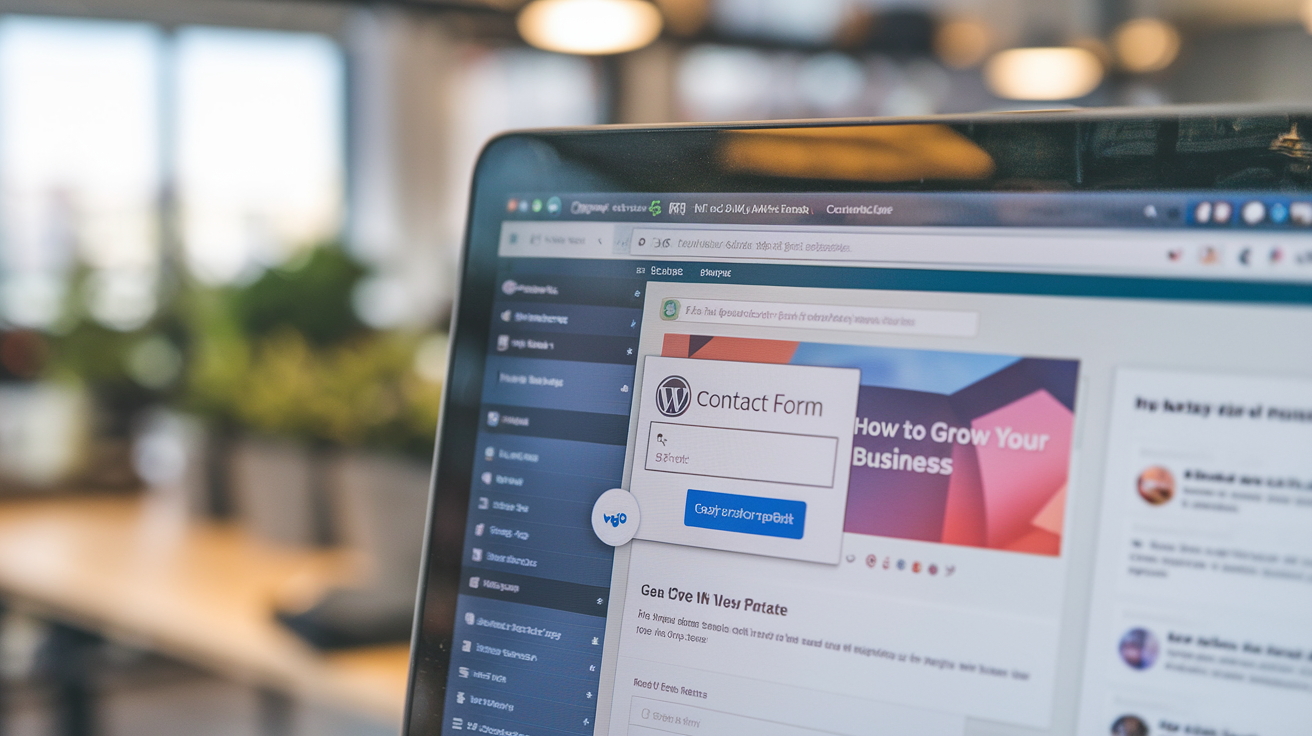
A WordPress contact form setup for increased user interaction and lead generation, essential for businesses looking to grow online.
Once you build your own website with a solid foundation and engaging content, adding essential features can elevate its functionality, user experience, and search visibility. The best part? Many of these enhancements require no coding skills and can be implemented using plugins, add-ons, or built-in features on popular platforms. Here’s how to create your own website with essential features that optimize usability, boost security, and enhance SEO.
Key Functionalities to Enhance User Experience
A website’s functionality directly impacts user satisfaction. With plugins and add-ons, you can easily introduce features that keep users engaged and encourage interaction.
- Contact Forms: Make it simple for visitors to reach out by adding a contact form to your site. Many platforms have form-builder plugins, like WPForms on WordPress, that allow you to customize forms without any code.
- Image Galleries and Media: Showcase your work, products, or projects with visually appealing galleries. Tools like NextGEN Gallery for WordPress allow you to add image galleries and slideshows.
- Social Media Integration: Integrating social media icons and share buttons allows visitors to engage with your brand across multiple platforms. This can be done using simple plugins, helping you extend your reach.
Beginner-Friendly SEO Plugins
Effective search engine optimization is crucial for driving organic traffic, but it doesn’t have to be complicated. Using SEO plugins designed for beginners, you can optimize your website for search engines with minimal effort.
- Yoast SEO (WordPress): This popular plugin makes SEO simple by guiding you through key elements like meta descriptions, keywords, and readability scores. Yoast provides feedback on each page’s SEO and helps you follow best practices, so you rank higher in search results.
- Rank Math (WordPress): Another beginner-friendly option, Rank Math, offers advanced features like keyword tracking and SEO analysis while remaining user-friendly. Both plugins support how to make your own website visible to a broader audience by optimizing each page.
Security and Performance Enhancements
Maintaining website security and performance is essential to protect user data and ensure a smooth experience. Here are a few ways to boost both without any coding.
- SSL Certificates: Secure Socket Layer (SSL) certificates are essential for encrypting data and building user trust. Most platforms or hosting providers offer easy SSL installation, often included in their packages, adding the “https” to your URL for a secure browsing experience.
- Caching and Speed Optimization: Fast load times are critical for retaining visitors. Plugins like WP Super Cache or Autoptimize for WordPress help reduce load times by caching your pages and optimizing code.
- Regular Backups: Protect your content by regularly backing up your site. Plugins like UpdraftPlus automatically save your site data, so you can restore it if issues arise.
Adding these essential features ensures your website is fully functional, user-friendly, and optimized for search engines. By using plugins and built-in platform tools, you can create your own website that performs well, looks professional, and provides a secure experience for your visitors—all without touching a line of code.
With the right mix of plugins, you’ll set up a website that not only meets your goals but also keeps users engaged and satisfied.
Testing and Launching Your Website
After all the hard work of creating content, designing layouts, and adding features, it’s time to test and launch your website. Proper testing ensures your site delivers a seamless user experience across all devices and browsers, which is essential to build your own website successfully. Here’s how to wrap up your project and launch with confidence.
Testing Tips: Ensuring Device and Browser Compatibility
As you create your own website, it’s vital to verify that it functions smoothly for all users, regardless of device or browser. Here are some essential testing steps:
- Cross-Device Testing: Ensure your website is mobile-friendly by testing it on various devices, such as smartphones, tablets, and desktops. Most website platforms offer previews for different screen sizes, but testing on actual devices is recommended for accuracy.
- Browser Compatibility: Test your website on major browsers, including Chrome, Firefox, Safari, and Edge. Differences in browser rendering can sometimes affect the appearance or functionality of certain elements.
- Navigation and Links: Go through each page to confirm that all links and menu items work as intended. Broken links or missing buttons can frustrate visitors, so double-check all internal and external links.
Pre-Launch Checklist: Final Touches for a Smooth Launch
Before going live, run through this checklist to make sure your website is fully optimized and polished:
- Page Load Speed: Ensure fast loading times by optimizing images and minimizing large files. Speed can impact both SEO and user experience, so it’s crucial to address any delays.
- SEO Basics: Review each page’s SEO settings. Check that all meta descriptions, keywords, and alt text are in place and optimized. Using SEO plugins can streamline this process and help boost your site’s visibility.
- Readability and Spelling: Go over your content to confirm it’s clear, concise, and free of grammatical errors. It’s easy to overlook typos, so consider using proofreading tools or asking a colleague to review your content.
- SSL and Security: Double-check that your SSL certificate is active, ensuring your website is secure for visitors.
Launching and Promoting Your Website
Once testing is complete, it’s time to launch. A well-promoted launch can generate excitement and attract your target audience to your new website.
- Social Media Sharing: Announce your website’s launch on social media platforms like Facebook, LinkedIn, and Instagram. Include a compelling description and a clear link to drive visitors to your site.
- Email Newsletter: Send an email to your subscribers, introducing them to your new website. Highlight what they can expect to find, such as helpful resources, new products, or an exciting blog section.
- Collaborate and Network: Reach out to industry influencers or partners who may be interested in sharing your website with their followers. Networking is a powerful way to expand your reach and build credibility.
Completing these steps prepares your site for a successful launch, ensuring a smooth experience for your audience. Testing thoroughly and promoting effectively are key to making sure all the effort to build your own website translates into a positive, impactful launch.
Now that you know how to make your own website and have taken all necessary steps for a successful launch, you’re ready to share your brand with the world. Embrace this final phase with enthusiasm, and watch your website connect with new audiences and help you reach your goals.
Post-Launch Maintenance and Updates
After the excitement of launching, your work doesn’t end there. Regular maintenance and updates are essential to ensure your site remains secure, engaging, and functional. Once you build your own website, keeping it updated and performing optimally is crucial to sustain growth and retain visitors.
Importance of Regular Updates and Maintenance
Maintaining a website goes beyond its initial setup. When you create your own website, you’ll need to prioritize regular updates to keep it secure and relevant. Key aspects include:
- Security Checks: Regular updates help protect your site against potential security threats. Ensure that any plugins, themes, and platforms you use are updated promptly to guard against vulnerabilities.
- Backups: Set up regular backups so you can quickly recover your site if any issues arise. Many platforms and hosting providers offer automatic backup options, allowing you to safeguard your content without manual effort.
- Performance Optimization: Over time, images, plugins, and other elements can slow down your site. Regularly review page load times and optimize any large files or outdated plugins to keep your website running smoothly.
Keeping Content Fresh and Relevant
To engage your audience and maintain good search engine rankings, it’s important to update your website content periodically. Here’s how you can keep your site’s information valuable and up-to-date:
- Blog and Article Refresh: Keep your blog active by posting new content regularly. This can include industry updates, tutorials, or engaging stories that reflect your brand. If you create your own website with a blog section, frequent posts help boost SEO and engage returning visitors.
- Product or Service Updates: If your business evolves with new offerings, make sure to update your website to reflect these changes. This ensures that your visitors have accurate, up-to-date information.
- Content Revisions: Periodically review your core pages (like About, Services, and Contact) to ensure they accurately represent your brand’s vision and current goals. Small updates to your messaging can go a long way in keeping your website relevant and trustworthy.
Monitoring Performance with Analytics
Tracking your website’s performance helps you understand what’s working and where improvements can be made. For those who build your own website, understanding analytics is crucial to making data-driven decisions.
- Google Analytics: Install Google Analytics to monitor visitor data, such as traffic sources, user demographics, and popular pages. This tool provides insights into which content resonates most with your audience.
- User Behavior: Analytics can show you how visitors interact with your site, identifying pages where users may drop off or spend less time. Use this information to improve user experience and optimize poorly performing pages.
- SEO Performance: Track keyword rankings, bounce rates, and other SEO metrics to determine how well your site is performing in search engine results. This information can guide content updates and adjustments for improved SEO.
By implementing these post-launch practices, you’ll ensure that the work you put into how to make your own website continues to pay off. Regular updates, fresh content, and performance monitoring keep your site relevant and engaging, helping your website remain a strong asset as your brand grows.
DIY vs. Hiring a Web Development Company

Choosing between DIY and hiring a web development company can shape your online presence. Here’s what to consider for building your website.
When it comes to managing your website, you have two main options: maintaining a DIY approach or hiring a professional web development company. Deciding between the two depends on factors like your budget, goals, technical knowledge, and the scale at which you want to grow your site. Here’s a breakdown to help you understand when it’s best to build your own website and when professional help might be essential.
DIY Approach: The Pros and Cons
If you’ve opted to create your own website, you’re likely using beginner-friendly platforms like WordPress, Wix, or Squarespace. These platforms allow non-tech users to design functional websites without coding expertise. Here’s what to consider:
Pros of DIY:
- Cost-Effective: DIY platforms are often more budget-friendly, ideal for startups or personal projects with limited funds.
- Creative Control: With a DIY website, you can manage updates, design tweaks, and content at your own pace.
- Quick Launch: For simple websites, DIY platforms offer quick setup options, allowing you to build your own website and get online fast.
Cons of DIY:
- Limited Customization: While DIY builders are versatile, they may lack the advanced customization options required for complex features or scaling.
- Time-Consuming: If you’re handling everything solo, maintaining the site, managing updates, and troubleshooting can be time-consuming.
- Potential SEO and Performance Limitations: DIY platforms may not always provide robust SEO tools, which can affect your site’s performance and visibility.
Hiring a Web Development Company: When It’s the Right Choice
For certain projects, investing in a professional web development company can offer advantages that go beyond the DIY approach, especially if you’re aiming to grow your website in terms of functionality and reach. Here’s why hiring a professional can be beneficial:
Advantages of Hiring a Web Development Company:
- Customization and Scalability: If you’re looking for advanced features, complex integrations, or unique branding, an agency provides the expertise to bring that vision to life.
- SEO and Performance Optimization: Professionals can help with on-page and technical SEO, ensuring that your website ranks well on search engines and loads quickly. This is especially valuable if you want your site to compete effectively.
- Long-Term Support: Agencies often offer maintenance and support packages to handle regular updates, security checks, and troubleshooting, freeing up your time to focus on other aspects of your business.
When to Consider a Web Development Company:
- Scaling Beyond the Basics: If your website needs custom features, such as e-commerce capabilities or a membership portal, an agency has the resources and knowledge to implement these elements effectively.
- Building a Strong Brand Presence: A web development company can ensure your site aligns with your brand’s identity and long-term goals, making it a memorable and trusted platform.
- Time Constraints: If you’re short on time or lack technical skills, outsourcing to professionals can fast-track your project without compromising quality.
If you’re considering hiring an agency for added support, check out our article on Finding the Perfect Web Development Company for Your Startup to explore more about partnering with a professional team.
Making the Choice: DIY or Professional?
Choosing between DIY and hiring a web development company depends on your startup’s specific needs and future growth plans. Starting with a DIY approach is often sufficient for simple websites, allowing you to create your own website with limited upfront costs. However, as your business scales, a professional web development agency can take your site to the next level, adding features and functionality to meet evolving demands.
Ultimately, knowing how to make your own website is a valuable skill, but leveraging the expertise of professionals can help you create a powerful, scalable online presence that supports your business’s growth for years to come.
Conclusion
Building a website has never been easier, and for startups or personal projects, understanding how to make your own website with no coding skills can open up a world of opportunities. With today’s tools, you can create your own website that’s not only visually appealing but also functional and responsive.
Let’s recap the steps to build your own website:
- Define your goals and audience so your site speaks directly to your target visitors.
- Choose the right platform for ease of use and scalability.
- Design a cohesive brand and intuitive layout that enhance user experience.
- Create engaging content and optimize it for SEO to improve visibility.
- Add essential features like CTAs and social media links to drive engagement.
- Test thoroughly before launching, ensuring your website performs well across devices.
- Maintain and update your site regularly for security, performance, and fresh content.
For beginners, experimenting with no-code tools is a fantastic way to get hands-on with your vision. And if you ever feel the need for advanced customization, don’t hesitate to reach out to a web development company for support. Your website is a key part of your brand, so whether you build your own website or collaborate with professionals, make sure it reflects your unique goals and values.
Frequently Asked Question’s
1. How long does it take to build your own website with no coding skills?
The time needed to create your own website without coding varies based on the platform and complexity. For a simple site on platforms like Wix or Squarespace, you can have it live in a few hours. However, to build your own website with more customization or e-commerce features, you may spend a few days or weeks refining the details.
2. What is the best platform for a beginner to create your own website?
For beginners learning how to make your own website, platforms like Wix, Squarespace, and WordPress.com are excellent choices. They offer easy drag-and-drop interfaces, built-in templates, and features ideal for non-coders, giving you the flexibility to build your own website without technical knowledge.
3. How much does it cost to make a website without coding?
Costs can vary based on the platform and features. Basic plans on DIY platforms range from $10–$30 per month. For those who want to build your own website with premium features, custom domains, and e-commerce capabilities, the price can go up to $100 or more monthly. However, these platforms still remain cost-effective compared to custom development.
4. How can I make my website look professional?
To create a professional-looking website, focus on cohesive design elements: use a clean layout, consistent color scheme, and high-quality images. User-friendly navigation, mobile responsiveness, and strategic use of call-to-action (CTA) buttons are essential. How to make your own website look professional often starts with choosing a well-designed template and customizing it with your brand’s visuals and messaging.
5. What are the benefits of hiring a web development company?
While DIY platforms are excellent for beginners, a web development company can offer advanced customization, unique branding, and technical support. Hiring professionals is ideal if you need complex functionalities or want a website that can scale with your business. A web development company also ensures that aspects like SEO, security, and performance are optimized, saving you time and providing peace of mind as you build your own website for long-term success.
Ready to dive in? Whether you decide to DIY or consult a web development company, this guide gives you the confidence to create a website that fits your needs. Happy building!
The post How to Make Your Own Website Fast and Hassle-Free appeared first on Best Media Agency.
]]>For a startup, finding the right web development agency is more than just hiring for technical skills. It’s about partnering with an agency that understands the nuances of startup challenges—tight budgets, the need for quick yet sustainable growth, and the importance of strong branding. The right development partner will tailor their approach, balancing functionality and design with budget constraints, to set up a foundation for long-term success.
In this guide, we’ll walk through key factors to consider in your search for a development partner, providing actionable steps to help you find an agency that aligns with your goals and supports your growth.
Define Your Startup’s Website Goals and Budget
When working with a web development company, startups need to begin by defining their website’s core purpose and setting a realistic budget. With a clear vision, your partnership with a web development agency can become a targeted, strategic investment.
Identify Your Core Website Goals
Ask yourself: What primary role will your website serve for the business? This goal will shape your website’s design, features, and the approach of the web development company. Consider these common objectives:
- E-commerce: For startups looking to sell products online, the site needs to deliver a seamless shopping experience, complete with product pages, a user-friendly cart, and secure checkout options.
- Portfolio or Showcase: Service-oriented startups, such as designers or consultants, may want a site that prominently displays past work, helping to build credibility and attract clients.
- Lead Generation: If capturing leads or building an email list is a priority, your website should be optimized with strong calls-to-action (CTAs), well-placed forms, and engaging content aimed at your target audience.
- Information Hub: For educational startups, having a blog or resources section can help establish authority in the industry, draw in organic traffic, and engage users.
Each goal will require different design and functionality elements, so clarity on your objectives can guide the web development agency in crafting an effective website.
Balancing Budget and Quality with Your Web Development Company
Budget constraints are common for startups, but you don’t have to sacrifice quality. By setting priorities that align with your business goals, you can make the most of your resources while working with a web development company.
- Start with a Minimal Viable Product (MVP): Launch with the essential features only. This allows you to test the site’s effectiveness and gather user feedback, refining it over time.
- Opt for Scalable Features: Invest in features that are easy to expand later. If lead generation is your focus, start with basic forms and add a more sophisticated CRM system as the business grows.
- Consider Cost-Effective Platforms: Many startups opt for affordable website builders like WordPress, Wix, or Squarespace. If you require custom solutions, collaborate with a web development agency that balances custom-built and pre-designed components.
Aligning Brand Identity with Budget Planning
One key to a successful website for startups is a cohesive brand identity that resonates with visitors. With a limited budget, it’s essential to invest in high-impact branding elements like logos, color schemes, and consistent messaging. These can reinforce your brand image without breaking the bank.
For additional insights on building a consistent brand identity, explore our article on Why Brand Identity and Brand Guidelines Matter for Success.
What to Look for in a Web Development Company’s Portfolio
When choosing a web development company for your startup, their portfolio is your first look into their design style, approach to user experience, and alignment with startup goals. For startups with unique needs and budget constraints, evaluating a portfolio effectively can make the difference between a functional website and one that truly resonates with your audience.
Key Aspects to Assess in a Portfolio
- Design Style and Aesthetics
Startups benefit from a clean, modern design that reflects their brand identity. As you browse through the web development company’s portfolio, pay close attention to the design aesthetics of their previous projects. Are the layouts visually appealing yet uncluttered? Is there a consistent approach to branding elements, such as logos, color schemes, and typography, that aligns with your own vision? Look for work that matches the visual tone you envision for your startup. - User Experience (UX) and Navigation
A website’s success is determined not only by its appearance but also by how easily users can interact with it. Check for examples where the web development agency has created intuitive, seamless navigation. Features like a well-organized menu, responsive design, and strategically placed calls-to-action are signs of a company that values user experience. Remember, your website needs to make it easy for visitors to find information, contact you, or make a purchase without any friction. - Industry Relevance and Experience
While some web development companies are versatile, others specialize in specific industries. Look for experience in creating sites for startups or businesses in similar fields to yours. For example, if you’re launching an e-commerce startup, examples of past e-commerce sites with effective product showcases and checkout experiences show that the company understands industry-specific needs. - Branding and Storytelling
For startups, a website should not only function well but also tell your brand’s story. The portfolio should reflect a clear understanding of branding, with a cohesive look and feel that ties into the client’s mission. Whether it’s through visual design, messaging, or interactive features, look for projects that successfully convey a strong brand identity. This can be an indicator of how well the company might translate your startup’s values and story online.
Reviewing Case Studies and Results
Some web development companies go beyond showcasing screenshots in their portfolios and provide case studies. Case studies give valuable insights into the goals, challenges, and outcomes of past projects, revealing how the company approaches problem-solving and delivers results.
A case study typically includes:
- Client Goals and Challenges: What was the client looking to achieve, and what hurdles did they face?
- Approach and Solution: How did the company tackle the problem? What unique features or design elements did they introduce?
- Measurable Results: Did the site increase user engagement, lead generation, or sales? Metrics provide concrete evidence of the company’s effectiveness.
Case studies can be especially informative if they feature startups, showing that the company understands the unique needs and limited budgets typical of early-stage businesses.
Example of Successful Startup Site
To see how successful portfolio analysis can look, Forbes offers insights into how to evaluate a web development agency’s portfolio that align well with startup needs, including finding balance between design and functionality.
By taking the time to analyze portfolios through the lens of your goals, you’ll be better prepared to choose a web development company that aligns with your brand, resonates with your audience, and supports your startup’s growth.
Understanding Agency Expertise and Services
When evaluating a web development company, it’s essential to understand the specific expertise and services they bring to the table. For startups, a well-rounded agency with a strong foundation in core development areas ensures that your website will be built to scale, perform well on search engines, and offer a seamless user experience on any device. Here’s what to look for in a web development company’s expertise:
Key Services and Expertise to Look For
- Mobile Responsiveness
In today’s mobile-driven world, your website must be optimized for all devices, especially smartphones. A mobile-responsive design ensures that users can navigate and interact with your website comfortably on any screen size. A good web development agency will prioritize a mobile-first approach, ensuring that your website is fast, easy to navigate, and fully functional across all devices. Mobile responsiveness is not just a convenience—Google’s search algorithm favors mobile-optimized sites, giving your startup a competitive edge in visibility. - Search Engine Optimization (SEO)
Startups often face the challenge of establishing visibility in a crowded online space. SEO plays a critical role in helping your website get found by potential customers from day one. A web development company with strong SEO expertise will ensure that your site architecture, page load speed, and meta tags are optimized to rank higher in search engine results. Additionally, implementing SEO best practices during the development phase—such as optimizing images, setting up schema markup, and ensuring fast load times—can significantly impact your website’s ability to attract organic traffic.For a deeper understanding of how branding and SEO intersect, read our article on What Makes Online Branding Effective. - Scalability and Flexibility
As your startup grows, your website needs may evolve. A flexible, scalable website infrastructure enables you to add features and functionality without having to rebuild your entire site. Whether it’s expanding product pages, adding a blog, or integrating third-party tools, the agency you choose should have experience building websites that can grow alongside your business. Scalability is also key if your site begins to see higher traffic volumes, as it helps ensure your site remains fast and efficient, even during peak periods. - User Experience (UX) and User Interface (UI) Design
A startup’s website must offer an intuitive and pleasant user experience. The agency should be proficient in UX/UI design principles, which involve creating layouts that are not only visually appealing but also easy to navigate. Good UX keeps visitors on your site longer, reduces bounce rates, and encourages users to take action—whether it’s signing up for a newsletter, making a purchase, or contacting your team. - Content Management Systems (CMS)
Startups often need a content management system to easily update their website content as the business evolves. A web development agency experienced with popular CMS platforms like WordPress, Shopify, or custom CMS solutions can help you make informed choices based on your budget, goals, and technical needs. A CMS empowers your team to manage content changes without needing continuous developer support, making it ideal for startups with dynamic content requirements. - Security and Maintenance
Cybersecurity is a growing concern, and protecting user data is essential for maintaining credibility. An experienced agency should prioritize secure development practices, including implementing SSL certificates, setting up secure payment gateways, and keeping the site’s software updated to prevent vulnerabilities. Additionally, inquire about ongoing maintenance services to ensure your website remains secure, up-to-date, and performing optimally over time.
Why These Services Matter for Startups
Each of these services contributes to a solid foundation that can support a startup’s growth. Choosing a web development agency with expertise in these areas ensures that your website is prepared to handle early challenges, support brand visibility, and create an engaging user experience that builds trust with visitors.
An agency well-versed in mobile responsiveness, SEO, and scalability brings more than just technical skills to the table—they bring a strategic advantage that allows your startup to compete and grow in the digital landscape. By investing in these areas, you set up your website to perform effectively and scale with your business needs.
Evaluating the Agency’s Process and Communication
For a successful collaboration, it’s essential to work with a web development agency that not only has the technical skills but also a clear, efficient process. A transparent and collaborative workflow allows startups to stay informed and engaged throughout the project, leading to a website that truly aligns with your brand and business goals. Here’s how to evaluate an agency’s process and communication style to ensure a smooth experience:
Key Aspects of a Productive Process and Communication Style
- Project Management Tools and Workflow Transparency
The agency’s choice of project management tools can significantly impact the workflow. Tools like Asana, Trello, and Monday.com are commonly used to track project milestones, assign tasks, and keep communication streamlined. These platforms offer transparency, allowing you to check in on progress, give feedback, and stay updated on deadlines without waiting for formal meetings. When discussing potential agencies, ask them to walk you through their typical project setup and how they handle task management. - Effective Communication Channels
For many startups, consistent communication is a top priority. Agencies often use communication tools such as Slack, Microsoft Teams, or email to keep in touch. During your initial discussions, gauge their responsiveness and willingness to set up regular check-ins or updates. Clear, open communication helps ensure that everyone is on the same page, from design elements to timelines, reducing the risk of misunderstandings and delays. Discuss how frequently you’ll have updates, whether it’s weekly calls or bi-weekly reports, to ensure the cadence meets your needs. - Responsiveness and Flexibility
Startups often operate in fast-moving environments, and the right web development agency will understand the need for flexibility. Responsiveness—whether in addressing concerns or implementing feedback—shows the agency’s commitment to collaboration. During your evaluation, pay attention to how promptly they respond to initial inquiries and questions. This can give you insight into how they’ll handle communication and feedback once the project is underway. - Feedback and Revision Protocol
It’s normal to have multiple rounds of feedback during a website development project. Ensure the agency has a structured yet flexible approach to handling feedback and revisions. Many agencies use staged approvals for each phase, such as initial design, content implementation, and final testing. This structured process allows you to provide feedback before moving on to the next stage, ensuring that your vision is aligned at every step. Ask about the number of revision rounds included in their proposal and how they handle additional changes. - Clear Project Milestones and Timeline
A well-organized web development company will outline clear milestones for each stage of the project, from initial discovery to launch. These milestones provide checkpoints to review progress, address any concerns, and ensure the project remains on schedule. Ask the agency to share a sample project timeline so you can understand how they plan and allocate resources. This helps you get a sense of their time management and organizational skills, both of which are critical for timely project completion.
Why Communication Matters for Startups
For startups, working with an agency that’s communicative and organized is crucial for maintaining project momentum. An agency with a transparent process not only ensures that the project remains on track but also provides peace of mind, allowing you to focus on other aspects of growing your business. Effective communication fosters trust and collaboration, which are invaluable when building a strong, impactful online presence.
Internal Link: For more insights on evaluating agency processes and building a collaborative relationship, check out The Ultimate Guide to Choosing the Right Website Design Agency.
Prioritizing Startup-Friendly Features for Your Website
For a startup, having a functional, user-friendly website that reflects your brand’s identity is essential, but it’s equally crucial to incorporate features that support growth and engagement. Your website should not only look great but also perform well in ways that drive conversions, improve SEO rankings, and enhance the user experience. Here are some key features to prioritize when designing a website for startups:
1. User-Friendly Navigation
Why It Matters: Clear and intuitive navigation is critical to keep visitors engaged and moving through your website. Potential customers should be able to find what they’re looking for with minimal effort. A well-structured menu, categorized sections, and easy access to key pages—like your “About,” “Services,” and “Contact” pages—can improve user experience and reduce bounce rates. How to Implement: Start with a clean, simple layout and organize information logically. Use a fixed header that keeps navigation options visible as users scroll, especially on mobile devices. This keeps your most important pages easily accessible throughout their visit.
2. Conversion-Focused CTAs (Calls-to-Action)
Why It Matters: Calls-to-action guide users to take specific actions, whether signing up for a newsletter, requesting a demo, or making a purchase. For startups, CTAs are crucial for driving conversions and capturing leads that can be nurtured over time. How to Implement: Place prominent, compelling CTAs on key pages like the homepage, product pages, and blog posts. Use action-oriented language, such as “Get Started,” “Learn More,” or “Request a Free Consultation,” to encourage engagement. Make sure they stand out visually, using contrasting colors or larger buttons to draw attention without overwhelming the design.
3. Mobile-First Design
Why It Matters: With most users browsing on mobile, a mobile-first design approach ensures that your website is fully responsive, delivering a seamless experience across devices. Google also prioritizes mobile-friendly sites in search rankings, which can significantly impact your SEO. How to Implement: Test your website on various devices to ensure it adjusts to different screen sizes without sacrificing functionality. Use responsive images, easy-to-read fonts, and a streamlined layout that performs well on smaller screens. Prioritize mobile performance to reach and retain users on the go.
4. SEO-Optimized Content and Structure
Why It Matters: Search Engine Optimization (SEO) is essential for startups that need to build visibility in a competitive market without a huge marketing budget. By optimizing your website for relevant keywords, you can attract organic traffic and increase brand awareness. How to Implement: Focus on creating high-quality, keyword-rich content that speaks to your target audience’s needs and interests. Implement basic SEO practices, such as optimizing meta tags, using alt text for images, and structuring content with header tags (H1, H2) to make it more readable and crawlable by search engines. For a comprehensive guide to SEO, check out resources from Moz or Ahrefs.
5. Fast Loading Speed
Why It Matters: A fast website loading speed enhances user experience, improves engagement rates, and positively impacts SEO rankings. A delay of just a few seconds can lead to higher bounce rates, meaning potential customers may leave before even viewing your content. How to Implement: Optimize images by compressing them without sacrificing quality, use lazy loading for media, and minimize code to reduce page load times. Choose a reliable hosting provider with good server performance to further boost your website’s speed.
6. Social Media Integration
Why It Matters: Social media offers startups a platform to connect with audiences and drive traffic back to their websites. Integrating social links on your website allows users to engage with your brand across multiple channels, amplifying your reach. How to Implement: Include social media icons in the header or footer, linking to your brand’s active profiles. For blog posts, add share buttons so visitors can share content they find valuable, further boosting your brand’s visibility.
7. Blog for Content Marketing
Why It Matters: A blog provides an excellent opportunity for startups to engage with potential customers, build authority in their industry, and boost SEO by regularly publishing keyword-rich content. Blogging can help establish your brand as a thought leader and keep visitors returning to your site. How to Implement: Publish content that’s relevant and useful to your target audience. Topics like industry insights, product updates, and how-to guides work well for startups. To learn more about the value of consistent branding and content marketing, check out our article on What Makes Online Branding Effective.
Final Thoughts on Website Features for Startups
Prioritizing these features will ensure your website supports both your brand identity and your growth objectives. By focusing on user-friendly navigation, mobile responsiveness, SEO, and fast loading speeds, your startup’s website can become a powerful tool for attracting customers and building a credible digital presence.
How to Ensure Brand Consistency and Positioning
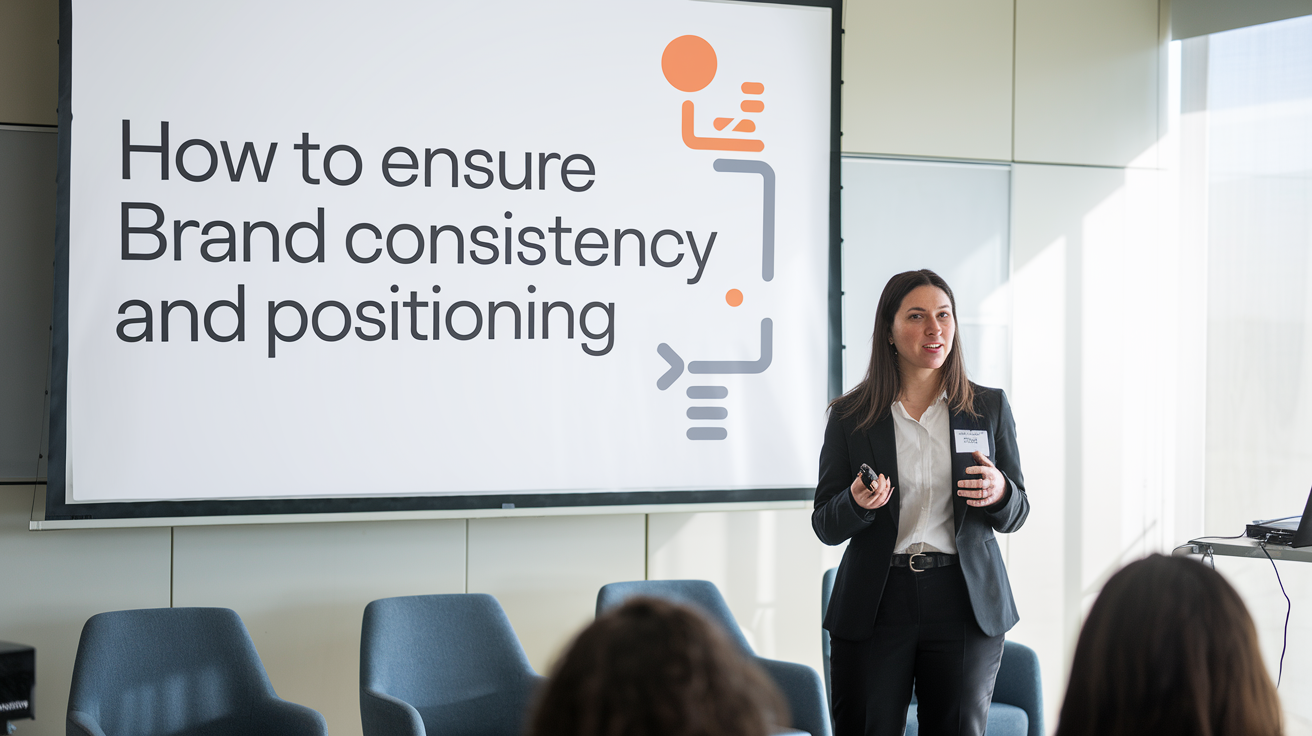
Learn how to maintain brand consistency and strong positioning across all platforms for a memorable and trusted startup identity.
When designing a website for startups, one of the most crucial elements to keep in mind is brand consistency. Collaborating with a professional web development agency ensures that your website aligns seamlessly with your brand’s identity, presenting a unified look across all digital platforms. This consistency not only builds trust with potential customers but also strengthens brand recognition, making your startup memorable in a competitive market.
Why Brand Consistency Matters for Startups
For startups, brand consistency can mean the difference between being memorable and getting lost in the crowd. Your brand identity — including your logo, color palette, fonts, tone of voice, and messaging — should remain cohesive across your website and other platforms. A skilled web development agency will help you achieve this by integrating these elements into your site design, creating a sense of reliability and professionalism that resonates with users.
For more insights on creating a memorable brand, see 10 Essential Tips for Building a Website for Your Startup.
Key Elements for Brand Consistency on Your Website
To create a strong, cohesive brand experience, ensure these elements are consistent across your website:
- Logo and Visual Identity: Display your logo prominently on every page. Use your brand’s primary and secondary colors throughout the website to reinforce visual identity. A web development agency can help ensure these elements are applied in a way that strengthens your brand.
- Tone of Voice and Messaging: The language and tone of your content should reflect your brand’s personality. Whether your startup has a casual or professional tone, a development agency can ensure that this voice is clear and consistent throughout.
- Imagery and Media: Use images, videos, and other media that reflect your brand’s values and aesthetic. Customized visuals aligned with your brand’s unique personality help set your website apart.
- User Experience (UX): The flow of your website should match the expectations set by your brand. A well-chosen web development agency will understand how to create UX that aligns with your brand values and appeals to your audience.
Maintaining Brand Consistency Across Digital Channels
Your website is just one piece of the digital landscape. For a comprehensive brand presence, ensure consistency across all online platforms, from social media to email marketing:
- Social Media Alignment: Ensure profile pictures, cover photos, and bios across social media channels use the same colors, logo, and messaging style as your website.
- Email Marketing: Consistency in email templates, from design to tone, reinforces your brand identity with subscribers.
- Content Marketing: If you engage in content marketing, a unified tone and visual style across blog posts and other media strengthen brand identity.
Tools and Resources to Support Brand Consistency
Consider creating a brand style guide, which outlines specific elements and rules for your logo, colors, typography, imagery, and tone. A web development agency can assist in developing this guide and ensure all online elements align with your brand.
Wrapping Up Brand Consistency and Positioning
For startups, a consistent brand is essential to building recognition and trust. By following these guidelines and working with an experienced web development agency, you can create a website that resonates with your target audience and communicates a unified, professional image across all digital channels. Maintaining a cohesive brand presence helps position your startup for long-term success and growth.
Weighing DIY vs. Hiring a Web Development Company
For startups, choosing between a DIY approach and hiring a professional web development company is a critical decision. Each option has its benefits and drawbacks, and the right choice depends on your budget, technical skills, and the complexity of your website’s needs.
DIY Website Builders for Startups: Pros and Cons
Website builders like Wix, Squarespace, and Shopify offer simple, user-friendly platforms for startups with limited budgets or minimal technical expertise. These tools allow you to create a functional, visually appealing website without hiring a web development company. Here’s a quick look at the pros and cons:
- Pros:
- Affordability: DIY platforms are generally cost-effective, with low monthly subscription fees.
- Ease of Use: These platforms come with drag-and-drop editors, making it easy for beginners to design a website.
- Quick Setup: You can get a website up and running in a matter of hours, ideal for startups looking to establish an online presence quickly.
- Cons:
- Limited Customization: While easy to use, DIY platforms often lack advanced customization, which can limit your brand’s unique identity.
- Scalability Challenges: As your startup grows, you may find it challenging to scale a DIY website to accommodate new features or higher traffic.
- SEO Limitations: DIY builders may not provide robust SEO capabilities, which are critical for startups looking to boost online visibility from day one.
For startups considering the DIY route, here’s a helpful guide on Web Development: How Appropriate It Is to Do on Your Own.
When to Choose a Web Development Company
A professional web development company offers the expertise, customization, and scalability that DIY platforms may lack. Here’s when hiring an agency is likely the best choice for startups:
- Brand-Centric Customization: If you want a unique, highly customized website that captures your brand identity and positions you as a standout in the market, a web development company provides this advantage.
- Advanced Functionality: For startups needing advanced features such as e-commerce, membership portals, or data integrations, a professional agency can handle the technical complexities.
- Long-Term Growth: As your startup grows, you’ll want a website that can scale. A web development company ensures your site is built on a solid foundation to support future growth and flexibility.
- SEO and Performance Optimization: Professional developers have the skills to implement robust SEO strategies and optimize your site’s loading speed and performance.
Choosing the right web development company allows your startup to harness a powerful, scalable, and high-performing website that meets both present and future needs.
Conclusion: The Path to Finding the Perfect Web Development Agency
In today’s competitive digital landscape, a well-designed website is crucial for a startup’s success. By understanding your goals, budget, and technical needs, you can determine the best approach—whether that’s leveraging a DIY platform or hiring a professional web development company.
Start by outlining what you need from your website for startups, weighing the pros and cons of DIY versus hiring a professional. Don’t hesitate to reach out to a web development agency that aligns with your vision. With the right partner, your startup can create a powerful online presence that fosters growth and positions you for long-term success.
Questions to Ask Before Hiring a Web Development Company
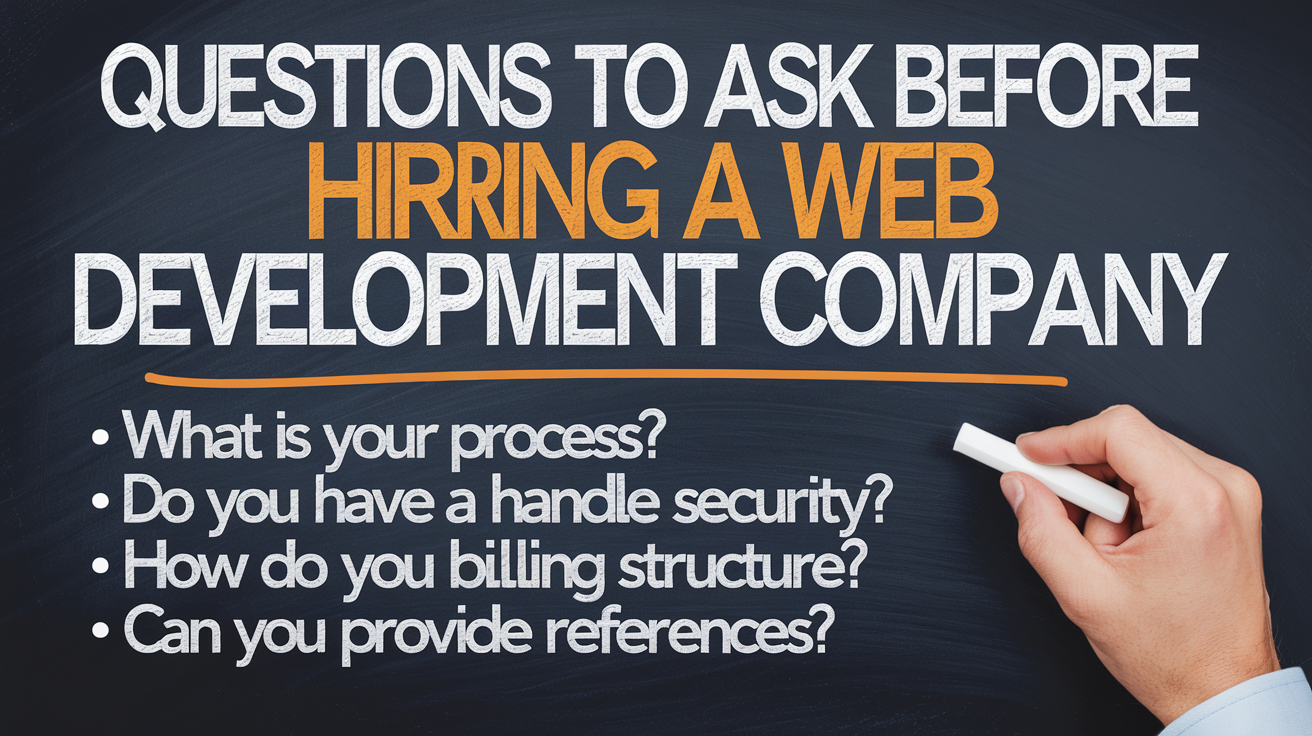
Before hiring a web development company, ask these key questions to ensure you find the right fit for your startup’s needs.
When choosing a web development company for your startup, it’s essential to ask the right questions to ensure that the agency can meet your unique needs. Here’s a checklist of crucial questions to help you assess a potential agency’s expertise, experience with startups, and the long-term support they offer.
1. What Experience Do You Have Working with Startups?
Why Ask: Startups often have different needs than established businesses, such as tighter budgets, a focus on growth, and specific brand-building goals. Follow-Up: Ask for case studies or examples of past work with other startups. This will give you insight into their approach to handling similar challenges and their ability to deliver value within startup constraints.
2. Can You Share Case Studies and Client References?
Why Ask: Reviewing case studies and speaking with past clients can provide a clearer picture of the agency’s success rate, communication style, and project management skills. Follow-Up: Look for evidence of completed projects that align with your goals. Ask the client references about their experience working with the agency, including responsiveness, flexibility, and post-launch support.
3. How Will You Ensure My Website Aligns with My Brand Identity?
Why Ask: Consistency with your brand identity is crucial for building trust and recognition among users. Follow-Up: Ask if they involve branding specialists or designers who understand your brand’s personality. For more insights into the importance of brand consistency, see Why Brand Identity and Brand Guidelines Matter for Success.
4. What’s Included in the Development Cost?
Why Ask: Understanding the breakdown of costs when working with a web development company can help you avoid unexpected expenses. Some agencies may charge extra for essential features like SEO optimization or mobile responsiveness. Follow-Up: Request a detailed estimate that includes costs for design, development, testing, and any post-launch maintenance. Clarify if there are additional charges for updates, revisions, or technical support, ensuring that your partnership with the web development company remains within budget and aligned with your goals.
5. How Do You Approach SEO and Mobile Optimization?
Why Ask: SEO and mobile responsiveness are critical for startups looking to grow their online presence. A website that’s optimized for search engines and mobile devices can help increase traffic and improve user experience. Follow-Up: Ask if they follow best practices for SEO, like optimizing meta tags, site structure, and page load speed. Inquire about their experience with mobile-first design, which is crucial for startups looking to capture mobile traffic.
6. What Project Management Tools Do You Use?
Why Ask: Effective project management tools help ensure smooth communication, track project progress, and manage timelines efficiently. Follow-Up: Look for agencies that use established tools like Slack, Trello, or Asana for transparency and collaboration. This helps both parties stay on the same page and ensures deadlines are met.
7. Will You Provide Ongoing Support and Maintenance After Launch?
Why Ask: Websites need regular updates, bug fixes, and potentially new features as your startup grows. A good web development company should offer reliable post-launch support. Follow-Up: Inquire about the specifics of their maintenance packages, including how they handle issues that arise after launch, their typical response time, and the cost of ongoing support.
8. How Customizable Will the Website Be?
Why Ask: Customization is essential for scaling and adapting your website as your startup evolves. Some agencies offer template-based solutions that may limit flexibility. Follow-Up: Ask about the platform they use and the level of customization it supports. Determine if you’ll be able to make future changes yourself or if you’ll need ongoing assistance from the agency.
9. How Long Will the Project Take from Start to Finish?
Why Ask: Timelines are essential, especially for startups with product launches or marketing campaigns tied to the website’s release date. Follow-Up: Get a clear timeline and ask how they handle delays or revisions that might extend the project. This will help you set realistic expectations and plan other business activities accordingly.
10. Do You Offer Training for Website Management?
Why Ask: After the website goes live, your team may need to manage content, upload new products, or make minor updates. Training will empower your team to handle day-to-day site maintenance. Follow-Up: Ask if they provide training sessions or documentation, like video tutorials or a user manual, for managing the website.
How to Choose a Web Development Company?
Choosing the right company involves reviewing their portfolio, understanding their expertise, and assessing their communication style. Prioritize agencies with experience in your industry and a track record of delivering on time and within budget.
What Should Startups Prioritize in a Website?
Startups should focus on creating a user-friendly, mobile-optimized website with clear branding and strong calls-to-action. Prioritize SEO and scalability for long-term growth.
How Much Should a Startup Website Cost?
Costs vary widely based on customization, features, and agency expertise. A basic startup website could range from a few thousand dollars to tens of thousands for a highly customized, scalable solution.
Why Do Startups Need SEO?
SEO enhances online visibility, helping startups attract organic traffic and potential customers. It is a cost-effective way to reach a larger audience without a substantial marketing budget.
Should I Go DIY or Hire a Web Development Company?
For limited budgets and simple sites, DIY platforms like Wix or Squarespace may be suitable. However, for scalability and custom branding, hiring a professional agency provides a more robust, flexible solution.
Final Thoughts on Choosing the Right Web Development Company
Asking these questions will give you a deeper understanding of the agency’s capabilities, approach, and whether they’re a good fit for your startup’s specific needs. A solid foundation of open communication and clear expectations will set your project up for success, ensuring a website that’s built to support your startup’s growth and branding goals.
The post Finding the Perfect Web Development Company for Your Startup appeared first on Best Media Agency.
]]>A dedicated website does more than showcase products or services—it builds credibility, engages potential customers, and communicates the brand’s unique identity from the outset. Startups face steep competition, and a well-designed website helps them stand out by delivering key messages, establishing authority, and reaching a global audience quickly and cost-effectively.
Additionally, websites serve as a platform where startups can share their brand story, mission, and values, creating a relatable image that resonates with their target audience. In essence, a powerful online presence can become a startup’s most valuable digital asset, driving customer acquisition and supporting sustainable growth.
Why Every Startup Needs a Website
Building a website for startups isn’t just a trend; it’s a powerful tool that can drive brand visibility, foster customer trust, and set the foundation for business growth. Today, having a digital footprint is essential for any business, especially for startups aiming to gain traction quickly and compete with established brands. Here’s why:
Boosting Brand Visibility and Credibility
A website increases a startup’s visibility in ways traditional marketing can’t match. When potential customers search online for products or services, having a professional website improves the chances of them finding and trusting your business. A cohesive, well-designed site signals to visitors that your brand is credible and serious about meeting their needs.
Cost-Effective Customer Acquisition
Compared to traditional advertising methods, a website offers a more affordable way for startups to reach their target audience. Through various digital marketing techniques—like SEO, content marketing, and social media—startups can drive traffic to their website at a fraction of the cost of physical ads. Plus, with analytics, startups can measure the success of these methods in real-time and make data-driven decisions.
To further understand the importance of a unified online identity, check out our article on Why Brand Identity and Brand Guidelines Matter for Success, where we dive into the significance of presenting a consistent brand image across all digital channels.
Key Benefits of a Startup Website:
- 24/7 Accessibility: A website allows customers to access information anytime, improving accessibility and potentially increasing customer engagement.
- Customer Insights: A website lets startups collect valuable data, such as visitor demographics and preferences, helping tailor marketing strategies.
- Market Expansion: Digital platforms enable startups to reach a global audience from the get-go, making it easier to expand and explore new markets.
A website is an essential asset that supports brand growth, customer acquisition, and long-term success.
What Makes a Great Startup Website?
Creating an impactful website for startups goes beyond aesthetic appeal; it’s about functionality, user experience, and brand messaging. Here’s what to keep in mind to create a site that stands out:
1. Simplicity and Clear Messaging
The best startup websites have a clean, simple layout that’s easy to navigate. A clutter-free design ensures users can find what they need without distraction. The message on your site should be clear, concise, and speak directly to your audience. Highlight your unique value proposition upfront—what makes your startup different from others?
2. Strong Branding Elements
Your startup’s website should reflect your brand’s identity with consistent use of colors, fonts, and logos. This reinforces your brand message and builds recognition. A distinct color palette, typography, and design style create a memorable user experience that sets your startup apart from the competition.
For a deeper dive into building effective branding across digital platforms, refer to our article What Makes Online Branding Effective.
3. User-Centric Design
A well-designed website for startups should prioritize user experience, making navigation intuitive and ensuring fast load times. Responsive design is key, allowing the site to adapt seamlessly to all devices, so visitors easily find information about your startup’s offerings, values, and contact details. Including clear calls-to-action (CTAs) such as “Sign Up Now” or “Learn More” effectively guides users through the site, boosting engagement and supporting conversion goals.
4. Effective Call-to-Action Buttons
CTAs are crucial for conversions, helping guide users to take actions like signing up, purchasing, or contacting your team. Use action-driven language that aligns with your brand’s tone to make CTAs compelling and direct. Place these buttons strategically to maximize user engagement.
External Example
A well-regarded resource like Wix offers guidelines and templates that highlight user-friendly, startup-friendly web designs, making it easier for entrepreneurs to visualize effective layouts and engaging features for their own websites.
Key Elements for Designing a Website for Startups
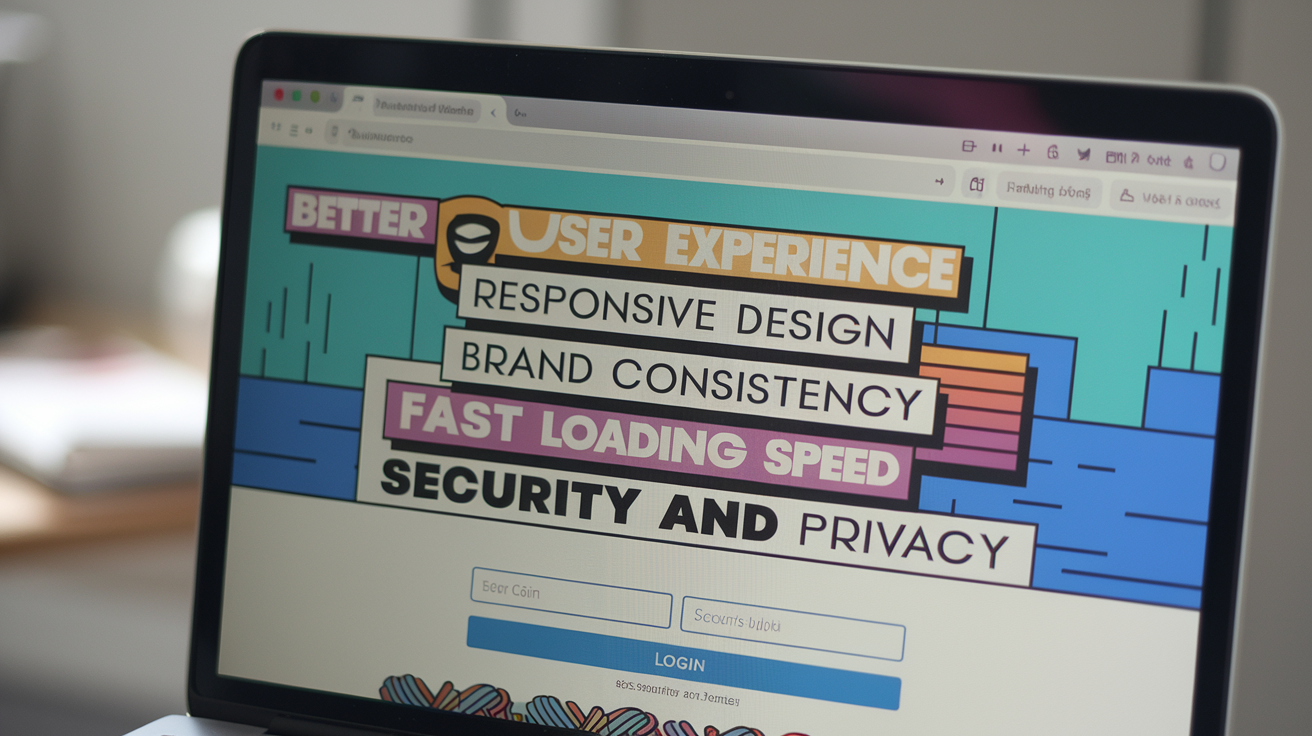
A visually engaging outline of must-have elements for startup websites, emphasizing user experience, brand consistency, and security.
Creating an engaging website for startups involves integrating specific elements that ensure both functionality and appeal. Here’s a breakdown of the essentials every startup site needs to succeed:
1. Domain Name and Hosting
A memorable domain name is your startup’s first impression online. Choose one that is simple, reflects your brand, and is easy to spell. Along with this, opt for a reliable hosting provider to ensure your site is fast, secure, and accessible around the clock. Many startups benefit from platforms that offer integrated hosting options, such as WordPress and Wix.
2. Responsive Design
For a successful website for startups, it’s essential to have a responsive design that adapts effortlessly to various screen sizes, especially since most users are now browsing on mobile devices. This adaptability ensures a seamless experience across all devices, boosting user engagement and positively impacting SEO performance.
3. Brand Consistency
Your website should echo your brand’s identity, which means consistently using your brand’s colors, fonts, and style throughout. Consistency helps reinforce brand recognition and conveys professionalism. Consider creating a brand style guide to maintain consistency across all digital channels. For a deeper dive into the importance of brand guidelines, check out our article Why Brand Identity and Brand Guidelines Matter for Success.
4. Fast Loading Speed
Page speed is crucial—websites that load within three seconds retain significantly more visitors. Ensure your site is optimized with compressed images, minimal plugins, and clean code to keep loading times short. Fast-loading sites also rank better on search engines, attracting more traffic and creating a positive user experience.
5. Security and Privacy
Startups often overlook security, but it’s critical for user trust. Basic measures include an SSL certificate, which encrypts data and shows users your site is secure. For startups handling personal data, ensure compliance with data privacy laws, especially if your startup operates globally.
Need help finding the right design team for a startup website? Our Ultimate Guide to Choosing the Right Website Design Agency covers how to evaluate and select experts in web design, ensuring you partner with a team that understands your brand’s vision.
Steps to Building a Startup Website
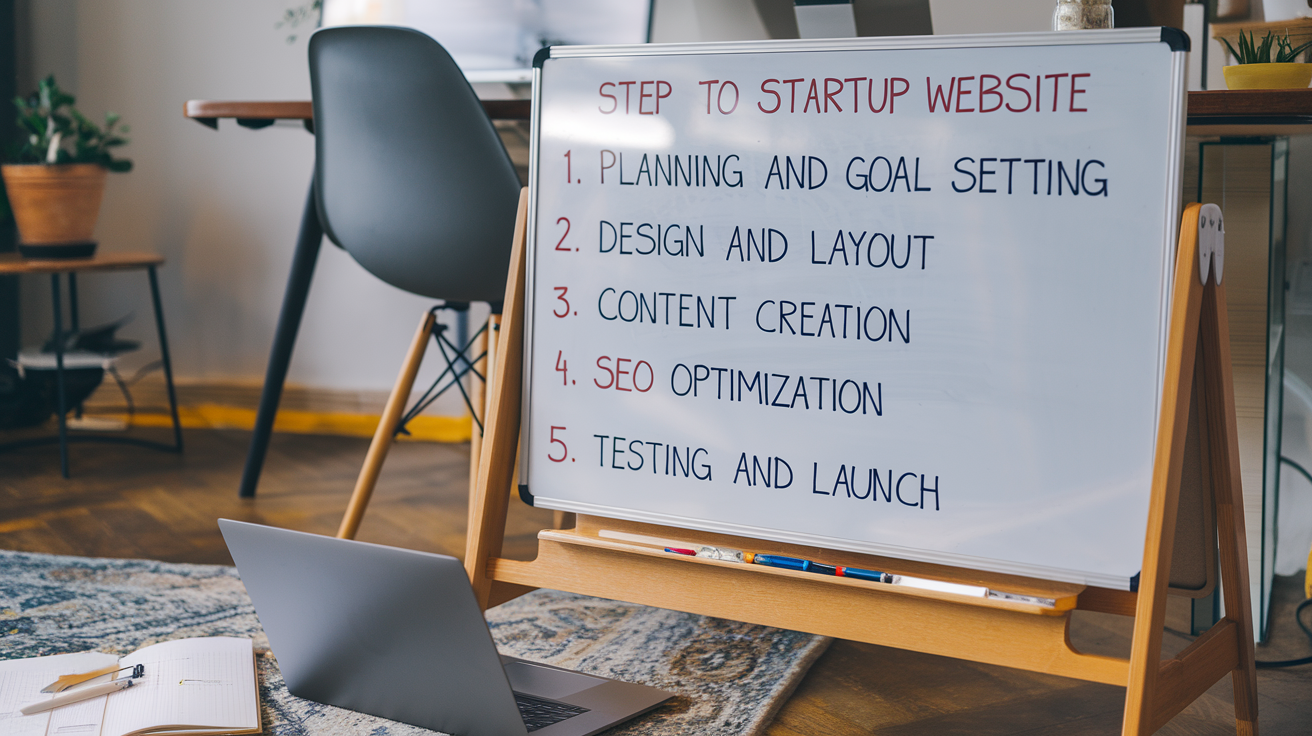
Key steps for building a startup website, from goal setting and design to SEO and launch testing.
Creating an effective website for startups involves clear, actionable steps. Here’s a practical guide to help startups design a website that communicates their mission, appeals to users, and drives engagement.
1. Planning and Goal Setting
Start by defining the main purpose of your website. Are you selling products, building a brand, or showcasing a service? Clarify goals for your site and the needs of your target audience, as this will shape every other step. A well-defined plan ensures your website aligns with business objectives.
2. Design and Layout
When creating a website for startups, aim for a design that captures your brand’s unique identity while maintaining simplicity and usability. Minimalist designs work particularly well for startups—they’re clean, intuitive, and keep users focused on the essentials. Choose colors, fonts, and images that reflect your brand’s character, ensuring all elements align seamlessly. If you’re new to design, website builders like Wix and Squarespace offer templates that balance visual appeal with functionality, making it easier to create a professional and engaging website for startups.
3. Content Creation
Each page on your site should have relevant, engaging content. Essential pages include:
- Homepage: Summarizes what your brand offers and hooks visitors.
- About Page: Shares your brand story, mission, and values.
- Product or Service Pages: Clearly detail what you offer.
- Contact Page: Make it easy for customers to reach out with questions or feedback.
Consistent tone and messaging across these pages help build brand recognition. For insight into maintaining brand identity, see What Makes Online Branding Effective.
4. SEO Optimization
For a successful website for startups, optimizing each page for search engines is essential to increase online visibility. Basic SEO practices, such as including relevant keywords, optimizing images, and crafting meta descriptions for each page, can make a significant difference. By implementing these strategies, startups can attract organic traffic effectively, reaching potential customers without large advertising costs. SEO is a valuable tool for startups looking to grow their audience and gain traction in a competitive digital landscape.
5. Testing and Launch
Before going live, test the site’s functionality across various devices and browsers to ensure smooth user experiences. Check all links, forms, and load times. After thorough testing, launch the site and continue monitoring it to fix any unforeseen issues.
For those looking to dive deeper into SEO essentials, Moz’s Beginner’s Guide to SEO is a comprehensive resource that helps even non-experts enhance their site’s search visibility.
Website Features Essential for Startups
Creating a website for startups isn’t just about having an online presence; it’s about building a platform that supports your growth, attracts the right audience, and communicates your value clearly. Here’s a rundown of critical features every startup website should incorporate.
1. Homepage
The homepage is often the first point of contact with potential customers. It should capture the essence of your startup, include an engaging headline, and explain what your startup offers. This page should clearly direct visitors to other parts of the site, whether it’s through product highlights, call-to-action (CTA) buttons, or direct links to relevant sections.
2. About Page
A well-crafted About page goes beyond general descriptions; it tells your startup’s story, outlines your mission, and humanizes your brand. This section builds trust and allows potential customers to connect with your brand’s purpose. Startups should also highlight any unique achievements, values, or noteworthy partnerships here.
3. Product or Service Pages
Clearly describe your products or services, including visuals, benefits, and any unique selling points (USPs). These pages should communicate value effectively and guide visitors on how your offerings solve specific problems. Use simple language and high-quality visuals, which are especially helpful in capturing your audience’s interest and converting it into leads.
4. Blog
A blog is a powerful tool for building authority in your industry and establishing your brand voice. Regular blog updates improve SEO, help engage your audience, and position your startup as a knowledgeable resource. For additional insights on the power of consistent brand messaging, see our guide on What Makes Online Branding Effective.
5. Contact Page
The Contact page should be easy to find and navigate, with clear information on how visitors can reach you. Including a contact form, email, phone number, and links to social media platforms can make it simple for visitors to get in touch, ask questions, or provide feedback.
For those just getting started on their website journey, check out The Ultimate Guide to Choosing the Right Website Design Agency to find the right design partner for your needs.
Common Mistakes to Avoid While Building A Website for Startups
Creating a website for startups is an exciting journey, but common pitfalls can hinder your site’s effectiveness and user experience. Here’s a look at some of the mistakes to watch out for:
1. Overloading with Features
New startups often try to cram too many features into their website, thinking it will attract a broader audience. In reality, a cluttered design and excess functionality can overwhelm visitors. Focus on a clean, user-friendly interface and include only the essential features that serve your business goals.
2. Neglecting SEO and Responsiveness
SEO and mobile-friendliness are essential for visibility and accessibility. An optimized website improves search rankings and helps potential customers find you easily. With most users accessing websites from mobile devices, having a responsive design is critical. Neglecting these aspects can reduce traffic and diminish engagement.
3. Ignoring User Experience in Favor of Aesthetics
When designing a website for startups, it’s essential to balance visual appeal with user experience (UX). While an attractive website catches users’ attention, the true value lies in a smooth, functional experience that keeps visitors engaged. A user-friendly website for startups should load quickly, be easy to navigate, and provide intuitive access to information. By prioritizing both aesthetics and UX, you create an inviting environment that not only captures visitors’ interest but also encourages them to explore more deeply, supporting long-term engagement and brand loyalty.
4. Inconsistent Branding
Startups often overlook the importance of consistent branding. Mismatched logos, colors, or messaging across different pages and platforms create a fragmented image that can confuse potential customers. Consistency is key to building trust and brand recognition.
For more insights on maintaining consistency, read our article on Why Brand Identity and Brand Guidelines Matter for Success.
5. Weak Call-to-Actions (CTAs)
CTAs are vital for guiding users toward taking action, such as signing up for a newsletter or purchasing a product. Avoid generic CTAs like “Click Here” and instead use descriptive language like “Explore Our Services” or “Get Your Free Consultation.”
With these common errors in mind, you can create a user-friendly, consistent, and effective startup website.
How to Choose a Web Development Approach
When building a website for startups, you have a few main options to consider for development: doing it yourself (DIY), using a website builder, or hiring a professional agency. Each approach has unique advantages and challenges, depending on your budget, expertise, and long-term goals.
1. DIY with Content Management Systems (CMS)
Platforms like WordPress or Joomla are popular among startups because they provide flexibility without requiring in-depth technical knowledge. A DIY approach allows you to learn as you go, tailoring your website’s features and aesthetics according to your brand vision.
- Pros:
- Greater control over design and customization.
- Cost-effective as you only need to cover hosting and a domain.
- Easy access to themes, plugins, and a supportive community.
- Cons:
- Requires time and a willingness to learn.
- Customization may be limited unless you have coding skills.
- Ongoing maintenance and troubleshooting are the user’s responsibility.
2. Website Builders (e.g., Wix, Squarespace)
Website builders simplify the development process through drag-and-drop interfaces, making them ideal for startups wanting a fast, easy setup. These platforms typically offer a range of templates and customization options, enabling you to create a professional-looking website without coding knowledge.
- Pros:
- User-friendly with minimal technical skills needed.
- Offers built-in hosting, security, and maintenance.
- Affordable, with clear pricing plans for startups on a budget.
- Cons:
- Limited scalability, which can hinder long-term growth.
- Restricted customization and less flexibility.
- Some website builders are less SEO-friendly than custom solutions.
3. Hiring a Professional Agency
For startups with specific branding needs and a long-term growth strategy, a professional web design agency may be the best choice. An agency can create a customized website tailored to your startup’s unique identity and goals, ensuring quality in both design and functionality.
- Pros:
- Professional-level design and functionality tailored to your needs.
- SEO-friendly, optimized for user experience and conversions.
- Ongoing support for updates, maintenance, and scalability.
- Cons:
- Typically the most expensive option.
- Requires a vetting process to find the right agency for your needs.
- Development may take longer, as agencies follow a detailed design and development process.
Weighing Your Options
Choosing the best approach to build a website for startups depends on key factors such as budget, technical skills, and the unique needs of your business. For simpler websites with basic functionality, DIY platforms or website builders can be affordable and accessible options, ideal for startups on a tight budget. However, if your goal is to create a scalable, professional website that supports long-term growth, partnering with a professional agency can provide the expertise and strategic support needed to bring your vision to life effectively.
To learn more about the pros and cons of each approach, check out our guide on Web Development: How Appropriate It Is to Do on Your Own. This will help you determine the right fit for your startup’s unique needs.
Frequently Asked Questions for Building a Website for Startups
A website for startups often raises common questions about the essentials, costs, features, and overall importance. Here are some key FAQs that address these topics, designed to help new business owners make informed decisions.
What is a startup website?
A startup website is a dedicated digital platform created to introduce and promote a new company’s products, services, or mission to potential customers, investors, and partners. Designed with the unique needs of emerging businesses in mind, a website for startups often emphasizes a clean, straightforward layout that highlights the brand’s core message and value proposition.
Such websites are typically crafted to showcase brand identity through cohesive visuals, color schemes, and messaging that resonate with target audiences. The design is usually user-friendly, focusing on easy navigation, mobile compatibility, and quick loading times to enhance accessibility and user experience. A startup website acts as the central online hub, aiming to build credibility, generate interest, and encourage engagement with the brand.
Does my startup need a website?
Absolutely, having a website is crucial for startups. A well-designed website for startups establishes a professional online presence, enhances credibility, and serves as a vital platform for engaging with customers. It acts as a central hub for brand information, offering visitors insight into your startup’s mission, products, and services, while also providing channels for customer support. For startups, a website is more than just an online address; it’s a powerful tool for driving visibility, fostering customer trust, and creating a lasting impression that can set you apart in a competitive market. Additionally, a website optimized for search engines can help your startup reach a broader audience, attracting potential customers and investors.
How much does it cost to build a startup website?
Costs vary widely based on complexity, features, and development approach. DIY sites on platforms like WordPress can cost a few hundred dollars, while custom-designed websites by an agency might range from $3,000 to $10,000 or more. For cost-effective options and professional support, check out The Ultimate Guide to Choosing the Right Website Design Agency.
What should be included in my startup website?
A website for startups should include essential pages like a homepage that highlights your value proposition, an about page to share your story and build credibility, product or service pages with detailed descriptions and customer testimonials, and a contact page for easy connection. Adding a blog or resource section can drive engagement and improve SEO by sharing relevant insights.
Incorporate consistent brand elements, such as your logo, color scheme, typography, and messaging, to create a professional, memorable experience. Lastly, ensure your site is mobile-friendly and optimized for fast loading to enhance user experience.
How can I make my startup website stand out?
To make a startup website truly stand out, it’s essential to focus on a few key elements that resonate with users and reflect your brand’s unique identity. Start with cohesive branding—ensure your logo, color scheme, and typography align with your startup’s values and appeal to your target audience. Strong, high-quality visuals can capture attention immediately, so invest in custom graphics, professional photography, or engaging videos to bring your brand to life.
Engaging content is equally critical; craft clear, compelling copy that speaks directly to your audience’s needs and highlights your startup’s solutions. Additionally, applying user experience (UX) principles is vital. Prioritize a clean, intuitive layout with easy navigation, as well as quick load times, which not only improve customer engagement but also enhance your SEO rankings. Finally, consider interactive elements like customer testimonials, blogs, or even a live chat feature, which can help make your website for startups feel more dynamic and accessible, setting you apart from competitors.
What are brand guidelines, and why do they matter?
Brand guidelines are a set of standards that define how your brand elements (logos, fonts, colors) are used consistently across platforms. They help ensure your brand’s look and message remain consistent, building trust and recognition. For more insights, visit Why Brand Identity and Brand Guidelines Matter for Success.
The post 10 Essential Tips for Building a Website for Startups appeared first on Best Media Agency.
]]>However, creating an impactful website requires more than just aesthetics—it demands alignment with your brand and business goals. Finding the right website design agency that understands your vision can be challenging, especially with numerous agencies offering similar promises. To select the best partner, it’s essential to choose an agency with the expertise to create a website that resonates with your audience and reflects your unique brand.
Many businesses make the mistake of choosing a web design partner based on cost alone, or without considering how the company will align with their brand identity. A mismatched partnership can result in a website that looks generic, lacks functionality, or fails to connect with your target audience. This not only harms your brand’s reputation but can also lead to lost opportunities and wasted resources. To dive deeper into why maintaining brand consistency matters online, check out our guide on Why Your Business’s Online Appearance Must Match Your Brand Identity.
That’s why we’ve created this comprehensive guide. Our goal is to help you navigate the process of selecting the right web design company. By the end of this article, you’ll have all the information you need to make an informed decision, ensuring that the company you choose will build a site that not only functions seamlessly but also reflects and elevates your brand.
In this guide, we’ll walk you through each step of the process, from identifying your website needs to evaluating a design company’s portfolio, SEO expertise, and post-launch support. Armed with this knowledge, you’ll be able to confidently select the right partner to create a website that makes a lasting impact.
The Impact of Choosing the Right Web Design Agency on Your Brand’s Success
In today’s digital-first world, your website is more than just an online address—it’s your brand’s first impression, often shaping customers’ perceptions and trust from the very start. Research consistently highlights the importance of web design: 75% of users judge a business’s credibility based on its website (Stanford). This means that the quality and professionalism of your website can make or break potential relationships with new customers.
A thoughtfully crafted website should look appealing, work seamlessly, and offer an intuitive experience for users. 88% of online users are less likely to return to a site after a bad experience (HubSpot), underscoring the importance of choosing a web design company that values user experience. A top-tier web design company knows how to strike the balance between aesthetics and usability, ensuring that every element of the website contributes to a positive user journey.
The Pitfalls of Choosing the Wrong Partner
Selecting the wrong web design company can lead to a series of costly mistakes, like an off-brand or unprofessional website. Such issues can drive potential customers away and damage your brand’s credibility. Imagine hiring an agency that lacks experience in your industry or doesn’t fully understand your target audience; this can result in a website that feels generic or mismatched with your brand identity.
Additionally, some companies may cut corners on essential features like SEO optimization, fast load times, and mobile compatibility, which are crucial for website success. Without these, even the most attractive website can struggle to attract traffic and retain visitors.
Step 1: Understand Your Website Needs
Before diving into the search for a website design agency, it’s crucial to clearly understand what you want to achieve with your website. A well-defined vision will help you communicate your goals effectively, ensuring that the chosen web design agency aligns with your objectives and brand identity. This step involves defining your business goals, selecting the right type of website, and setting a realistic budget.
Define Your Business Goals
Start by clarifying what you aim to accomplish with your website. Is your primary objective to generate sales, showcase a portfolio, inform users, or improve brand visibility? Each goal influences the design and functionality required:
- Increase Sales: If driving sales is the main goal, focus on user-friendly e-commerce features, a streamlined checkout process, and clear calls-to-action. Statistics show that even a one-second delay in load time can reduce conversions by up to 7%. Therefore, investing in quick load times and easy navigation is essential for success in an online store.
- Showcase Portfolios: For creative professionals like designers or photographers, showcasing past work is essential. This goal calls for a portfolio layout that’s visually compelling and easy to navigate, with high-quality images, testimonials, and case studies to build trust with potential clients.
- Provide Information: Websites focused on delivering information need intuitive navigation, well-structured content, and value-adding resources. Adding blogs, whitepapers, or industry insights can position your brand as a knowledgeable authority and help build long-term relationships with visitors.
- Enhance Brand Visibility: If brand visibility is the goal, emphasize design elements that communicate your brand’s personality—color schemes, typography, and logos that reinforce your identity across the site. This approach allows you to create a cohesive experience, especially when paired with consistent messaging. For further insights, you may find our article on Why Your Business’s Online Appearance Must Match Your Brand Identity helpful.
Clearly defined goals will guide your web design decisions, ensuring you attract the right audience and achieve the desired outcomes.
Different Types of Websites
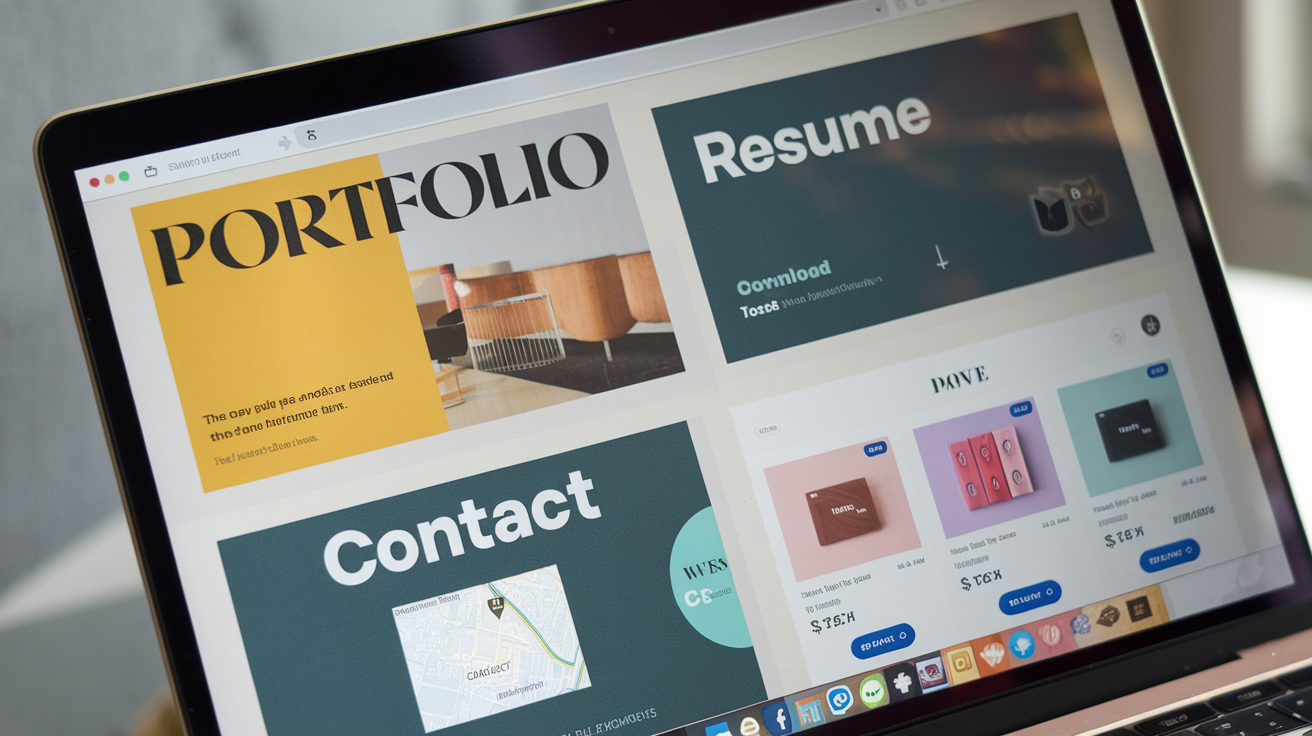
A close-up view of a website portfolio and contact page designed to showcase brand identity and project work effectively.
Each website type serves a different purpose and requires specific features. Knowing the type of website that aligns with your business objectives will help you communicate your needs to a web design agency effectively.
- E-commerce Websites: Designed for businesses that sell products or services online, e-commerce sites feature product listings, shopping carts, and secure payment gateways. Given the competitive nature of e-commerce, elements like SEO optimization, fast load times, and easy navigation are essential.
- Portfolio Websites: Ideal for creative professionals like designers, writers, or photographers, these sites prioritize visual appeal and navigation. They typically feature galleries, project pages, and client testimonials, showcasing the creator’s skills and previous work.
- Blogs: Blogs are excellent for businesses that want to share information, build an audience, or establish thought leadership in a niche. Built around a content management system (CMS), these sites require features that allow for SEO optimization and easy content updates.
- Informational Websites: Primarily designed to provide users with details about a business, service, or product, informational sites suit industries like law, healthcare, or local services. They generally include sections like “About Us,” “Services,” and “Contact,” focusing on accessible, concise information.
- Subscription or Membership Websites: If you offer exclusive content or services to members, a subscription-based model is ideal. These sites need user authentication, secure payment systems, and a well-organized content structure.
Choosing the right website type will ensure your site meets its intended purpose and provides users with an optimal experience. For further guidance, our article on Things to Keep in Mind While Designing a Website for Your Startup can provide additional insights.
Setting Your Budget
Budget considerations are a critical factor in web design. The cost of a website can vary greatly, influenced by complexity, the level of customization, and the web design company’s expertise. Here’s an overview of average costs for different types of websites in 2024:
- Basic Informational Website: Small businesses needing a simple website with a few pages (e.g., “Home,” “About,” “Contact”) may spend between $2,000 and $10,000. This covers mobile optimization, basic SEO, and easy navigation.
- E-commerce Website: Due to the added complexity of product pages, secure checkout, and payment processing, these sites can range from $5,000 to $50,000. Additional features, like customer reviews or shipping calculators, can impact cost.
- Custom Portfolio Website: If your brand requires a highly personalized design and interactive features, a custom portfolio website typically costs between $5,000 and $30,000, depending on specific design elements and customizations.
- Subscription or Membership Websites: Often more costly due to required security measures and user authentication, these sites can cost anywhere from $10,000 to $60,000 based on customization and member-exclusive content options.
- Using Website Builders or WordPress: For those with smaller budgets or a preference for DIY options, website builders like Wix or Squarespace cost between $7 to $500 monthly, depending on features. Building on WordPress with basic plugins costs $40 to $800 upfront, with additional expenses for premium themes and plugins.
When setting your budget, consider not only the initial design cost but also ongoing maintenance and potential future upgrades. While it might be tempting to minimize expenses, a well-designed website is a long-term investment that can enhance user experience, boost conversions, and support business growth.
Taking the time to clarify your website goals, understand the type of site you need, and establish a realistic budget will set you up for success as you proceed with selecting a web design partner.
Step 2: Review Their Portfolio and Past Work
Evaluating a web design company’s portfolio is one of the most effective ways to gauge its capabilities, style, and experience. A portfolio reveals not only the quality of the work but also the variety and scope of projects they’ve handled. Here’s a step-by-step approach to assessing a portfolio and the kinds of projects that signal a design company’s true expertise.
What to Look for in a Portfolio
- Design Style and Aesthetic
Every brand has a unique style, and your website’s design should align with your brand identity and resonate with your target audience. When reviewing portfolios, look at how well the design elements fit the brand. For example, do they work with clean, minimalist designs, or do they lean toward vibrant, high-energy styles? Make sure their past work aligns with the aesthetic you envision for your site. Consistency in a company’s portfolio can be a good sign of a strong design style, but versatility is equally important. - User Experience (UX)
A visually appealing website is great, but it also needs to be functional and easy to navigate. Examine the UX design in their portfolio, particularly if you’re viewing an interactive or complex site, such as an e-commerce store. Look for user-friendly layouts, clear calls-to-action, and smooth navigation paths. Research indicates that 88% of online consumers are less likely to return to a website after a bad user experience (source: HubSpot), so it’s essential that the design company demonstrates a strong UX focus. - Industry Relevance
Some industries have specific design needs—such as robust product filters for e-commerce, gallery features for portfolios, or user-friendly information hubs for resource sites. If the design company has experience in your industry, it could be a major advantage. Look for any similar projects in their portfolio to get a sense of how well they understand your market’s unique needs. - Website Functionality
For businesses that require specific features, such as booking systems, client portals, or e-commerce capabilities, make sure the design company has demonstrated experience with these functionalities. Review how well their past sites function, paying attention to elements like loading speed, mobile responsiveness, and multimedia integrations. A quality web design company will prioritize performance across devices, ensuring a smooth experience for users on any platform.
Case Studies and Client Success Stories
While portfolios offer a quick visual overview, case studies and client success stories provide a deeper insight into the design company’s approach, problem-solving skills, and the results they deliver. Case studies are particularly valuable for understanding the real impact of a web design project. Here are a few things to look for:
- Problem-Solving and Creativity
Case studies often highlight a specific challenge or goal that the client needed to address. Look for examples where the company demonstrated creative problem-solving or innovation to meet these challenges. For instance, if a client needed a unique feature or faced a specific branding challenge, the web design company’s solution can reveal their adaptability and ability to deliver on unique demands. - Measurable Outcomes
A strong case study includes data showing the impact of the redesign. Did the new website improve user engagement, boost conversion rates, or reduce bounce rates? Concrete numbers, such as “a 30% increase in conversions” or “a 20% reduction in load time,” give you a clear idea of how the company’s work impacts real business outcomes. For more insights into the power of measurable outcomes in branding, see our article on What Makes Online Branding Effective. - Adaptability Across Industries
If the web design company has handled projects across different industries, it’s a sign of their versatility and understanding of diverse audiences. This adaptability can be particularly useful if your brand requires a unique or less common design approach.
Questions to Ask About Past Projects
To gain even more insight, don’t hesitate to ask direct questions during consultations. Consider these key factors:
- What was your role in the project?
Web design companies sometimes showcase work done in collaboration with other agencies or third-party contractors. Confirming their exact role helps you understand their core strengths and how hands-on they were in the project. - What was the outcome of the project?
Ask about the specific results achieved post-launch. A reputable web design company should be able to provide statistics or anecdotal evidence that their design helped improve customer engagement, sales, or brand recognition. - Can I speak with past clients?
Testimonials are great, but direct conversations with previous clients give you a more authentic sense of the company’s communication style, project management skills, and the overall experience they provide.
When reviewing a portfolio and case studies, remember that you’re not just evaluating design skills. You’re assessing the company’s ability to solve problems, create intuitive and beautiful user experiences, and produce real, measurable results. Following this step will set you on the path to finding a web design company that can bring your vision to life in a way that resonates with your audience and drives tangible business outcomes.
Step 3: Check Client Reviews and Testimonials
A close-up of colorful post-it notes on glass reflecting client feedback, symbolizing diverse perspectives and satisfaction from working with a website design agency.
Evaluating client reviews and testimonials is crucial when choosing a reliable web design agency. Platforms like GoodFirms provide valuable insights into an agency’s reliability, quality of work, communication style, and problem-solving abilities. Here’s how to approach this step effectively:
Where to Find Authentic Reviews
- Google and Yelp: These platforms are accessible and commonly used for local and international business reviews. Google Reviews is particularly useful as it often contains detailed feedback across various industries, highlighting the agency’s strengths and weaknesses. Yelp, especially for local agencies, can provide insights into customer service, reliability, and responsiveness.
- Clutch.co: For professional services, Clutch is a reliable source offering in-depth reviews, project details, and client feedback. It’s particularly beneficial because reviews on Clutch often provide specifics about the project, such as budget, timelines, and results. This level of detail allows you to assess the agency’s effectiveness and project management capabilities.
- Social Media and LinkedIn: Many web design agencies actively engage on social platforms like LinkedIn, Facebook, and Instagram, where clients might leave comments or feedback. While these might be less comprehensive than Google or Clutch reviews, they can provide a quick snapshot of client satisfaction and how the agency handles public feedback.
Reading Between the Lines
While the number of positive reviews is important, quality matters more than quantity. Here are tips to identify genuine, relevant insights:
- Consistency: Look for patterns in the feedback. If multiple reviews highlight issues like missed deadlines or poor communication, these could be red flags. Similarly, consistent praise for design quality, creativity, or professionalism indicates a reputable agency.
- Response to Feedback: A company’s response to reviews, especially negative ones, shows its commitment to client satisfaction. If an agency handles criticism professionally and addresses concerns openly, it’s a good sign of accountability and customer focus.
- Detail-Rich Reviews: Reviews that describe specific aspects of the project, such as technical challenges or design preferences, are often more genuine. Overly generic language or sudden bursts of five-star reviews may signal fake reviews.
Questions to Ask Based on Reviews
Once you’ve analyzed reviews, bring relevant insights into your consultation:
- How do you ensure effective communication throughout the project? If communication issues appeared in reviews, ask about their communication protocols and transparency with clients.
- What’s your process for handling revisions or adjustments? If responsiveness was a concern in reviews, ask about how they manage feedback loops and revisions during the design phases.
- Can I speak with a past client? If reviews were mixed, request references or testimonials directly from the agency. This will give you an opportunity to hear an unbiased perspective.
Checking reviews and testimonials carefully gives you an inside look into the agency’s working style and track record, helping you make a more informed choice.
Step 4: Evaluate Their Communication and Project Management Skills
Effective communication and organized project management are key indicators of a successful web design partnership. Without a clear system for communication and progress tracking, even the most skilled agencies can struggle to meet client expectations. When assessing a web design agency’s communication style and project management skills, here’s what to look for:
Why Clear Communication Matters
In any web design project, seamless communication can make the difference between success and frustration. Good agencies understand this and prioritize transparency from the outset, keeping you informed on progress, timelines, and any potential issues. Look for an agency that:
- Sets Expectations Early: They should outline how often they’ll communicate, preferred communication channels (like email, Slack, or Zoom), and how updates will be delivered. For example, do they offer regular check-ins or scheduled updates?
- Responds Promptly: Pay attention to how quickly they respond to your initial inquiries. Timely responses indicate an agency’s commitment to open communication. Slow or inconsistent replies can be a warning sign of future communication gaps, which may lead to misalignment or missed deadlines.
Signs of Effective Project Management
Project management involves tracking progress, ensuring deadlines are met, and coordinating feedback. Look for agencies that use project management tools and have a structured workflow:
- Use of Project Management Tools: Agencies that utilize tools like Asana, Trello, or Monday.com are more likely to stay organized and meet deadlines. These platforms allow for task assignment, timeline visualization, and status updates, ensuring you have visibility into each phase of the project. For instance, a reliable agency might share a project board with you, so you can track progress in real time.
- Defined Processes and Timelines: A professional agency will walk you through their project phases, from initial design to final development. Each phase should have clear milestones, such as design drafts, wireframes, and content integration. Knowing their process helps you understand when to expect deliverables and when you’ll need to provide feedback.
- Regular Updates and Milestones: Regular updates keep the project on track. An experienced agency will schedule frequent check-ins to discuss completed tasks and any adjustments required. They should also set realistic milestones with specific deadlines, ensuring the project stays within the agreed timeline.
Questions to Ask During Initial Meetings
When meeting with potential agencies, ask questions that clarify their communication style and project management approach:
- How do you handle project timelines and delays? A good agency will outline their approach to handling unexpected delays, whether it’s adjusting timelines or re-prioritizing tasks. This reflects their dedication to openness and responsibility.
- Who will be our main point of contact? It’s important to know who your primary contact will be throughout the project. Ideally, this should be someone with in-depth knowledge of the project and authority to make decisions or address issues as they arise.
- How do you gather and implement client feedback? Understand how the agency incorporates your input. Ask if they allocate specific times for feedback or offer flexible communication throughout the project. Agencies that actively involve clients in the process are more likely to deliver a website that aligns with your vision.
- What project management tools do you use? Ask about the tools they rely on to manage timelines, track tasks, and facilitate communication. If they use platforms like Slack for messaging or Google Drive for document sharing, ensure you’re comfortable with their setup and can access necessary information.
- How do you handle changes to the project scope? Changes can arise unexpectedly. Knowing how the agency addresses scope adjustments, whether through formal documentation or flexible revisions, can prevent misunderstandings and additional costs.
The Importance of a Reliable Partnership
In the end, you want an agency that values partnership. A strong communication strategy paired with organized project management helps ensure that your website project flows smoothly, meeting both your expectations and deadlines. By focusing on these aspects, you’ll be able to identify an agency that’s not just building a website but is invested in your long-term success.

The post The Ultimate Guide to Choosing the Right Website Design Agency appeared first on Best Media Agency.
]]>