Web design trends are not just about aesthetics—they reflect changing consumer behaviors, technological advancements, and digital innovations. A well-designed website enhances user experience, builds trust, and improves business outcomes. Ignoring these trends can result in outdated designs, slow-loading pages, and a frustrating user experience that drives potential customers away.
For designers, staying updated means mastering new design principles, tools, and interactive elements. Marketers must understand how web design influences user behavior, engagement, and conversion rates. Business owners need to invest in websites that attract and retain customers while strengthening brand identity.
In 2025, several key trends will dominate the digital landscape. Minimalist layouts, dark mode, immersive animations, AI-driven user experiences, and bold typography are leading the way. These trends prioritize usability, accessibility, and engagement while ensuring a seamless browsing experience. From micro-interactions to AI-powered chatbots, web design is evolving to become more interactive and user-focused.
This article explores the most influential 2025 website design trends and how they are setting new standards. We’ll break down their significance, implementation strategies, and potential impact. Whether you’re a designer, marketer, or business owner, understanding these trends will help you stay ahead in an increasingly competitive digital space.
The Driving Forces Behind 2025 Web Design
These 2025 website design trends are driven by rapid technological advancements. Over the years, web design has evolved from static pages to highly interactive, AI-powered experiences. As user expectations continue to rise, businesses must stay ahead by adopting trends that improve both aesthetics and functionality. Moreover, with increasing competition online, brands can no longer afford to rely on outdated designs.
Evolution of User Experience
User experience (UX) has changed significantly over the last decade. In the beginning, websites were primarily text-based with limited functionality. However, as technology advanced, the focus shifted toward better navigation, mobile responsiveness, and visually engaging elements. Today, AI-driven personalization, micro-interactions, and immersive interfaces define the modern web.
Furthermore, users now expect dark mode, minimalistic layouts, and smooth animations to enhance readability and navigation. At the same time, the rise of voice search and AI chatbots has made websites more interactive, allowing visitors to find information faster. Instead of just being visually appealing, modern websites must anticipate user behavior and provide personalized, real-time solutions.
Technology’s Role in Web Design
The web design landscape is undergoing a major transformation, largely due to emerging technologies such as AI, AR/VR, automation, and Web 3.0. These innovations are not only making websites smarter but also significantly improving user engagement.
- Artificial Intelligence (AI): AI is reshaping web design by automating content creation, optimizing layouts, and enhancing user interactions. For example, AI-driven tools can generate personalized experiences based on user preferences, making websites more engaging. According to Forbes, AI-powered websites are helping businesses improve efficiency and user satisfaction.
- Augmented & Virtual Reality (AR/VR): AR and VR are revolutionizing industries such as retail and real estate by offering virtual try-ons and interactive property tours. As a result, customers can experience products and spaces before making a purchase, leading to higher engagement and conversions.
- Web 3.0 & Decentralization: With the growing adoption of blockchain technology and decentralized applications (dApps), data control is shifting back to users. Consequently, this trend enhances security, transparency, and privacy, making websites more trustworthy and reliable.
Business Impact: Why Brands Are Investing in Cutting-Edge Web Aesthetics
A website is no longer just a digital brochure—it’s a critical business asset. Companies investing in modern web design trends gain several competitive advantages:
✔ Higher conversion rates, thanks to intuitive, action-driven layouts.
✔ Stronger brand recognition by maintaining a consistent and visually appealing identity.
✔ Better search engine rankings, as Google prioritizes mobile-friendly, fast-loading, and user-centric websites.
✔ Increased accessibility, ensuring websites cater to users of all abilities.
On the other hand, businesses that fail to adapt risk losing potential customers to competitors with more engaging, faster, and immersive websites. Therefore, staying updated with these 2025 website design trends is no longer optional—it’s a necessity for long-term success.
Industry-Defining Website Design Trends
Industry-defining 2025 website design trends prioritize user experience. As businesses compete for attention in a crowded digital space, the focus has shifted toward designs that enhance usability, accessibility, and engagement. Therefore, websites that fail to meet modern expectations risk higher bounce rates and lower conversions. As a result, the trends shaping 2025 will help businesses stay ahead by creating seamless, visually compelling, and interactive experiences.
1. Mobile-First & Responsive Design
With mobile traffic surpassing desktop usage, mobile-first design is no longer optional—it’s essential. Consequently, websites must be optimized to deliver a fast, intuitive, and visually appealing experience on small screens. Furthermore, a well-optimized mobile site can improve user retention and brand credibility.
- Fluid grids and flexible layouts ensure content adapts seamlessly across devices.
- Touch-friendly navigation enhances usability by making buttons and menus more accessible.
- Faster loading speeds are prioritized, as mobile users expect near-instant responses.
- Progressive Web Apps (PWAs) bridge the gap between websites and native mobile apps, offering offline functionality and app-like experiences.
Since Google’s mobile-first indexing makes responsive design a ranking factor, businesses investing in mobile-first strategies will see higher engagement and better SEO rankings. Moreover, companies focusing on seamless mobile experiences will improve customer satisfaction and retention.
Over time, mobile-first design will evolve into an AI-driven adaptive experience, where websites dynamically adjust based on user behavior and device preferences in real time. Additionally, voice-activated navigation and gesture-based interactions will become more prevalent, making mobile browsing more intuitive.
2. Minimalism & Clean Aesthetics
Less is more in modern web design. Minimalism focuses on simplicity, clarity, and functionality, ensuring users can find what they need without distractions. Consequently, businesses adopting minimalistic designs create more engaging and effective digital experiences. Additionally, minimalist aesthetics improve website performance by reducing unnecessary elements that slow down page speed.
- Whitespace and clean layouts improve readability and navigation.
- Limited color palettes create a cohesive and sophisticated look.
- Typography-driven designs prioritize content hierarchy for better user experience.
- Grid-based structures help maintain balance and proportion in the layout.
Minimalist websites load faster, reduce cognitive overload, and keep users focused on key actions, ultimately boosting conversions. Apple, Google, and Airbnb are prime examples of brands leveraging minimalist design to great success. Moreover, as users crave simplicity, minimalist aesthetics will continue to be a defining trend.
Looking ahead, the next phase of minimalism will introduce AI-generated adaptive design, where websites adjust font sizes, color schemes, and layouts based on real-time user data, making the experience hyper-personalized. Additionally, voice-based minimalist UIs will gain traction, reducing reliance on complex menus.
3. Dark Mode & High-Contrast UI
Dark mode continues to gain popularity as users demand eye-friendly and stylish interface options. It offers multiple benefits, including improved accessibility and extended device battery life.
- Reduces eye strain, especially in low-light conditions.
- Improves battery life on OLED screens.
- Enhances visual contrast, making design elements pop.
- Creates a modern and sleek appearance, preferred by tech-savvy users.
In 2025, more brands will integrate dark mode as a user-selectable feature, offering greater customization and accessibility. Additionally, high-contrast UI designs will improve readability for users with visual impairments, aligning with Web Content Accessibility Guidelines (WCAG) standards. Moreover, dark mode settings will likely become more intuitive, adapting automatically based on user preferences.
In the future, adaptive dark mode will become standard, allowing websites to automatically adjust brightness and contrast based on the user’s ambient lighting and screen time. Additionally, customizable dark themes will allow users to fine-tune darkness levels based on personal preference.
4. Micro-Interactions & Motion UI
User engagement is heavily influenced by how websites respond to interactions. Therefore, micro-interactions and motion UI enhance digital experiences by providing feedback and guiding users seamlessly. Furthermore, animations help build emotional connections with users, making interactions feel more human and engaging.
- Hover effects, animated buttons, and scrolling cues make navigation intuitive.
- Loading animations and transition effects add a polished, dynamic feel.
- Lottie animations offer lightweight, high-quality motion graphics.
- Parallax scrolling adds depth by creating an illusion of movement as users scroll.
For beginners, implementing simple hover animations can improve user experience without requiring advanced coding. For experienced designers, incorporating JavaScript libraries like GSAP or Framer Motion can elevate websites with complex animations while maintaining smooth performance. Furthermore, adding thoughtful motion elements enhances storytelling and brand identity.
In the coming years, AI-driven motion UI will tailor micro-interactions based on user engagement patterns, dynamically adjusting animation speed and style for different demographics. Additionally, haptic feedback elements may be incorporated into web experiences, allowing users to “feel” interactions through vibrations on touch-enabled devices.
Cutting-Edge Website Design Trends
These cutting-edge 2025 website design trends push creative boundaries. As businesses look to stand out in an increasingly digital world, designers are embracing innovative aesthetics and interactive elements. The following trends redefine user engagement and digital storytelling, making websites more immersive, dynamic, and personalized.
5. Neumorphism & Brutalist Design
Neumorphism and Brutalism offer two vastly different yet equally impactful design approaches.
- Neumorphism blends realism and minimalism, creating a “soft UI” effect that makes interface elements appear subtly extruded from the background. This design trend enhances user experience by providing:
- Subtle shadows and highlights that create depth and a tactile feel.
- Minimalist, semi-flat visuals that maintain clarity while adding dimension.
- Smooth transitions and soft edges that make interactions feel intuitive.
- Brutalist Design, on the other hand, takes a raw, unpolished approach that breaks conventional aesthetics. Characteristics include:
- Bold typography and clashing colors that grab attention instantly.
- Asymmetrical layouts and hard edges that challenge traditional design norms.
- Unfiltered, raw aesthetics that prioritize authenticity over polish.
While Neumorphism focuses on subtle elegance, Brutalism thrives on being loud and unconventional. Both styles will shape niche markets in 2025, catering to brands that want to stand out either through sleek sophistication or raw, rebellious energy.
6. Immersive 3D & Augmented Reality Elements
Websites are no longer static; they are transforming into dynamic, immersive experiences. The integration of 3D elements and Augmented Reality (AR) enhances user interaction by offering:
- Realistic product visualizations, allowing customers to explore items from different angles before purchasing.
- Interactive storytelling, where users can engage with moving scenes or characters.
- Enhanced navigation, using AR to overlay information in real-world contexts.
Brands in industries such as e-commerce, gaming, and real estate are already leveraging AR to provide highly engaging experiences. For example, furniture retailers use AR to let customers visualize products in their homes before purchasing. As technology advances, expect more websites to integrate real-time 3D rendering and interactive AR experiences, blurring the line between digital and physical spaces.
7. Dynamic & AI-Generated Content
Static content is becoming outdated. In 2025, AI-driven personalization and real-time content adaptation are taking over. Websites are increasingly using AI to generate content dynamically based on user behavior and preferences.
- AI-Powered Chatbots and Assistants improve customer engagement by providing real-time assistance.
- Personalized Content Feeds adjust based on user interactions, ensuring a tailored browsing experience.
- Automated UX Adjustments, such as adaptive themes and layouts, create a seamless user journey.
Brands utilizing AI-driven content will see higher engagement and improved conversion rates as visitors receive hyper-relevant experiences tailored to their needs. Additionally, AI-generated visuals and copywriting tools will enable faster content creation, reducing development time without sacrificing quality.
As AI continues to evolve, expect websites to become more self-optimizing, adapting dynamically to enhance user experience with minimal manual intervention. The future of web design lies in predictive, intelligent systems that anticipate user needs before they even express them.
Impact of These Trends on UX & Business Growth
How Trends Influence User Behavior & Conversions
Understanding how 2025 website design trends impact business growth is crucial. These evolving trends shape user experiences, directly affecting engagement, conversions, and customer satisfaction. A well-designed website encourages visitors to explore, interact, and take action.
- Improved Navigation & Accessibility: Intuitive layouts and seamless navigation reduce friction, leading to higher retention and lower bounce rates.
- Enhanced Visual Appeal: Aesthetically pleasing, modern designs build trust and credibility, making users more likely to convert.
- Faster Load Times & Performance: Speed optimization is essential—slow-loading pages lead to frustration and lost sales.
- Personalized Experiences: AI-driven content adaptation tailors user experiences, making interactions more relevant and effective.
- Micro-Interactions & Engagement: Interactive elements encourage users to take action, such as completing forms, making purchases, or sharing content.
As a result, businesses that embrace these trends see improved user engagement, increased dwell time, and stronger customer relationships, ultimately leading to higher conversion rates.
Brand Identity & Market Positioning
Modern web design trends don’t just enhance usability—they also play a vital role in branding and market positioning. A website serves as a digital storefront, reflecting a brand’s identity, values, and professionalism.
- Unique Visual Styles: Trends like Neumorphism, 3D elements, and dark mode create a distinctive brand image that stands out in a crowded market.
- Trust & Credibility: A well-structured, up-to-date website signals reliability and professionalism, fostering customer confidence.
- Competitive Differentiation: Brands that adopt cutting-edge designs position themselves as innovative leaders in their industry.
- SEO & Discoverability: Optimized, trend-driven websites rank better in search engines, attracting more organic traffic and potential customers.
By aligning web design strategies with evolving trends, businesses strengthen their digital presence and solidify their competitive edge. Companies investing in user-centric, forward-thinking design approaches will drive customer loyalty and long-term growth.
Implementation Challenges & Considerations
Adopting the latest web design trends can elevate user experience and business performance. However, implementing them comes with challenges that businesses must navigate carefully.
Technical Limitations & Compatibility Issues
New design elements, such as AI-generated content, immersive 3D visuals, and motion UI, demand advanced development skills and high-performance servers. Small businesses relying on budget hosting or outdated platforms may struggle with slow load times and incompatibility across devices. To avoid these pitfalls, companies should conduct rigorous testing and ensure their tech stack supports modern innovations.
Furthermore, working with a professional web design agency can help businesses integrate cutting-edge features without compromising performance. For those unsure where to start, The Ultimate Guide to Choosing the Right Website Design Agency offers insights on selecting the right partner.
Budget Constraints for Small Businesses
While large corporations have the resources to invest in AI, AR, and dynamic content, small businesses often face budget limitations. Fortunately, not every trend requires significant investment. Minimalism, mobile-first design, and strategic use of micro-interactions can enhance user experience without overwhelming costs. Businesses can prioritize features that align with their target audience and business goals.
For startups and small business owners looking for cost-effective solutions, How to Make Your Own Website Fast and Hassle-Free provides practical tips for building a high-performing website on a budget.
Ensuring Accessibility & Compliance
As design trends evolve, maintaining accessibility remains crucial. High-contrast UIs, voice navigation, and adaptive interfaces must cater to users with disabilities. Ignoring accessibility not only alienates a portion of the audience but can also lead to legal repercussions. Adhering to Web Content Accessibility Guidelines (WCAG) ensures that websites remain inclusive while leveraging modern design trends.
Measuring Success (KPIs, Bounce Rate, Engagement)
To determine whether a new design strategy is effective, businesses should track key performance indicators (KPIs) such as:
- Bounce Rate: A high bounce rate may indicate usability issues.
- Conversion Rate: Design improvements should lead to increased sign-ups or sales.
- User Engagement: Metrics like time on page and interaction rates reveal how engaging a website is.
By consistently analyzing data, businesses can refine their web design approach and ensure trends are implemented in ways that genuinely enhance performance.
Actionable Strategies for Adopting 2025 Website Design Trends
Staying ahead in the digital landscape means more than just following trends—it requires a strategic approach. Moreover, leveraging 2025 website design trends effectively demands the right strategy, tools, and alignment with business goals. Therefore, here’s how businesses can successfully implement these trends.
Step-by-Step Implementation Guide
- Analyze User Needs: Before adopting any design trend, assess your audience’s preferences and behavior. Furthermore, conduct surveys, analyze heatmaps, and review analytics to identify what works.
- Prioritize Mobile-First Design: Given the dominance of mobile browsing, ensuring your website is fully responsive and optimized for all devices is essential.
- Test Before Full Implementation: Introduce new design elements gradually and, in addition, use A/B testing to measure their impact on user engagement and conversions.
- Optimize for Speed & Performance: Trends like immersive 3D elements and animations should be implemented without compromising load times. Additionally, use tools like Google PageSpeed Insights to maintain optimal performance.
- Monitor & Iterate: Regularly track KPIs, including bounce rates, conversion rates, and engagement levels, to refine your design strategy over time. Consequently, ongoing optimization will ensure sustained success.
Best Design Tools & Platforms
Integrating cutting-edge trends requires the right set of tools. As a result, here are some top platforms that can help streamline the process:
- Figma & Adobe XD – For intuitive UI/UX prototyping and collaboration.
- Webflow & WordPress – Ideal for building and managing trend-driven, high-performing websites.
- Spline & Three.js – To incorporate 3D elements seamlessly.
- Lottie & GSAP – For smooth animations and motion UI enhancements.
- AI-Powered Tools – Platforms like MidJourney and ChatGPT for AI-generated design assistance.
Aligning Design with Marketing Goals
A visually appealing website is only effective if it aligns with broader business objectives. Therefore, to maximize impact:
- Enhance Brand Storytelling: Use design to create compelling narratives that resonate with your target audience. Additionally, storytelling strengthens emotional connections with users.
- Boost Conversion Rates: Implement strategic CTAs, interactive elements, and visually engaging content to drive user actions. Consequently, this improves sales and engagement.
- SEO Optimization: Design should support content visibility—ensure fast loading times, structured layouts, and mobile compatibility. Furthermore, search engine-friendly design enhances organic traffic.
- Consistent Branding: Maintain a uniform visual identity across platforms for cohesive brand recognition. In turn, this fosters customer trust and loyalty.
For those looking to craft engaging headlines that complement their web design strategy, check out Write Headlines That Captivate in Just 8 Seconds for expert tips on crafting compelling website copy.
By combining innovative 2025 website design trends with practical strategies, businesses can create visually stunning, high-performing websites that attract, engage, and convert visitors effectively.
Conclusion & Future Outlook
As digital landscapes evolve, staying ahead of design trends is essential for creating engaging, high-performing websites. The 2025 website design trends explored in this article highlight the increasing importance of user experience, immersive visuals, and AI-driven customization. Businesses and designers must adopt these trends thoughtfully, ensuring they align with brand identity, accessibility, and performance goals.
Looking ahead, the future of 2025 website design trends is dynamic and ever-evolving. Over the next five years, advancements in AI and machine learning will further personalize user experiences, making websites more intuitive and adaptive. The integration of AR/VR will transform how users interact with digital spaces, bridging the gap between physical and virtual environments. Sustainability will also become a crucial factor, with eco-friendly web design practices gaining traction.
For designers, marketers, and business owners, the key to long-term success lies in continuous learning and adaptation. Experimenting with new trends, leveraging innovative tools, and refining design strategies will help brands maintain a competitive edge. By embracing change and prioritizing user-centric design, businesses can create future-proof digital experiences that captivate audiences and drive success.
The post 2025 Website Design Trends That Will Set New Standards appeared first on Best Media Agency.
]]>Whether you’re launching a startup, sharing a personal project, or building a portfolio, this guide will walk you through each step. From choosing the right platform to designing a user-friendly layout, we’ll explore everything you need to get started without any technical background.
By the end, you’ll have the knowledge and confidence to build a functional, professional-looking website that reflects your unique style and meets your goals—all without writing a single line of code.
Why Building Your Own Website is Beneficial
A strong online presence isn’t just a plus—it’s essential. Building your own website gives you control over how you represent your brand or project, allowing you to connect directly with your audience on your own terms. Whether you’re a startup founder, freelancer, or creative, a website provides an effective platform to showcase your work, sell products, or simply share your vision with the world.
Benefits of Building Your Own Website
- Cost Savings: Hiring a professional web developer can be costly, especially for startups or small projects. By creating your own website, you save significantly on setup costs while achieving a result that meets your goals.
- Creative Control: When you design your website, you decide on the look, feel, and overall experience. Every design choice—from layout to color scheme—reflects your unique brand identity, offering a personalized touch that may be harder to achieve with pre-packaged services.
- Flexibility and Independence: Building and managing your website lets you update content as needed, anytime. Whether you’re adding new products, updating a blog, or refreshing design elements, this flexibility is invaluable, especially for fast-evolving startups.
For more insights on setting a strong online foundation, check out our article on 10 Essential Tips for Building a Website for Startups.
Planning Your Website’s Purpose, Audience, and Content
Before diving into design or choosing a platform, it’s essential to start with a clear plan. Defining your website’s purpose, identifying your target audience, and mapping out essential content will ensure that your website is structured and engaging from the start.
Define Your Website’s Purpose
Ask yourself: What is the primary purpose of my website? Different types of websites serve different goals, so being clear on your objectives will help you prioritize features and design elements. Here are a few common website purposes:
- Portfolio: Perfect for freelancers, designers, writers, or anyone showcasing their work. This type of site emphasizes visual appeal and provides examples of past projects.
- E-commerce: If you’re selling products or services, your website will need a user-friendly shopping experience with secure payment options.
- Informational: Often used for blogs, educational platforms, or service-based businesses, these sites prioritize content that educates, informs, or engages visitors.
Identify Your Target Audience
Knowing who will visit your site is essential. Are you aiming to reach potential clients, customers, or collaborators? Define your audience’s demographics, interests, and online behavior. This information will guide design decisions, language tone, and functionality, ensuring that your website resonates with the people who matter most.
Create a Content Blueprint
Once you know your website’s purpose and target audience, it’s time to outline the core sections that will bring your vision to life. Here are some essential pages and elements to consider:
- Home Page: Your first impression, with a clear message and an inviting design.
- About: Share your brand story, mission, and values to build trust with visitors.
- Services/Products: Detail what you offer, using clear descriptions and visuals.
- Contact: Make it easy for visitors to reach you with a dedicated contact form or page.
- Blog: Regular content updates keep your site fresh, improve SEO, and provide value to visitors.
For a deeper understanding of how to maintain brand consistency across these sections, check out Why Brand Identity and Brand Guidelines Matter for Success.
Planning with a solid purpose, a defined audience, and a thoughtful content structure will make the actual building of your website smoother and more effective, setting you up for success from the beginning.
Choosing a Platform – No Coding Required!
If you’re ready to build your own website without touching a single line of code, you’re in luck! Several beginner-friendly platforms make it possible to create a professional and functional website on your own. Let’s take a closer look at the top options, factors to consider, and some helpful tips to get started.
Best Platforms for No-Code Website Building
These platforms offer a range of tools and templates that make it easy to create your own website:
- Wix: Known for its drag-and-drop interface, Wix is ideal for beginners looking for simplicity. It provides an extensive library of templates, and you can customize each element with just a few clicks.
- WordPress: While slightly more advanced, WordPress offers unmatched flexibility and scalability. With numerous plugins and themes, WordPress can grow alongside your business, adapting to changing needs and industry trends.
- Squarespace: Popular for its sleek, designer-quality templates, Squarespace works well for portfolios, personal brands, and small businesses. It’s intuitive and visually oriented, making it an excellent choice for those focused on aesthetics.
Factors to Consider When Choosing a Platform
Choosing the right platform depends on several factors, including ease of use, customization options, SEO-friendliness, and scalability. Here’s what to consider:
- Ease of Use: If you’re new to web development, choose a platform that’s intuitive and doesn’t require much technical know-how. Both Wix and Squarespace excel in ease of use, with straightforward drag-and-drop editors that allow you to visually arrange elements.
- Customization Options: For a unique look, you’ll want a platform that offers flexibility in design and layout. WordPress, in particular, offers thousands of themes and plugins, giving you almost limitless customization options.
- SEO-Friendliness: Good SEO is crucial for driving traffic to your website. Platforms like WordPress are highly customizable for SEO, allowing you to optimize your site to rank well on search engines. If SEO is a priority, check out this Moz guide on optimizing your site to learn more about the benefits of choosing an SEO-friendly platform.
- Scalability: Your website needs may grow over time. WordPress is often favored by those planning for long-term scalability, as it supports everything from basic blogs to complex e-commerce setups. However, if you’re starting with a smaller budget and simpler needs, Wix and Squarespace also offer scalable features, albeit with some limitations compared to WordPress.
Tip for Beginners: Match Platforms to Your Needs
Each platform has its strengths, so choose one that aligns with your goals and comfort level:
- If you’re looking for simplicity: Wix is a solid choice with plenty of templates and an easy-to-use editor.
- For flexibility and growth potential: WordPress is your best bet, especially if you want to build your own website with plenty of customization options.
- If aesthetics are a priority: Squarespace is ideal for creatives or businesses focusing on visual appeal.
Selecting the right platform is a crucial step when you create your own website, as it influences everything from design capabilities to SEO potential. With these user-friendly platforms, you’ll have the tools you need to create a polished and professional website that fits your vision and goals.
How to Make Your Own Website – Step-by-Step Guide

Focused on building a website from scratch, this beginner is diving into the essentials of web design.
Now that you’ve chosen your platform, it’s time to dive into the essential steps to build your own website. This section breaks down each step to ensure a smooth and efficient process. By following these steps, you’ll be on your way to understanding how to make your own website that’s both professional and user-friendly.
Step 1: Choose a Domain Name
A domain name is your website’s unique address on the web. Here are some tips for selecting a domain name that best represents your brand:
- Keep it Simple: Choose a name that’s easy to spell, pronounce, and remember.
- Reflect Your Brand: The domain name should align with your business name or reflect your industry.
- Consider Extensions: While .com is the most popular, consider others like .net or .io if your preferred .com is taken.
Once you’ve chosen a name, you can check its availability on sites like Namecheap or GoDaddy and purchase it directly.
Step 2: Secure Hosting
Hosting is the service that keeps your website accessible online. When selecting hosting, consider factors like reliability, speed, and customer support. Here are a few popular types:
- Shared Hosting: Affordable but shares resources with other websites. Suitable for small startups or personal projects.
- VPS Hosting: A virtual private server offering dedicated resources, suitable for websites with growing traffic.
- Managed WordPress Hosting: If you’re using WordPress, managed hosting handles maintenance tasks, like updates and security.
Platforms like Bluehost, SiteGround, and WP Engine are popular choices. Take some time to explore their offerings to find one that suits your budget and needs.
Step 3: Install and Set Up Platform
With your domain and hosting ready, it’s time to set up your website platform. Here’s a quick overview for the top platforms:
- WordPress: Most hosting providers offer one-click installation for WordPress. Once installed, you’ll have access to the WordPress dashboard, where you can start building your site.
- Wix: Wix simplifies the setup process, guiding you through creating an account and choosing a template directly on their website.
- Squarespace: Similar to Wix, Squarespace offers an easy onboarding process that lets you choose a design and add content immediately.
Each platform has its unique setup, so follow the specific prompts, and you’ll be up and running in no time.
Step 4: Select a Template or Theme
Your website’s template or theme sets the tone for your brand’s online presence. Here’s how to choose a theme that aligns with your vision:
- Stay Aligned with Your Brand: Whether you’re building a professional or playful website, choose a theme that reflects this.
- Prioritize Simplicity and Usability: Make sure the theme has a clean layout with clear navigation.
- Check for Mobile-Responsiveness: Many visitors access websites from mobile devices, so choose a responsive theme.
For those considering more tailored design assistance, explore The Ultimate Guide to Choosing the Right Website Design Agency to find expert design support that matches your brand’s needs.
Step 5: Add Essential Content
To create your own website, focus on adding high-quality content to essential pages:
- Homepage: Offer a brief introduction, your unique value proposition, and clear calls-to-action.
- About Page: Share your brand’s story, mission, and values to connect with visitors.
- Services/Products Page: Describe your offerings, including features, benefits, and pricing.
- Contact Page: Make it easy for users to get in touch by providing an email, phone number, or contact form.
Step 6: Optimize for SEO and Launch
Once your site is designed and populated with content, optimizing it for search engines is key to attracting visitors:
- Add Relevant Keywords: Place target keywords naturally within your titles, meta descriptions, and headings.
- Optimize Images: Reduce image file sizes to enhance loading speed, and add alt text for accessibility.
- Create Internal Links: Link to related pages within your site to guide visitors and improve SEO. For instance, check out our guide on startup website essentials.
When everything’s set, hit “publish” and celebrate—you’ve just completed how to make your own website! By following these steps, you’re equipped to build your own website that’s optimized, user-friendly, and ready to impress.
Designing Your Website’s Layout and Visuals
Now that you’ve got the structure in place, let’s focus on the visual design and layout—core elements that will shape how users experience your website. When you build your own website, your design should reflect your brand’s identity while keeping user experience (UX) at the forefront. Here’s how to create your own website with an effective design that leaves a lasting impression.
Core Elements of Design
A cohesive and well-thought-out design helps communicate professionalism and build trust with visitors. Here are some essentials to consider:
- Layout: Choose a layout that feels clean and uncluttered. Keep key information above the fold (the portion visible without scrolling) to capture attention immediately.
- Color Scheme: Your color choices should reflect your brand’s personality. A well-chosen color palette can evoke emotions, build brand recognition, and make your site visually engaging.
- Fonts: Fonts are also a significant part of your brand’s image. Select fonts that are easy to read and align with your brand’s tone, whether that’s playful, professional, or elegant.
- Images and Visuals: High-quality images and graphics contribute to an engaging design. Use visuals that are relevant to your content and represent your brand accurately.
User Experience (UX) Tips
A successful website isn’t just visually appealing; it’s also user-friendly. Good UX design will guide visitors seamlessly through your site, helping them find what they need with minimal effort. Here are some UX principles to keep in mind as you create your own website:
- Intuitive Navigation: Use a clear and straightforward menu structure. Visitors should be able to find key pages, like About, Services, and Contact, easily.
- Mobile Responsiveness: With the majority of users browsing from mobile devices, ensuring your site adapts to different screen sizes is essential. A mobile-responsive design enhances user engagement and improves your search engine rankings.
- Clear Calls-to-Action (CTAs): Strategically place CTAs on each page to encourage actions, like “Contact Us,” “Learn More,” or “Get Started.” These buttons guide visitors and make it easy for them to engage with your business.
Brand Consistency
Consistency across design elements, such as colors, fonts, and logos, strengthens your brand’s identity and makes your site memorable. Each visual element should align with your branding to reinforce recognition and professionalism. For a deeper dive into creating a cohesive brand, explore What Makes Online Branding Effective.
Here’s how to maintain brand consistency as you build your own website:
- Logos: Place your logo in prominent areas, like the header or footer, to reinforce brand visibility.
- Color Palette: Stick to a consistent color palette across all pages to establish a unified look. This also contributes to brand recall for returning visitors.
- Typography: Use the same fonts throughout the site. Consistent typography creates a polished, cohesive look that aligns with your brand’s tone and message.
By incorporating these design principles, you’ll create your own website that not only looks great but also offers a seamless user experience. A well-designed site fosters trust and engagement, making visitors more likely to stay, explore, and ultimately take action.
Crafting Content That Engages and Converts
As you build your own website, one of the most critical steps is crafting content that speaks directly to your audience and encourages them to take action. Effective content goes beyond simple information; it tells your brand story, builds trust, and provides valuable insights that keep visitors engaged. Here’s how to create your own website content that captivates and converts.
Content Essentials
When it comes to website content, certain pages are essential for presenting a complete picture of your brand. Here are the must-have pages and what they should include:
- Homepage: This is often the first page visitors see, so make a strong impression. Highlight your unique value proposition, showcase key offerings, and include clear calls-to-action (CTAs).
- About Page: Tell your brand’s story. Share your mission, vision, and values to help visitors connect with your purpose and personality.
- Services or Products Page: Detail your offerings in a way that addresses customers’ needs. Be clear about benefits and features, and use concise descriptions.
- Contact Page: Make it easy for visitors to reach out. Include a contact form, email, phone number, and possibly a map if you have a physical location.
SEO Basics
To make your website visible in search results, you’ll need some foundational SEO knowledge. Fortunately, SEO can be beginner-friendly when broken down into manageable steps, even for those with no coding background.
- Keywords: Use relevant keywords naturally throughout your content. This helps search engines understand your site’s topics and rank it for relevant searches.
- Meta Descriptions: Write concise, descriptive summaries for each page, and include your primary keyword. Meta descriptions provide a snapshot of your content in search results, encouraging clicks.
- Image Optimization: Compress images for faster loading, and add descriptive alt text to help search engines understand what each image represents.
For more in-depth guidance on SEO strategies, check out this external resource from Ahrefs that covers essential SEO practices.
Tone and Messaging
The tone of your website’s content should reflect your brand’s personality and speak directly to your audience. Consistent tone and messaging enhance brand recognition and help build trust with visitors.
- Identify Your Brand Voice: Is your brand friendly, professional, or playful? Establishing a consistent voice will guide your content creation and help you connect with your target audience.
- Stay Consistent: Ensure that every piece of content on your site maintains the same tone, from blog posts to product descriptions. Consistency reinforces your brand’s identity.
- Engaging CTAs: Each page should have a clear CTA. Phrases like “Learn More,” “Get Started,” or “Contact Us” prompt readers to take the next step in their journey with your brand.
By following these content principles, you’ll create your own website with information that not only engages visitors but also converts them into loyal customers. Whether it’s your homepage or a product description, well-crafted content is essential to building trust, enhancing user experience, and achieving your site’s goals.
Adding Essential Features Without Coding
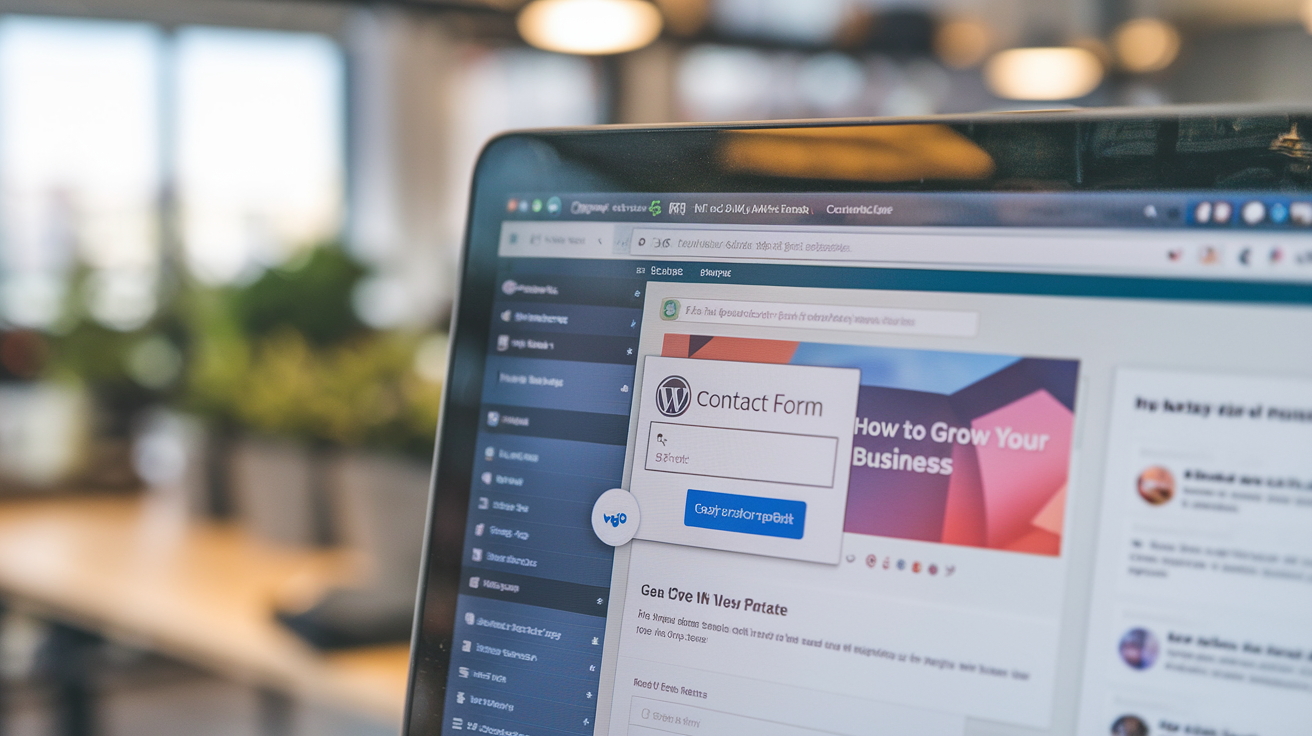
A WordPress contact form setup for increased user interaction and lead generation, essential for businesses looking to grow online.
Once you build your own website with a solid foundation and engaging content, adding essential features can elevate its functionality, user experience, and search visibility. The best part? Many of these enhancements require no coding skills and can be implemented using plugins, add-ons, or built-in features on popular platforms. Here’s how to create your own website with essential features that optimize usability, boost security, and enhance SEO.
Key Functionalities to Enhance User Experience
A website’s functionality directly impacts user satisfaction. With plugins and add-ons, you can easily introduce features that keep users engaged and encourage interaction.
- Contact Forms: Make it simple for visitors to reach out by adding a contact form to your site. Many platforms have form-builder plugins, like WPForms on WordPress, that allow you to customize forms without any code.
- Image Galleries and Media: Showcase your work, products, or projects with visually appealing galleries. Tools like NextGEN Gallery for WordPress allow you to add image galleries and slideshows.
- Social Media Integration: Integrating social media icons and share buttons allows visitors to engage with your brand across multiple platforms. This can be done using simple plugins, helping you extend your reach.
Beginner-Friendly SEO Plugins
Effective search engine optimization is crucial for driving organic traffic, but it doesn’t have to be complicated. Using SEO plugins designed for beginners, you can optimize your website for search engines with minimal effort.
- Yoast SEO (WordPress): This popular plugin makes SEO simple by guiding you through key elements like meta descriptions, keywords, and readability scores. Yoast provides feedback on each page’s SEO and helps you follow best practices, so you rank higher in search results.
- Rank Math (WordPress): Another beginner-friendly option, Rank Math, offers advanced features like keyword tracking and SEO analysis while remaining user-friendly. Both plugins support how to make your own website visible to a broader audience by optimizing each page.
Security and Performance Enhancements
Maintaining website security and performance is essential to protect user data and ensure a smooth experience. Here are a few ways to boost both without any coding.
- SSL Certificates: Secure Socket Layer (SSL) certificates are essential for encrypting data and building user trust. Most platforms or hosting providers offer easy SSL installation, often included in their packages, adding the “https” to your URL for a secure browsing experience.
- Caching and Speed Optimization: Fast load times are critical for retaining visitors. Plugins like WP Super Cache or Autoptimize for WordPress help reduce load times by caching your pages and optimizing code.
- Regular Backups: Protect your content by regularly backing up your site. Plugins like UpdraftPlus automatically save your site data, so you can restore it if issues arise.
Adding these essential features ensures your website is fully functional, user-friendly, and optimized for search engines. By using plugins and built-in platform tools, you can create your own website that performs well, looks professional, and provides a secure experience for your visitors—all without touching a line of code.
With the right mix of plugins, you’ll set up a website that not only meets your goals but also keeps users engaged and satisfied.
Testing and Launching Your Website
After all the hard work of creating content, designing layouts, and adding features, it’s time to test and launch your website. Proper testing ensures your site delivers a seamless user experience across all devices and browsers, which is essential to build your own website successfully. Here’s how to wrap up your project and launch with confidence.
Testing Tips: Ensuring Device and Browser Compatibility
As you create your own website, it’s vital to verify that it functions smoothly for all users, regardless of device or browser. Here are some essential testing steps:
- Cross-Device Testing: Ensure your website is mobile-friendly by testing it on various devices, such as smartphones, tablets, and desktops. Most website platforms offer previews for different screen sizes, but testing on actual devices is recommended for accuracy.
- Browser Compatibility: Test your website on major browsers, including Chrome, Firefox, Safari, and Edge. Differences in browser rendering can sometimes affect the appearance or functionality of certain elements.
- Navigation and Links: Go through each page to confirm that all links and menu items work as intended. Broken links or missing buttons can frustrate visitors, so double-check all internal and external links.
Pre-Launch Checklist: Final Touches for a Smooth Launch
Before going live, run through this checklist to make sure your website is fully optimized and polished:
- Page Load Speed: Ensure fast loading times by optimizing images and minimizing large files. Speed can impact both SEO and user experience, so it’s crucial to address any delays.
- SEO Basics: Review each page’s SEO settings. Check that all meta descriptions, keywords, and alt text are in place and optimized. Using SEO plugins can streamline this process and help boost your site’s visibility.
- Readability and Spelling: Go over your content to confirm it’s clear, concise, and free of grammatical errors. It’s easy to overlook typos, so consider using proofreading tools or asking a colleague to review your content.
- SSL and Security: Double-check that your SSL certificate is active, ensuring your website is secure for visitors.
Launching and Promoting Your Website
Once testing is complete, it’s time to launch. A well-promoted launch can generate excitement and attract your target audience to your new website.
- Social Media Sharing: Announce your website’s launch on social media platforms like Facebook, LinkedIn, and Instagram. Include a compelling description and a clear link to drive visitors to your site.
- Email Newsletter: Send an email to your subscribers, introducing them to your new website. Highlight what they can expect to find, such as helpful resources, new products, or an exciting blog section.
- Collaborate and Network: Reach out to industry influencers or partners who may be interested in sharing your website with their followers. Networking is a powerful way to expand your reach and build credibility.
Completing these steps prepares your site for a successful launch, ensuring a smooth experience for your audience. Testing thoroughly and promoting effectively are key to making sure all the effort to build your own website translates into a positive, impactful launch.
Now that you know how to make your own website and have taken all necessary steps for a successful launch, you’re ready to share your brand with the world. Embrace this final phase with enthusiasm, and watch your website connect with new audiences and help you reach your goals.
Post-Launch Maintenance and Updates
After the excitement of launching, your work doesn’t end there. Regular maintenance and updates are essential to ensure your site remains secure, engaging, and functional. Once you build your own website, keeping it updated and performing optimally is crucial to sustain growth and retain visitors.
Importance of Regular Updates and Maintenance
Maintaining a website goes beyond its initial setup. When you create your own website, you’ll need to prioritize regular updates to keep it secure and relevant. Key aspects include:
- Security Checks: Regular updates help protect your site against potential security threats. Ensure that any plugins, themes, and platforms you use are updated promptly to guard against vulnerabilities.
- Backups: Set up regular backups so you can quickly recover your site if any issues arise. Many platforms and hosting providers offer automatic backup options, allowing you to safeguard your content without manual effort.
- Performance Optimization: Over time, images, plugins, and other elements can slow down your site. Regularly review page load times and optimize any large files or outdated plugins to keep your website running smoothly.
Keeping Content Fresh and Relevant
To engage your audience and maintain good search engine rankings, it’s important to update your website content periodically. Here’s how you can keep your site’s information valuable and up-to-date:
- Blog and Article Refresh: Keep your blog active by posting new content regularly. This can include industry updates, tutorials, or engaging stories that reflect your brand. If you create your own website with a blog section, frequent posts help boost SEO and engage returning visitors.
- Product or Service Updates: If your business evolves with new offerings, make sure to update your website to reflect these changes. This ensures that your visitors have accurate, up-to-date information.
- Content Revisions: Periodically review your core pages (like About, Services, and Contact) to ensure they accurately represent your brand’s vision and current goals. Small updates to your messaging can go a long way in keeping your website relevant and trustworthy.
Monitoring Performance with Analytics
Tracking your website’s performance helps you understand what’s working and where improvements can be made. For those who build your own website, understanding analytics is crucial to making data-driven decisions.
- Google Analytics: Install Google Analytics to monitor visitor data, such as traffic sources, user demographics, and popular pages. This tool provides insights into which content resonates most with your audience.
- User Behavior: Analytics can show you how visitors interact with your site, identifying pages where users may drop off or spend less time. Use this information to improve user experience and optimize poorly performing pages.
- SEO Performance: Track keyword rankings, bounce rates, and other SEO metrics to determine how well your site is performing in search engine results. This information can guide content updates and adjustments for improved SEO.
By implementing these post-launch practices, you’ll ensure that the work you put into how to make your own website continues to pay off. Regular updates, fresh content, and performance monitoring keep your site relevant and engaging, helping your website remain a strong asset as your brand grows.
DIY vs. Hiring a Web Development Company

Choosing between DIY and hiring a web development company can shape your online presence. Here’s what to consider for building your website.
When it comes to managing your website, you have two main options: maintaining a DIY approach or hiring a professional web development company. Deciding between the two depends on factors like your budget, goals, technical knowledge, and the scale at which you want to grow your site. Here’s a breakdown to help you understand when it’s best to build your own website and when professional help might be essential.
DIY Approach: The Pros and Cons
If you’ve opted to create your own website, you’re likely using beginner-friendly platforms like WordPress, Wix, or Squarespace. These platforms allow non-tech users to design functional websites without coding expertise. Here’s what to consider:
Pros of DIY:
- Cost-Effective: DIY platforms are often more budget-friendly, ideal for startups or personal projects with limited funds.
- Creative Control: With a DIY website, you can manage updates, design tweaks, and content at your own pace.
- Quick Launch: For simple websites, DIY platforms offer quick setup options, allowing you to build your own website and get online fast.
Cons of DIY:
- Limited Customization: While DIY builders are versatile, they may lack the advanced customization options required for complex features or scaling.
- Time-Consuming: If you’re handling everything solo, maintaining the site, managing updates, and troubleshooting can be time-consuming.
- Potential SEO and Performance Limitations: DIY platforms may not always provide robust SEO tools, which can affect your site’s performance and visibility.
Hiring a Web Development Company: When It’s the Right Choice
For certain projects, investing in a professional web development company can offer advantages that go beyond the DIY approach, especially if you’re aiming to grow your website in terms of functionality and reach. Here’s why hiring a professional can be beneficial:
Advantages of Hiring a Web Development Company:
- Customization and Scalability: If you’re looking for advanced features, complex integrations, or unique branding, an agency provides the expertise to bring that vision to life.
- SEO and Performance Optimization: Professionals can help with on-page and technical SEO, ensuring that your website ranks well on search engines and loads quickly. This is especially valuable if you want your site to compete effectively.
- Long-Term Support: Agencies often offer maintenance and support packages to handle regular updates, security checks, and troubleshooting, freeing up your time to focus on other aspects of your business.
When to Consider a Web Development Company:
- Scaling Beyond the Basics: If your website needs custom features, such as e-commerce capabilities or a membership portal, an agency has the resources and knowledge to implement these elements effectively.
- Building a Strong Brand Presence: A web development company can ensure your site aligns with your brand’s identity and long-term goals, making it a memorable and trusted platform.
- Time Constraints: If you’re short on time or lack technical skills, outsourcing to professionals can fast-track your project without compromising quality.
If you’re considering hiring an agency for added support, check out our article on Finding the Perfect Web Development Company for Your Startup to explore more about partnering with a professional team.
Making the Choice: DIY or Professional?
Choosing between DIY and hiring a web development company depends on your startup’s specific needs and future growth plans. Starting with a DIY approach is often sufficient for simple websites, allowing you to create your own website with limited upfront costs. However, as your business scales, a professional web development agency can take your site to the next level, adding features and functionality to meet evolving demands.
Ultimately, knowing how to make your own website is a valuable skill, but leveraging the expertise of professionals can help you create a powerful, scalable online presence that supports your business’s growth for years to come.
Conclusion
Building a website has never been easier, and for startups or personal projects, understanding how to make your own website with no coding skills can open up a world of opportunities. With today’s tools, you can create your own website that’s not only visually appealing but also functional and responsive.
Let’s recap the steps to build your own website:
- Define your goals and audience so your site speaks directly to your target visitors.
- Choose the right platform for ease of use and scalability.
- Design a cohesive brand and intuitive layout that enhance user experience.
- Create engaging content and optimize it for SEO to improve visibility.
- Add essential features like CTAs and social media links to drive engagement.
- Test thoroughly before launching, ensuring your website performs well across devices.
- Maintain and update your site regularly for security, performance, and fresh content.
For beginners, experimenting with no-code tools is a fantastic way to get hands-on with your vision. And if you ever feel the need for advanced customization, don’t hesitate to reach out to a web development company for support. Your website is a key part of your brand, so whether you build your own website or collaborate with professionals, make sure it reflects your unique goals and values.
Frequently Asked Question’s
1. How long does it take to build your own website with no coding skills?
The time needed to create your own website without coding varies based on the platform and complexity. For a simple site on platforms like Wix or Squarespace, you can have it live in a few hours. However, to build your own website with more customization or e-commerce features, you may spend a few days or weeks refining the details.
2. What is the best platform for a beginner to create your own website?
For beginners learning how to make your own website, platforms like Wix, Squarespace, and WordPress.com are excellent choices. They offer easy drag-and-drop interfaces, built-in templates, and features ideal for non-coders, giving you the flexibility to build your own website without technical knowledge.
3. How much does it cost to make a website without coding?
Costs can vary based on the platform and features. Basic plans on DIY platforms range from $10–$30 per month. For those who want to build your own website with premium features, custom domains, and e-commerce capabilities, the price can go up to $100 or more monthly. However, these platforms still remain cost-effective compared to custom development.
4. How can I make my website look professional?
To create a professional-looking website, focus on cohesive design elements: use a clean layout, consistent color scheme, and high-quality images. User-friendly navigation, mobile responsiveness, and strategic use of call-to-action (CTA) buttons are essential. How to make your own website look professional often starts with choosing a well-designed template and customizing it with your brand’s visuals and messaging.
5. What are the benefits of hiring a web development company?
While DIY platforms are excellent for beginners, a web development company can offer advanced customization, unique branding, and technical support. Hiring professionals is ideal if you need complex functionalities or want a website that can scale with your business. A web development company also ensures that aspects like SEO, security, and performance are optimized, saving you time and providing peace of mind as you build your own website for long-term success.
Ready to dive in? Whether you decide to DIY or consult a web development company, this guide gives you the confidence to create a website that fits your needs. Happy building!
The post How to Make Your Own Website Fast and Hassle-Free appeared first on Best Media Agency.
]]>A dedicated website does more than showcase products or services—it builds credibility, engages potential customers, and communicates the brand’s unique identity from the outset. Startups face steep competition, and a well-designed website helps them stand out by delivering key messages, establishing authority, and reaching a global audience quickly and cost-effectively.
Additionally, websites serve as a platform where startups can share their brand story, mission, and values, creating a relatable image that resonates with their target audience. In essence, a powerful online presence can become a startup’s most valuable digital asset, driving customer acquisition and supporting sustainable growth.
Why Every Startup Needs a Website
Building a website for startups isn’t just a trend; it’s a powerful tool that can drive brand visibility, foster customer trust, and set the foundation for business growth. Today, having a digital footprint is essential for any business, especially for startups aiming to gain traction quickly and compete with established brands. Here’s why:
Boosting Brand Visibility and Credibility
A website increases a startup’s visibility in ways traditional marketing can’t match. When potential customers search online for products or services, having a professional website improves the chances of them finding and trusting your business. A cohesive, well-designed site signals to visitors that your brand is credible and serious about meeting their needs.
Cost-Effective Customer Acquisition
Compared to traditional advertising methods, a website offers a more affordable way for startups to reach their target audience. Through various digital marketing techniques—like SEO, content marketing, and social media—startups can drive traffic to their website at a fraction of the cost of physical ads. Plus, with analytics, startups can measure the success of these methods in real-time and make data-driven decisions.
To further understand the importance of a unified online identity, check out our article on Why Brand Identity and Brand Guidelines Matter for Success, where we dive into the significance of presenting a consistent brand image across all digital channels.
Key Benefits of a Startup Website:
- 24/7 Accessibility: A website allows customers to access information anytime, improving accessibility and potentially increasing customer engagement.
- Customer Insights: A website lets startups collect valuable data, such as visitor demographics and preferences, helping tailor marketing strategies.
- Market Expansion: Digital platforms enable startups to reach a global audience from the get-go, making it easier to expand and explore new markets.
A website is an essential asset that supports brand growth, customer acquisition, and long-term success.
What Makes a Great Startup Website?
Creating an impactful website for startups goes beyond aesthetic appeal; it’s about functionality, user experience, and brand messaging. Here’s what to keep in mind to create a site that stands out:
1. Simplicity and Clear Messaging
The best startup websites have a clean, simple layout that’s easy to navigate. A clutter-free design ensures users can find what they need without distraction. The message on your site should be clear, concise, and speak directly to your audience. Highlight your unique value proposition upfront—what makes your startup different from others?
2. Strong Branding Elements
Your startup’s website should reflect your brand’s identity with consistent use of colors, fonts, and logos. This reinforces your brand message and builds recognition. A distinct color palette, typography, and design style create a memorable user experience that sets your startup apart from the competition.
For a deeper dive into building effective branding across digital platforms, refer to our article What Makes Online Branding Effective.
3. User-Centric Design
A well-designed website for startups should prioritize user experience, making navigation intuitive and ensuring fast load times. Responsive design is key, allowing the site to adapt seamlessly to all devices, so visitors easily find information about your startup’s offerings, values, and contact details. Including clear calls-to-action (CTAs) such as “Sign Up Now” or “Learn More” effectively guides users through the site, boosting engagement and supporting conversion goals.
4. Effective Call-to-Action Buttons
CTAs are crucial for conversions, helping guide users to take actions like signing up, purchasing, or contacting your team. Use action-driven language that aligns with your brand’s tone to make CTAs compelling and direct. Place these buttons strategically to maximize user engagement.
External Example
A well-regarded resource like Wix offers guidelines and templates that highlight user-friendly, startup-friendly web designs, making it easier for entrepreneurs to visualize effective layouts and engaging features for their own websites.
Key Elements for Designing a Website for Startups
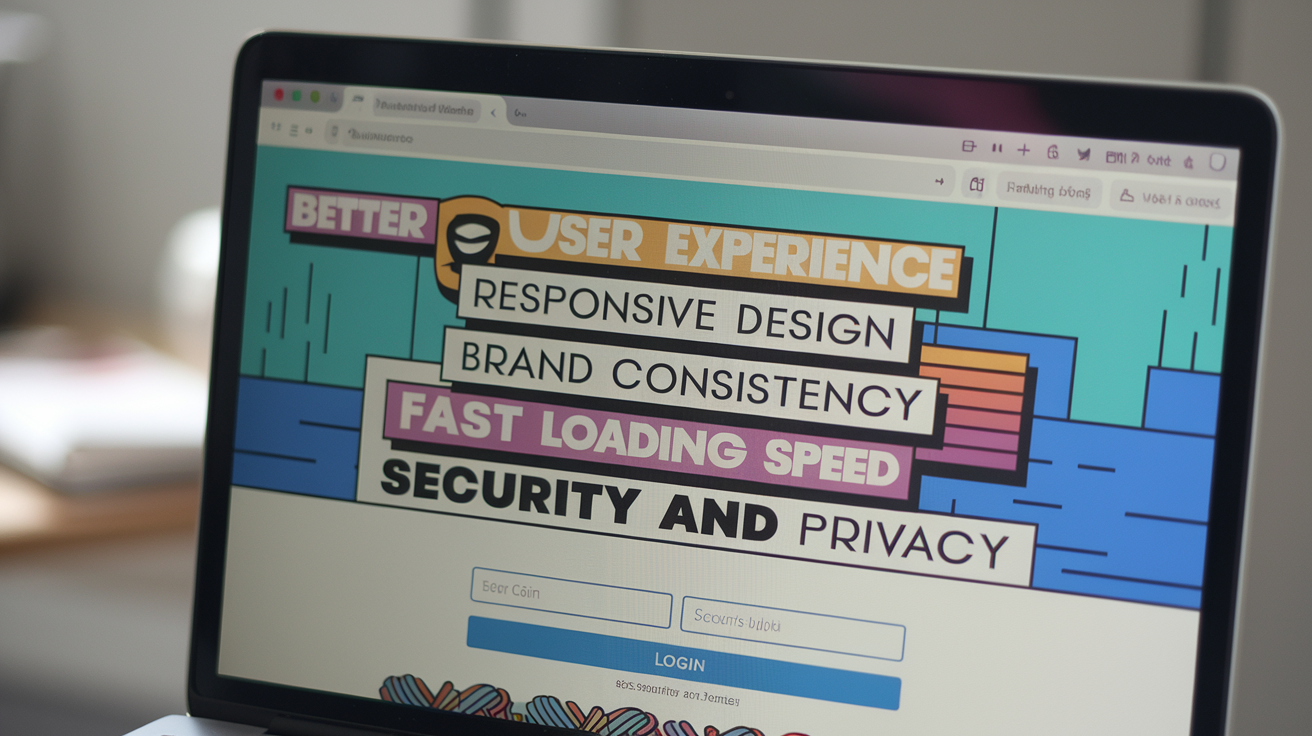
A visually engaging outline of must-have elements for startup websites, emphasizing user experience, brand consistency, and security.
Creating an engaging website for startups involves integrating specific elements that ensure both functionality and appeal. Here’s a breakdown of the essentials every startup site needs to succeed:
1. Domain Name and Hosting
A memorable domain name is your startup’s first impression online. Choose one that is simple, reflects your brand, and is easy to spell. Along with this, opt for a reliable hosting provider to ensure your site is fast, secure, and accessible around the clock. Many startups benefit from platforms that offer integrated hosting options, such as WordPress and Wix.
2. Responsive Design
For a successful website for startups, it’s essential to have a responsive design that adapts effortlessly to various screen sizes, especially since most users are now browsing on mobile devices. This adaptability ensures a seamless experience across all devices, boosting user engagement and positively impacting SEO performance.
3. Brand Consistency
Your website should echo your brand’s identity, which means consistently using your brand’s colors, fonts, and style throughout. Consistency helps reinforce brand recognition and conveys professionalism. Consider creating a brand style guide to maintain consistency across all digital channels. For a deeper dive into the importance of brand guidelines, check out our article Why Brand Identity and Brand Guidelines Matter for Success.
4. Fast Loading Speed
Page speed is crucial—websites that load within three seconds retain significantly more visitors. Ensure your site is optimized with compressed images, minimal plugins, and clean code to keep loading times short. Fast-loading sites also rank better on search engines, attracting more traffic and creating a positive user experience.
5. Security and Privacy
Startups often overlook security, but it’s critical for user trust. Basic measures include an SSL certificate, which encrypts data and shows users your site is secure. For startups handling personal data, ensure compliance with data privacy laws, especially if your startup operates globally.
Need help finding the right design team for a startup website? Our Ultimate Guide to Choosing the Right Website Design Agency covers how to evaluate and select experts in web design, ensuring you partner with a team that understands your brand’s vision.
Steps to Building a Startup Website
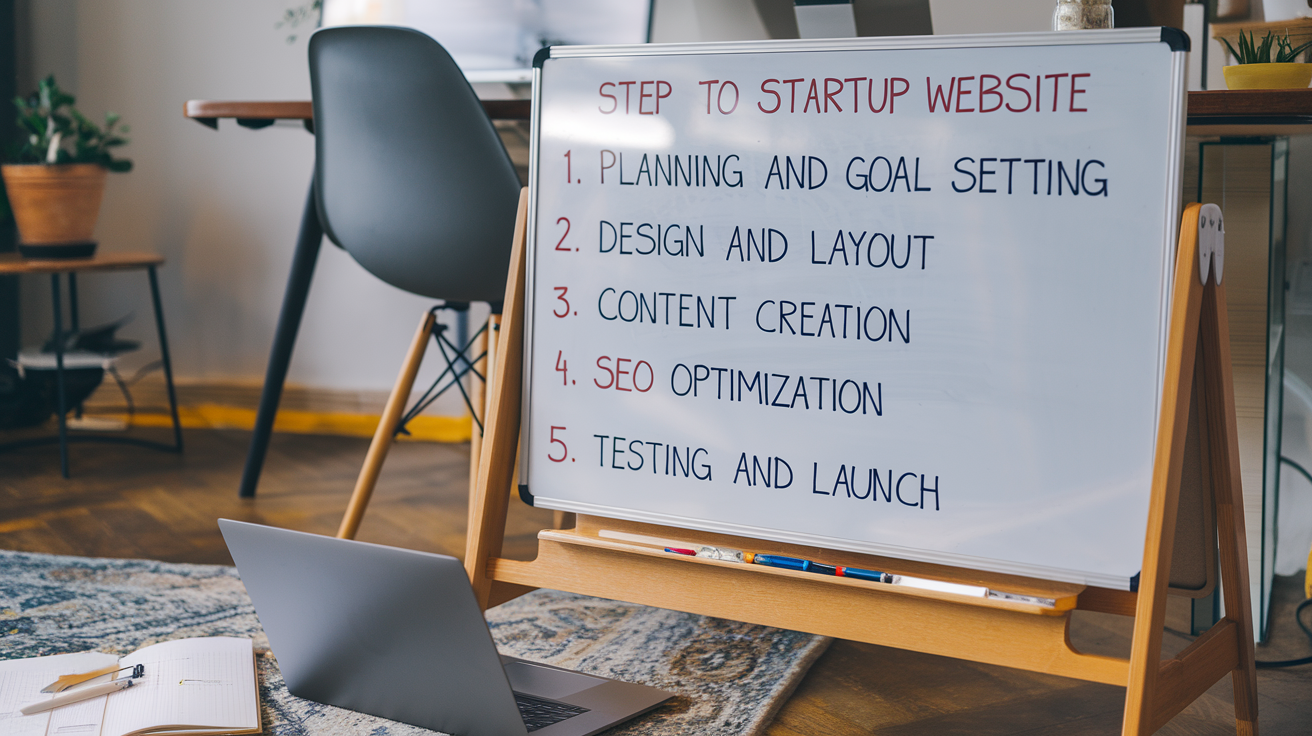
Key steps for building a startup website, from goal setting and design to SEO and launch testing.
Creating an effective website for startups involves clear, actionable steps. Here’s a practical guide to help startups design a website that communicates their mission, appeals to users, and drives engagement.
1. Planning and Goal Setting
Start by defining the main purpose of your website. Are you selling products, building a brand, or showcasing a service? Clarify goals for your site and the needs of your target audience, as this will shape every other step. A well-defined plan ensures your website aligns with business objectives.
2. Design and Layout
When creating a website for startups, aim for a design that captures your brand’s unique identity while maintaining simplicity and usability. Minimalist designs work particularly well for startups—they’re clean, intuitive, and keep users focused on the essentials. Choose colors, fonts, and images that reflect your brand’s character, ensuring all elements align seamlessly. If you’re new to design, website builders like Wix and Squarespace offer templates that balance visual appeal with functionality, making it easier to create a professional and engaging website for startups.
3. Content Creation
Each page on your site should have relevant, engaging content. Essential pages include:
- Homepage: Summarizes what your brand offers and hooks visitors.
- About Page: Shares your brand story, mission, and values.
- Product or Service Pages: Clearly detail what you offer.
- Contact Page: Make it easy for customers to reach out with questions or feedback.
Consistent tone and messaging across these pages help build brand recognition. For insight into maintaining brand identity, see What Makes Online Branding Effective.
4. SEO Optimization
For a successful website for startups, optimizing each page for search engines is essential to increase online visibility. Basic SEO practices, such as including relevant keywords, optimizing images, and crafting meta descriptions for each page, can make a significant difference. By implementing these strategies, startups can attract organic traffic effectively, reaching potential customers without large advertising costs. SEO is a valuable tool for startups looking to grow their audience and gain traction in a competitive digital landscape.
5. Testing and Launch
Before going live, test the site’s functionality across various devices and browsers to ensure smooth user experiences. Check all links, forms, and load times. After thorough testing, launch the site and continue monitoring it to fix any unforeseen issues.
For those looking to dive deeper into SEO essentials, Moz’s Beginner’s Guide to SEO is a comprehensive resource that helps even non-experts enhance their site’s search visibility.
Website Features Essential for Startups
Creating a website for startups isn’t just about having an online presence; it’s about building a platform that supports your growth, attracts the right audience, and communicates your value clearly. Here’s a rundown of critical features every startup website should incorporate.
1. Homepage
The homepage is often the first point of contact with potential customers. It should capture the essence of your startup, include an engaging headline, and explain what your startup offers. This page should clearly direct visitors to other parts of the site, whether it’s through product highlights, call-to-action (CTA) buttons, or direct links to relevant sections.
2. About Page
A well-crafted About page goes beyond general descriptions; it tells your startup’s story, outlines your mission, and humanizes your brand. This section builds trust and allows potential customers to connect with your brand’s purpose. Startups should also highlight any unique achievements, values, or noteworthy partnerships here.
3. Product or Service Pages
Clearly describe your products or services, including visuals, benefits, and any unique selling points (USPs). These pages should communicate value effectively and guide visitors on how your offerings solve specific problems. Use simple language and high-quality visuals, which are especially helpful in capturing your audience’s interest and converting it into leads.
4. Blog
A blog is a powerful tool for building authority in your industry and establishing your brand voice. Regular blog updates improve SEO, help engage your audience, and position your startup as a knowledgeable resource. For additional insights on the power of consistent brand messaging, see our guide on What Makes Online Branding Effective.
5. Contact Page
The Contact page should be easy to find and navigate, with clear information on how visitors can reach you. Including a contact form, email, phone number, and links to social media platforms can make it simple for visitors to get in touch, ask questions, or provide feedback.
For those just getting started on their website journey, check out The Ultimate Guide to Choosing the Right Website Design Agency to find the right design partner for your needs.
Common Mistakes to Avoid While Building A Website for Startups
Creating a website for startups is an exciting journey, but common pitfalls can hinder your site’s effectiveness and user experience. Here’s a look at some of the mistakes to watch out for:
1. Overloading with Features
New startups often try to cram too many features into their website, thinking it will attract a broader audience. In reality, a cluttered design and excess functionality can overwhelm visitors. Focus on a clean, user-friendly interface and include only the essential features that serve your business goals.
2. Neglecting SEO and Responsiveness
SEO and mobile-friendliness are essential for visibility and accessibility. An optimized website improves search rankings and helps potential customers find you easily. With most users accessing websites from mobile devices, having a responsive design is critical. Neglecting these aspects can reduce traffic and diminish engagement.
3. Ignoring User Experience in Favor of Aesthetics
When designing a website for startups, it’s essential to balance visual appeal with user experience (UX). While an attractive website catches users’ attention, the true value lies in a smooth, functional experience that keeps visitors engaged. A user-friendly website for startups should load quickly, be easy to navigate, and provide intuitive access to information. By prioritizing both aesthetics and UX, you create an inviting environment that not only captures visitors’ interest but also encourages them to explore more deeply, supporting long-term engagement and brand loyalty.
4. Inconsistent Branding
Startups often overlook the importance of consistent branding. Mismatched logos, colors, or messaging across different pages and platforms create a fragmented image that can confuse potential customers. Consistency is key to building trust and brand recognition.
For more insights on maintaining consistency, read our article on Why Brand Identity and Brand Guidelines Matter for Success.
5. Weak Call-to-Actions (CTAs)
CTAs are vital for guiding users toward taking action, such as signing up for a newsletter or purchasing a product. Avoid generic CTAs like “Click Here” and instead use descriptive language like “Explore Our Services” or “Get Your Free Consultation.”
With these common errors in mind, you can create a user-friendly, consistent, and effective startup website.
How to Choose a Web Development Approach
When building a website for startups, you have a few main options to consider for development: doing it yourself (DIY), using a website builder, or hiring a professional agency. Each approach has unique advantages and challenges, depending on your budget, expertise, and long-term goals.
1. DIY with Content Management Systems (CMS)
Platforms like WordPress or Joomla are popular among startups because they provide flexibility without requiring in-depth technical knowledge. A DIY approach allows you to learn as you go, tailoring your website’s features and aesthetics according to your brand vision.
- Pros:
- Greater control over design and customization.
- Cost-effective as you only need to cover hosting and a domain.
- Easy access to themes, plugins, and a supportive community.
- Cons:
- Requires time and a willingness to learn.
- Customization may be limited unless you have coding skills.
- Ongoing maintenance and troubleshooting are the user’s responsibility.
2. Website Builders (e.g., Wix, Squarespace)
Website builders simplify the development process through drag-and-drop interfaces, making them ideal for startups wanting a fast, easy setup. These platforms typically offer a range of templates and customization options, enabling you to create a professional-looking website without coding knowledge.
- Pros:
- User-friendly with minimal technical skills needed.
- Offers built-in hosting, security, and maintenance.
- Affordable, with clear pricing plans for startups on a budget.
- Cons:
- Limited scalability, which can hinder long-term growth.
- Restricted customization and less flexibility.
- Some website builders are less SEO-friendly than custom solutions.
3. Hiring a Professional Agency
For startups with specific branding needs and a long-term growth strategy, a professional web design agency may be the best choice. An agency can create a customized website tailored to your startup’s unique identity and goals, ensuring quality in both design and functionality.
- Pros:
- Professional-level design and functionality tailored to your needs.
- SEO-friendly, optimized for user experience and conversions.
- Ongoing support for updates, maintenance, and scalability.
- Cons:
- Typically the most expensive option.
- Requires a vetting process to find the right agency for your needs.
- Development may take longer, as agencies follow a detailed design and development process.
Weighing Your Options
Choosing the best approach to build a website for startups depends on key factors such as budget, technical skills, and the unique needs of your business. For simpler websites with basic functionality, DIY platforms or website builders can be affordable and accessible options, ideal for startups on a tight budget. However, if your goal is to create a scalable, professional website that supports long-term growth, partnering with a professional agency can provide the expertise and strategic support needed to bring your vision to life effectively.
To learn more about the pros and cons of each approach, check out our guide on Web Development: How Appropriate It Is to Do on Your Own. This will help you determine the right fit for your startup’s unique needs.
Frequently Asked Questions for Building a Website for Startups
A website for startups often raises common questions about the essentials, costs, features, and overall importance. Here are some key FAQs that address these topics, designed to help new business owners make informed decisions.
What is a startup website?
A startup website is a dedicated digital platform created to introduce and promote a new company’s products, services, or mission to potential customers, investors, and partners. Designed with the unique needs of emerging businesses in mind, a website for startups often emphasizes a clean, straightforward layout that highlights the brand’s core message and value proposition.
Such websites are typically crafted to showcase brand identity through cohesive visuals, color schemes, and messaging that resonate with target audiences. The design is usually user-friendly, focusing on easy navigation, mobile compatibility, and quick loading times to enhance accessibility and user experience. A startup website acts as the central online hub, aiming to build credibility, generate interest, and encourage engagement with the brand.
Does my startup need a website?
Absolutely, having a website is crucial for startups. A well-designed website for startups establishes a professional online presence, enhances credibility, and serves as a vital platform for engaging with customers. It acts as a central hub for brand information, offering visitors insight into your startup’s mission, products, and services, while also providing channels for customer support. For startups, a website is more than just an online address; it’s a powerful tool for driving visibility, fostering customer trust, and creating a lasting impression that can set you apart in a competitive market. Additionally, a website optimized for search engines can help your startup reach a broader audience, attracting potential customers and investors.
How much does it cost to build a startup website?
Costs vary widely based on complexity, features, and development approach. DIY sites on platforms like WordPress can cost a few hundred dollars, while custom-designed websites by an agency might range from $3,000 to $10,000 or more. For cost-effective options and professional support, check out The Ultimate Guide to Choosing the Right Website Design Agency.
What should be included in my startup website?
A website for startups should include essential pages like a homepage that highlights your value proposition, an about page to share your story and build credibility, product or service pages with detailed descriptions and customer testimonials, and a contact page for easy connection. Adding a blog or resource section can drive engagement and improve SEO by sharing relevant insights.
Incorporate consistent brand elements, such as your logo, color scheme, typography, and messaging, to create a professional, memorable experience. Lastly, ensure your site is mobile-friendly and optimized for fast loading to enhance user experience.
How can I make my startup website stand out?
To make a startup website truly stand out, it’s essential to focus on a few key elements that resonate with users and reflect your brand’s unique identity. Start with cohesive branding—ensure your logo, color scheme, and typography align with your startup’s values and appeal to your target audience. Strong, high-quality visuals can capture attention immediately, so invest in custom graphics, professional photography, or engaging videos to bring your brand to life.
Engaging content is equally critical; craft clear, compelling copy that speaks directly to your audience’s needs and highlights your startup’s solutions. Additionally, applying user experience (UX) principles is vital. Prioritize a clean, intuitive layout with easy navigation, as well as quick load times, which not only improve customer engagement but also enhance your SEO rankings. Finally, consider interactive elements like customer testimonials, blogs, or even a live chat feature, which can help make your website for startups feel more dynamic and accessible, setting you apart from competitors.
What are brand guidelines, and why do they matter?
Brand guidelines are a set of standards that define how your brand elements (logos, fonts, colors) are used consistently across platforms. They help ensure your brand’s look and message remain consistent, building trust and recognition. For more insights, visit Why Brand Identity and Brand Guidelines Matter for Success.
The post 10 Essential Tips for Building a Website for Startups appeared first on Best Media Agency.
]]>