A dedicated website does more than showcase products or services—it builds credibility, engages potential customers, and communicates the brand’s unique identity from the outset. Startups face steep competition, and a well-designed website helps them stand out by delivering key messages, establishing authority, and reaching a global audience quickly and cost-effectively.
Additionally, websites serve as a platform where startups can share their brand story, mission, and values, creating a relatable image that resonates with their target audience. In essence, a powerful online presence can become a startup’s most valuable digital asset, driving customer acquisition and supporting sustainable growth.
Why Every Startup Needs a Website
Building a website for startups isn’t just a trend; it’s a powerful tool that can drive brand visibility, foster customer trust, and set the foundation for business growth. Today, having a digital footprint is essential for any business, especially for startups aiming to gain traction quickly and compete with established brands. Here’s why:
Boosting Brand Visibility and Credibility
A website increases a startup’s visibility in ways traditional marketing can’t match. When potential customers search online for products or services, having a professional website improves the chances of them finding and trusting your business. A cohesive, well-designed site signals to visitors that your brand is credible and serious about meeting their needs.
Cost-Effective Customer Acquisition
Compared to traditional advertising methods, a website offers a more affordable way for startups to reach their target audience. Through various digital marketing techniques—like SEO, content marketing, and social media—startups can drive traffic to their website at a fraction of the cost of physical ads. Plus, with analytics, startups can measure the success of these methods in real-time and make data-driven decisions.
To further understand the importance of a unified online identity, check out our article on Why Brand Identity and Brand Guidelines Matter for Success, where we dive into the significance of presenting a consistent brand image across all digital channels.
Key Benefits of a Startup Website:
- 24/7 Accessibility: A website allows customers to access information anytime, improving accessibility and potentially increasing customer engagement.
- Customer Insights: A website lets startups collect valuable data, such as visitor demographics and preferences, helping tailor marketing strategies.
- Market Expansion: Digital platforms enable startups to reach a global audience from the get-go, making it easier to expand and explore new markets.
A website is an essential asset that supports brand growth, customer acquisition, and long-term success.
What Makes a Great Startup Website?
Creating an impactful website for startups goes beyond aesthetic appeal; it’s about functionality, user experience, and brand messaging. Here’s what to keep in mind to create a site that stands out:
1. Simplicity and Clear Messaging
The best startup websites have a clean, simple layout that’s easy to navigate. A clutter-free design ensures users can find what they need without distraction. The message on your site should be clear, concise, and speak directly to your audience. Highlight your unique value proposition upfront—what makes your startup different from others?
2. Strong Branding Elements
Your startup’s website should reflect your brand’s identity with consistent use of colors, fonts, and logos. This reinforces your brand message and builds recognition. A distinct color palette, typography, and design style create a memorable user experience that sets your startup apart from the competition.
For a deeper dive into building effective branding across digital platforms, refer to our article What Makes Online Branding Effective.
3. User-Centric Design
A well-designed website for startups should prioritize user experience, making navigation intuitive and ensuring fast load times. Responsive design is key, allowing the site to adapt seamlessly to all devices, so visitors easily find information about your startup’s offerings, values, and contact details. Including clear calls-to-action (CTAs) such as “Sign Up Now” or “Learn More” effectively guides users through the site, boosting engagement and supporting conversion goals.
4. Effective Call-to-Action Buttons
CTAs are crucial for conversions, helping guide users to take actions like signing up, purchasing, or contacting your team. Use action-driven language that aligns with your brand’s tone to make CTAs compelling and direct. Place these buttons strategically to maximize user engagement.
External Example
A well-regarded resource like Wix offers guidelines and templates that highlight user-friendly, startup-friendly web designs, making it easier for entrepreneurs to visualize effective layouts and engaging features for their own websites.
Key Elements for Designing a Website for Startups
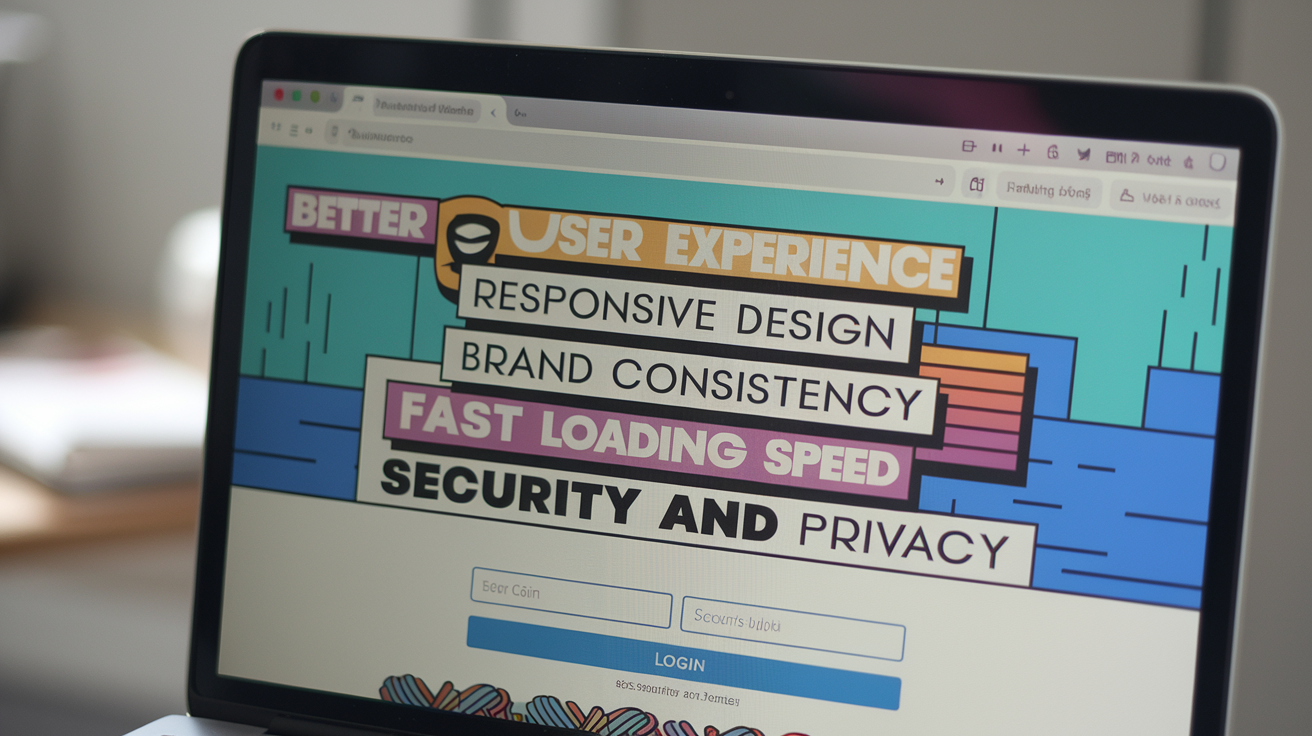
A visually engaging outline of must-have elements for startup websites, emphasizing user experience, brand consistency, and security.
Creating an engaging website for startups involves integrating specific elements that ensure both functionality and appeal. Here’s a breakdown of the essentials every startup site needs to succeed:
1. Domain Name and Hosting
A memorable domain name is your startup’s first impression online. Choose one that is simple, reflects your brand, and is easy to spell. Along with this, opt for a reliable hosting provider to ensure your site is fast, secure, and accessible around the clock. Many startups benefit from platforms that offer integrated hosting options, such as WordPress and Wix.
2. Responsive Design
For a successful website for startups, it’s essential to have a responsive design that adapts effortlessly to various screen sizes, especially since most users are now browsing on mobile devices. This adaptability ensures a seamless experience across all devices, boosting user engagement and positively impacting SEO performance.
3. Brand Consistency
Your website should echo your brand’s identity, which means consistently using your brand’s colors, fonts, and style throughout. Consistency helps reinforce brand recognition and conveys professionalism. Consider creating a brand style guide to maintain consistency across all digital channels. For a deeper dive into the importance of brand guidelines, check out our article Why Brand Identity and Brand Guidelines Matter for Success.
4. Fast Loading Speed
Page speed is crucial—websites that load within three seconds retain significantly more visitors. Ensure your site is optimized with compressed images, minimal plugins, and clean code to keep loading times short. Fast-loading sites also rank better on search engines, attracting more traffic and creating a positive user experience.
5. Security and Privacy
Startups often overlook security, but it’s critical for user trust. Basic measures include an SSL certificate, which encrypts data and shows users your site is secure. For startups handling personal data, ensure compliance with data privacy laws, especially if your startup operates globally.
Need help finding the right design team for a startup website? Our Ultimate Guide to Choosing the Right Website Design Agency covers how to evaluate and select experts in web design, ensuring you partner with a team that understands your brand’s vision.
Steps to Building a Startup Website
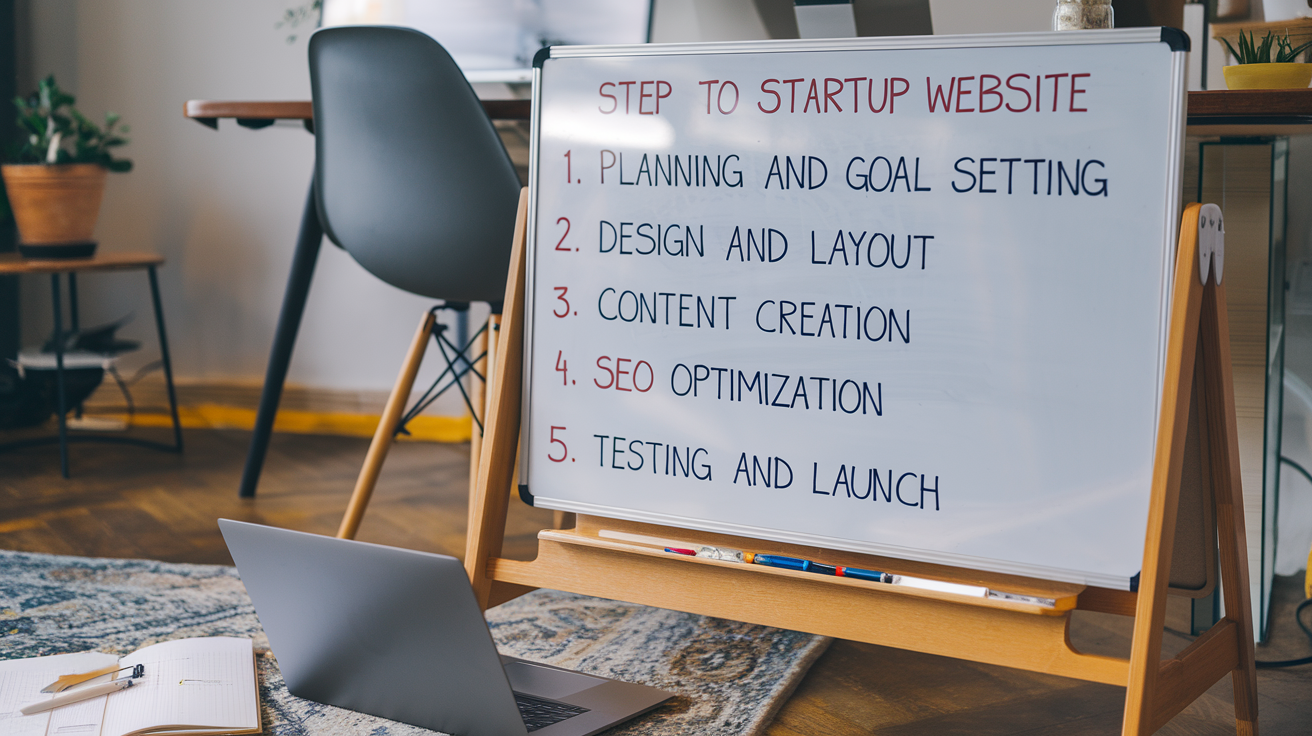
Key steps for building a startup website, from goal setting and design to SEO and launch testing.
Creating an effective website for startups involves clear, actionable steps. Here’s a practical guide to help startups design a website that communicates their mission, appeals to users, and drives engagement.
1. Planning and Goal Setting
Start by defining the main purpose of your website. Are you selling products, building a brand, or showcasing a service? Clarify goals for your site and the needs of your target audience, as this will shape every other step. A well-defined plan ensures your website aligns with business objectives.
2. Design and Layout
When creating a website for startups, aim for a design that captures your brand’s unique identity while maintaining simplicity and usability. Minimalist designs work particularly well for startups—they’re clean, intuitive, and keep users focused on the essentials. Choose colors, fonts, and images that reflect your brand’s character, ensuring all elements align seamlessly. If you’re new to design, website builders like Wix and Squarespace offer templates that balance visual appeal with functionality, making it easier to create a professional and engaging website for startups.
3. Content Creation
Each page on your site should have relevant, engaging content. Essential pages include:
- Homepage: Summarizes what your brand offers and hooks visitors.
- About Page: Shares your brand story, mission, and values.
- Product or Service Pages: Clearly detail what you offer.
- Contact Page: Make it easy for customers to reach out with questions or feedback.
Consistent tone and messaging across these pages help build brand recognition. For insight into maintaining brand identity, see What Makes Online Branding Effective.
4. SEO Optimization
For a successful website for startups, optimizing each page for search engines is essential to increase online visibility. Basic SEO practices, such as including relevant keywords, optimizing images, and crafting meta descriptions for each page, can make a significant difference. By implementing these strategies, startups can attract organic traffic effectively, reaching potential customers without large advertising costs. SEO is a valuable tool for startups looking to grow their audience and gain traction in a competitive digital landscape.
5. Testing and Launch
Before going live, test the site’s functionality across various devices and browsers to ensure smooth user experiences. Check all links, forms, and load times. After thorough testing, launch the site and continue monitoring it to fix any unforeseen issues.
For those looking to dive deeper into SEO essentials, Moz’s Beginner’s Guide to SEO is a comprehensive resource that helps even non-experts enhance their site’s search visibility.
Website Features Essential for Startups
Creating a website for startups isn’t just about having an online presence; it’s about building a platform that supports your growth, attracts the right audience, and communicates your value clearly. Here’s a rundown of critical features every startup website should incorporate.
1. Homepage
The homepage is often the first point of contact with potential customers. It should capture the essence of your startup, include an engaging headline, and explain what your startup offers. This page should clearly direct visitors to other parts of the site, whether it’s through product highlights, call-to-action (CTA) buttons, or direct links to relevant sections.
2. About Page
A well-crafted About page goes beyond general descriptions; it tells your startup’s story, outlines your mission, and humanizes your brand. This section builds trust and allows potential customers to connect with your brand’s purpose. Startups should also highlight any unique achievements, values, or noteworthy partnerships here.
3. Product or Service Pages
Clearly describe your products or services, including visuals, benefits, and any unique selling points (USPs). These pages should communicate value effectively and guide visitors on how your offerings solve specific problems. Use simple language and high-quality visuals, which are especially helpful in capturing your audience’s interest and converting it into leads.
4. Blog
A blog is a powerful tool for building authority in your industry and establishing your brand voice. Regular blog updates improve SEO, help engage your audience, and position your startup as a knowledgeable resource. For additional insights on the power of consistent brand messaging, see our guide on What Makes Online Branding Effective.
5. Contact Page
The Contact page should be easy to find and navigate, with clear information on how visitors can reach you. Including a contact form, email, phone number, and links to social media platforms can make it simple for visitors to get in touch, ask questions, or provide feedback.
For those just getting started on their website journey, check out The Ultimate Guide to Choosing the Right Website Design Agency to find the right design partner for your needs.
Common Mistakes to Avoid While Building A Website for Startups
Creating a website for startups is an exciting journey, but common pitfalls can hinder your site’s effectiveness and user experience. Here’s a look at some of the mistakes to watch out for:
1. Overloading with Features
New startups often try to cram too many features into their website, thinking it will attract a broader audience. In reality, a cluttered design and excess functionality can overwhelm visitors. Focus on a clean, user-friendly interface and include only the essential features that serve your business goals.
2. Neglecting SEO and Responsiveness
SEO and mobile-friendliness are essential for visibility and accessibility. An optimized website improves search rankings and helps potential customers find you easily. With most users accessing websites from mobile devices, having a responsive design is critical. Neglecting these aspects can reduce traffic and diminish engagement.
3. Ignoring User Experience in Favor of Aesthetics
When designing a website for startups, it’s essential to balance visual appeal with user experience (UX). While an attractive website catches users’ attention, the true value lies in a smooth, functional experience that keeps visitors engaged. A user-friendly website for startups should load quickly, be easy to navigate, and provide intuitive access to information. By prioritizing both aesthetics and UX, you create an inviting environment that not only captures visitors’ interest but also encourages them to explore more deeply, supporting long-term engagement and brand loyalty.
4. Inconsistent Branding
Startups often overlook the importance of consistent branding. Mismatched logos, colors, or messaging across different pages and platforms create a fragmented image that can confuse potential customers. Consistency is key to building trust and brand recognition.
For more insights on maintaining consistency, read our article on Why Brand Identity and Brand Guidelines Matter for Success.
5. Weak Call-to-Actions (CTAs)
CTAs are vital for guiding users toward taking action, such as signing up for a newsletter or purchasing a product. Avoid generic CTAs like “Click Here” and instead use descriptive language like “Explore Our Services” or “Get Your Free Consultation.”
With these common errors in mind, you can create a user-friendly, consistent, and effective startup website.
How to Choose a Web Development Approach
When building a website for startups, you have a few main options to consider for development: doing it yourself (DIY), using a website builder, or hiring a professional agency. Each approach has unique advantages and challenges, depending on your budget, expertise, and long-term goals.
1. DIY with Content Management Systems (CMS)
Platforms like WordPress or Joomla are popular among startups because they provide flexibility without requiring in-depth technical knowledge. A DIY approach allows you to learn as you go, tailoring your website’s features and aesthetics according to your brand vision.
- Pros:
- Greater control over design and customization.
- Cost-effective as you only need to cover hosting and a domain.
- Easy access to themes, plugins, and a supportive community.
- Cons:
- Requires time and a willingness to learn.
- Customization may be limited unless you have coding skills.
- Ongoing maintenance and troubleshooting are the user’s responsibility.
2. Website Builders (e.g., Wix, Squarespace)
Website builders simplify the development process through drag-and-drop interfaces, making them ideal for startups wanting a fast, easy setup. These platforms typically offer a range of templates and customization options, enabling you to create a professional-looking website without coding knowledge.
- Pros:
- User-friendly with minimal technical skills needed.
- Offers built-in hosting, security, and maintenance.
- Affordable, with clear pricing plans for startups on a budget.
- Cons:
- Limited scalability, which can hinder long-term growth.
- Restricted customization and less flexibility.
- Some website builders are less SEO-friendly than custom solutions.
3. Hiring a Professional Agency
For startups with specific branding needs and a long-term growth strategy, a professional web design agency may be the best choice. An agency can create a customized website tailored to your startup’s unique identity and goals, ensuring quality in both design and functionality.
- Pros:
- Professional-level design and functionality tailored to your needs.
- SEO-friendly, optimized for user experience and conversions.
- Ongoing support for updates, maintenance, and scalability.
- Cons:
- Typically the most expensive option.
- Requires a vetting process to find the right agency for your needs.
- Development may take longer, as agencies follow a detailed design and development process.
Weighing Your Options
Choosing the best approach to build a website for startups depends on key factors such as budget, technical skills, and the unique needs of your business. For simpler websites with basic functionality, DIY platforms or website builders can be affordable and accessible options, ideal for startups on a tight budget. However, if your goal is to create a scalable, professional website that supports long-term growth, partnering with a professional agency can provide the expertise and strategic support needed to bring your vision to life effectively.
To learn more about the pros and cons of each approach, check out our guide on Web Development: How Appropriate It Is to Do on Your Own. This will help you determine the right fit for your startup’s unique needs.
Frequently Asked Questions for Building a Website for Startups
A website for startups often raises common questions about the essentials, costs, features, and overall importance. Here are some key FAQs that address these topics, designed to help new business owners make informed decisions.
What is a startup website?
A startup website is a dedicated digital platform created to introduce and promote a new company’s products, services, or mission to potential customers, investors, and partners. Designed with the unique needs of emerging businesses in mind, a website for startups often emphasizes a clean, straightforward layout that highlights the brand’s core message and value proposition.
Such websites are typically crafted to showcase brand identity through cohesive visuals, color schemes, and messaging that resonate with target audiences. The design is usually user-friendly, focusing on easy navigation, mobile compatibility, and quick loading times to enhance accessibility and user experience. A startup website acts as the central online hub, aiming to build credibility, generate interest, and encourage engagement with the brand.
Does my startup need a website?
Absolutely, having a website is crucial for startups. A well-designed website for startups establishes a professional online presence, enhances credibility, and serves as a vital platform for engaging with customers. It acts as a central hub for brand information, offering visitors insight into your startup’s mission, products, and services, while also providing channels for customer support. For startups, a website is more than just an online address; it’s a powerful tool for driving visibility, fostering customer trust, and creating a lasting impression that can set you apart in a competitive market. Additionally, a website optimized for search engines can help your startup reach a broader audience, attracting potential customers and investors.
How much does it cost to build a startup website?
Costs vary widely based on complexity, features, and development approach. DIY sites on platforms like WordPress can cost a few hundred dollars, while custom-designed websites by an agency might range from $3,000 to $10,000 or more. For cost-effective options and professional support, check out The Ultimate Guide to Choosing the Right Website Design Agency.
What should be included in my startup website?
A website for startups should include essential pages like a homepage that highlights your value proposition, an about page to share your story and build credibility, product or service pages with detailed descriptions and customer testimonials, and a contact page for easy connection. Adding a blog or resource section can drive engagement and improve SEO by sharing relevant insights.
Incorporate consistent brand elements, such as your logo, color scheme, typography, and messaging, to create a professional, memorable experience. Lastly, ensure your site is mobile-friendly and optimized for fast loading to enhance user experience.
How can I make my startup website stand out?
To make a startup website truly stand out, it’s essential to focus on a few key elements that resonate with users and reflect your brand’s unique identity. Start with cohesive branding—ensure your logo, color scheme, and typography align with your startup’s values and appeal to your target audience. Strong, high-quality visuals can capture attention immediately, so invest in custom graphics, professional photography, or engaging videos to bring your brand to life.
Engaging content is equally critical; craft clear, compelling copy that speaks directly to your audience’s needs and highlights your startup’s solutions. Additionally, applying user experience (UX) principles is vital. Prioritize a clean, intuitive layout with easy navigation, as well as quick load times, which not only improve customer engagement but also enhance your SEO rankings. Finally, consider interactive elements like customer testimonials, blogs, or even a live chat feature, which can help make your website for startups feel more dynamic and accessible, setting you apart from competitors.
What are brand guidelines, and why do they matter?
Brand guidelines are a set of standards that define how your brand elements (logos, fonts, colors) are used consistently across platforms. They help ensure your brand’s look and message remain consistent, building trust and recognition. For more insights, visit Why Brand Identity and Brand Guidelines Matter for Success.
The post 10 Essential Tips for Building a Website for Startups appeared first on Best Media Agency.
]]>In today’s digital world, online branding is no longer just an option—it’s essential. With so many businesses competing for visibility and consumer attention, having a strong online brand presence can be the difference between thriving and merely surviving. But what exactly makes online branding effective? What separates a forgettable brand from one that sticks in the minds of consumers and becomes synonymous with trust and value?
In this guide, we’ll take a closer look at the key elements that make online branding successful. We’ll also explore strategies to help brands stand out and provide actionable tips to strengthen your digital presence.
Why Online Branding Matters
Before we get into the details of effective online branding, it’s important to first understand why it matters. In short, online branding is about creating a unique and recognizable identity for your business across all digital platforms. This identity helps you build trust with your audience, engage customers, and set yourself apart from the competition.
In fact, research from LucidPress shows that businesses with consistent branding across all channels can increase revenue by up to 23%. This demonstrates that companies that prioritize their brand’s presence online are more likely to see significant returns.
The primary goals of online branding include:
- Building Trust: A consistent brand signals professionalism and reliability.
- Creating Emotional Connections: A strong brand resonates with your audience and fosters loyalty.
- Boosting Recognition: When your brand is easily recognizable, it enhances visibility and market share.
- Driving Conversions: Effective branding leads to better customer experiences, which ultimately increase sales and engagement.
Now, let’s move on to the key elements that make online branding effective.
Core Elements of Effective Online Branding
1. Consistency is Key
One of the most important aspects of successful online branding is consistency. Your brand needs to be cohesive across all platforms, whether it’s your website, social media profiles, or email campaigns. This consistency reassures your audience and helps them form a stronger connection with your brand.
Visual Consistency:
The visual elements of your brand—such as your logo, color palette, typography, and imagery—should be instantly recognizable no matter where customers interact with you. For instance, whether they see a social media post, visit your website, or receive an email from your company, the look and feel should be consistent.
Tone and Messaging Consistency:
In addition to visuals, the tone and messaging of your brand should also remain consistent across all platforms. For example, if your website has a formal tone but your social media posts are casual and humorous, it can confuse your audience. This inconsistency can weaken your brand’s identity.
Moreover, using consistent messaging helps reinforce your brand’s values and mission. When customers encounter your content, they should immediately recognize your brand’s voice and know what to expect.
Actionable Tip:
Create a brand style guide to ensure that all visuals, tone, and messaging are aligned. This guide can be shared with your team to keep your brand consistent no matter who is creating content or marketing materials.
To learn more about aligning your business’s appearance with your brand, check out our article on Aligning Your Business with Your Appearance.
2. Authenticity Builds Trust
In today’s world of information overload, consumers are constantly bombarded with marketing messages. As a result, people are looking for brands that feel authentic and genuine. Brands that stay true to their values and communicate honestly with their audience are more likely to build long-term trust.
Why is authenticity vital in Online Branding?
Authenticity is a cornerstone of successful online branding because it builds genuine connections with your audience. In a world where consumers are flooded with marketing messages, people are drawn to brands that feel human, transparent, and relatable. According to a Stackla study, 86% of consumers say that authenticity is a major factor in deciding which brands to support. This means that brands showing real stories, honest messaging, and a clear commitment to their values are more likely to gain trust and loyalty. When your online branding reflects authenticity, it helps people feel they can trust your brand and rely on it, fostering a lasting relationship that goes beyond simple transactions. Authentic brands resonate more deeply with their audience, leading to stronger, more meaningful customer relationships.
How to Build Authenticity in Your Online Branding:
- Share your company’s mission and values openly.
- Show behind-the-scenes moments or stories that highlight your brand’s personality and culture.
- Be honest and admit mistakes when they happen. This shows integrity and builds trust over time.
Actionable Tip:
Engage with your audience in an authentic way, especially on social media. Respond to comments, share user-generated content, and participate in discussions about your industry. The more genuine your interactions, the stronger your connection with your audience will be.
3. SEO is Essential for Online Branding
SEO is essential to effective online branding because it boosts your brand’s visibility across search engines like Google. When you optimize your website content, keywords, and structure, you increase the chances that people searching for products or services in your industry will find you at the top of their search results. This visibility is crucial for building brand awareness and attracting more visitors to your site. By appearing higher in search rankings, SEO helps establish your brand’s authority and credibility, making you the go-to choice in your niche. In short, strong SEO practices make your brand more accessible and recognizable to potential customers, supporting long-term growth and trust in your online branding.
Why is SEO Important for Branding?
SEO helps build your brand’s online authority. By ranking high on search engines, your business becomes more visible and trustworthy in the eyes of potential customers. In fact, 75% of users never scroll past the first page of search results, according to HubSpot. This makes it crucial for your brand to appear at the top.
Key SEO Strategies for Branding:
- Optimize Your Website: Use relevant keywords, meta descriptions, and well-structured content that reflects your brand.
- Create High-Quality Content: Focus on solving problems, educating, or entertaining your audience.
- Leverage Local SEO: If your business targets a specific area, make sure you use local SEO tactics to improve visibility.
Actionable Tip:
Make sure your business is listed on Google My Business and other local directories to improve local SEO. This is especially important if you’re targeting customers in a specific region.
4. A Strong Social Media Presence
Social media is a powerful tool for building your brand. It allows you to connect with your audience directly and build relationships in real-time. Social platforms like Instagram, Facebook, and LinkedIn give your brand a voice and make it more approachable.
How Does Social Media Boost Branding?
Your social media profiles serve as extensions of your brand. They offer opportunities to tell your brand’s story, engage with followers, and promote your products or services in creative ways.
Here’s What to Focus On:
- Engaging Content: Post content that encourages likes, shares, and comments. The more engagement your posts receive, the more your brand’s visibility grows.
- Consistency: As mentioned earlier, keep your branding consistent across all platforms, from visuals to tone.
- Storytelling: Share behind-the-scenes content, success stories, or employee highlights to create a deeper connection with your audience.
If you’re just getting started with a new business or revamping your website, take a look at our guide on Things to Keep in Mind While Designing a Website for Your Startup. A well-designed website goes hand-in-hand with a strong social media presence.
Additionally, social media allows for user-generated content, which can significantly boost your brand’s reach. According to Crowdtap, user-generated content is 35% more memorable and 50% more trusted than traditional media.
Actionable Tip:
Use social media tools like Hootsuite or Buffer to schedule posts and keep your content consistent. Also, create branded hashtags to help build a sense of community around your brand.
5. Content Marketing for Authority and Engagement
In the digital world, content truly is king. Content marketing is one of the most effective ways to build your brand’s authority and keep your audience engaged. By creating valuable content that aligns with your brand’s message, you establish trust with your audience and position yourself as an expert in your field.
Why is Content Marketing Important for Branding?
Content marketing is essential for online branding because it allows you to share valuable information that goes beyond simply promoting your products or services. High-quality content, like blog posts, videos, guides, or case studies, provides educational and helpful insights, positioning your brand as a trusted source. By addressing your audience’s questions, needs, or challenges, you build a meaningful connection and demonstrate your brand’s expertise. This deeper engagement not only builds trust but also fosters loyalty, as customers are more likely to support brands that offer genuine value and understanding. In the long run, content marketing strengthens your brand’s identity and sets you apart as a reliable leader in your industry.
Types of Content to Focus On:
- Blog Posts and Articles: Writing blog posts and articles helps position your brand as an authority in your industry. By sharing informative, relevant insights, you show that you understand the field, which helps potential customers view your brand as knowledgeable and credible. Additionally, blog content improves your website’s SEO by targeting specific keywords, making it easier for people to find you online.
- Video Content: Videos are one of the most engaging ways to connect with audiences today. Through videos, you can tell stories, explain complex topics, or demonstrate product features in a simple, visual way. They’re a powerful tool to show your brand’s personality, making it easier for viewers to feel connected and engaged.
- Case Studies and Testimonials: Sharing real customer success stories or testimonials showcases how your product or service has positively impacted others. Case studies offer specific examples of how your brand delivers results, and testimonials build trust by providing social proof. These formats help potential customers feel confident in choosing your brand by seeing how others have benefitted.
Actionable Tip:
Plan your content using a content calendar. Include a mix of blog posts, videos, infographics, and case studies to keep your audience engaged and interested.
For more ideas on how to create effective content, you can read this article on Building Brand Recognition Through Content.
6. PPC and Paid Advertising
Lastly, while organic growth through SEO and content marketing is crucial for long-term success, paid advertising offers a faster way to increase your brand’s visibility. With pay-per-click (PPC) campaigns, you can display ads to specific audiences based on their interests, location, and browsing behavior, allowing you to reach potential customers quickly. PPC campaigns can drive traffic to your website within hours of launching, making them ideal for boosting brand awareness in a short time. By using both organic and paid strategies, you maximize your reach and ensure your brand stays top-of-mind for your target audience.
Why Use PPC for Branding?
PPC (Pay-Per-Click) ads on platforms like Google, Facebook, and Instagram are an effective way to increase brand visibility and drive targeted traffic to your website. Unlike organic methods, PPC ads give you immediate exposure and can be tailored to reach specific audiences based on their interests, demographics, and online behavior. This ensures your brand reaches the right people at the right time, boosting awareness and engagement with potential customers.
Actionable Tip:
Define your audience and create compelling, clear ad copy that resonates with them. Use eye-catching visuals or headlines that reflect your brand values and message. Regularly monitor your ad performance and make adjustments to improve targeting and engagement.
Your Top Questions Answered: Online Branding Essentials
1. What is online branding, and why is it important?
Online branding is the process of creating a consistent and recognizable identity for your business across digital platforms, including your website, social media, and search engines. It’s important because it helps you stand out in a crowded digital space, builds trust with your audience, and shapes how potential customers perceive your business. A strong online brand can lead to increased customer loyalty, better engagement, and improved sales, as people are more likely to choose brands they recognize and trust.
2. How can I make my brand stand out online?
To make your brand stand out, focus on consistency, authenticity, and a clear message. Consistency means using the same colors, logo, tone, and values across all platforms, so people instantly recognize your brand. Authenticity is about being genuine and true to your brand’s mission and values—showing the human side of your business. Lastly, communicate your brand’s unique qualities and benefits clearly, emphasizing what makes you different from competitors. When these elements work together, your brand becomes more memorable and relatable.
3. What role does social media play in online branding?
Social media plays a huge role in online branding because it lets you directly connect with your audience. Platforms like Instagram, Facebook, and LinkedIn give you the chance to show your brand’s personality, tell your story, and interact with followers in real time. Through engaging posts, live videos, and direct messaging, social media builds stronger relationships with customers, turning them into loyal supporters. Social media also makes it easy for your audience to share your content, which can expand your brand’s reach and attract new followers.
4. How does SEO support my online branding efforts?
SEO (Search Engine Optimization) helps people find your brand by improving your website’s position on search engines like Google. When your website appears at the top of search results, more people see it, which increases brand visibility. SEO also builds authority; if people consistently see your brand in search results, they’re more likely to trust it as a leader in your industry. Good SEO practices include using relevant keywords, creating valuable content, and optimizing your website’s structure, all of which contribute to a stronger online brand.
5. Can small businesses achieve effective online branding?
Absolutely! Small businesses can create strong online brands by focusing on what makes them unique. Being a small business often means you can connect with customers in a more personal and authentic way. Use your story, values, and mission to show what sets you apart, and engage actively with your audience on social media. Small businesses can often be more flexible and responsive, building loyalty by offering a unique, genuine experience that larger brands may struggle to match.
6. How long does it take to see the impact of online branding?
Building a strong online brand is an ongoing process. Some elements, like paid advertising, can create immediate visibility, but organic branding through SEO, content marketing, and social media usually takes several months to build up. Think of online branding as a long-term investment: the more consistent and authentic you are, the stronger your brand will become. Over time, this approach helps you create a lasting connection with your audience, which leads to sustainable growth and recognition.
7. Do I need a brand style guide?
Yes, a brand style guide is essential. It’s a document that outlines how your brand should look, sound, and feel across all platforms. This includes guidelines for colors, fonts, logos, and messaging tone. A brand style guide keeps everything consistent, which is important for building recognition. It also makes it easier for anyone working on your brand—like team members or outside agencies—to understand your brand’s identity and stay aligned with it, creating a cohesive and professional impression.
8. What is the role of content in online branding?
Content is the heart of online branding because it lets you share valuable information, connect with your audience, and show your expertise. Through blogs, videos, case studies, and social media posts, you’re able to address your customers’ needs, answer questions, and solve problems. This not only positions your brand as a helpful resource but also builds trust. Quality content keeps your audience engaged and gives them reasons to return to your brand, strengthening your brand’s presence over time.
9. Why is authenticity important in online branding?
Authenticity is essential because today’s customers want to support brands that feel real and trustworthy. Being authentic means showing your brand’s personality, being transparent, and staying true to your values. When you’re open about who you are and what you stand for, customers feel a stronger connection to your brand, which builds loyalty. Authentic brands tend to attract dedicated followers who appreciate honesty and are more likely to support your brand long-term.
10. How does paid advertising fit into an online branding strategy?
Paid advertising, like PPC (Pay-Per-Click) campaigns, can play an important role by boosting your brand’s visibility quickly. Ads on platforms like Google, Facebook, and Instagram allow you to reach specific audiences, making it easier to attract the right customers. While organic branding efforts take time, paid ads can create instant exposure, especially useful for promoting new products or seasonal offers. Paid ads work best when they support your ongoing branding strategy, giving your brand a boost while you continue building your presence organically.
Conclusion
Effective online branding involves more than just a great logo or catchy tagline. It’s a multi-layered approach that includes consistency, authenticity, SEO, social media, content marketing, and paid advertising. By mastering these elements, you can create a powerful brand that not only resonates with your audience but also builds lasting trust and loyalty.
When done right, online branding helps your business stand out in a crowded marketplace, creates meaningful connections with your customers, and drives long-term growth. Whether you’re just starting out or looking to strengthen your brand’s online presence, following these core principles will help you build a brand that not only looks great but delivers real, measurable results.
So, take action now! Start by ensuring consistency in your brand across all platforms, engage with your audience authentically, and make sure your website and content reflect the values that set your business apart. If you’re ready to dive deeper into specific areas of online branding, don’t forget to explore related articles on SEO strategies, social media optimization, and PPC campaigns.
Remember, building a successful brand online is an ongoing journey. Keep refining, evolving, and most importantly, staying true to what makes your brand unique.
The post What Makes Online Branding Effective? appeared first on Best Media Agency.
]]>