Whether you’re launching a startup, sharing a personal project, or building a portfolio, this guide will walk you through each step. From choosing the right platform to designing a user-friendly layout, we’ll explore everything you need to get started without any technical background.
By the end, you’ll have the knowledge and confidence to build a functional, professional-looking website that reflects your unique style and meets your goals—all without writing a single line of code.
Why Building Your Own Website is Beneficial
A strong online presence isn’t just a plus—it’s essential. Building your own website gives you control over how you represent your brand or project, allowing you to connect directly with your audience on your own terms. Whether you’re a startup founder, freelancer, or creative, a website provides an effective platform to showcase your work, sell products, or simply share your vision with the world.
Benefits of Building Your Own Website
- Cost Savings: Hiring a professional web developer can be costly, especially for startups or small projects. By creating your own website, you save significantly on setup costs while achieving a result that meets your goals.
- Creative Control: When you design your website, you decide on the look, feel, and overall experience. Every design choice—from layout to color scheme—reflects your unique brand identity, offering a personalized touch that may be harder to achieve with pre-packaged services.
- Flexibility and Independence: Building and managing your website lets you update content as needed, anytime. Whether you’re adding new products, updating a blog, or refreshing design elements, this flexibility is invaluable, especially for fast-evolving startups.
For more insights on setting a strong online foundation, check out our article on 10 Essential Tips for Building a Website for Startups.
Planning Your Website’s Purpose, Audience, and Content
Before diving into design or choosing a platform, it’s essential to start with a clear plan. Defining your website’s purpose, identifying your target audience, and mapping out essential content will ensure that your website is structured and engaging from the start.
Define Your Website’s Purpose
Ask yourself: What is the primary purpose of my website? Different types of websites serve different goals, so being clear on your objectives will help you prioritize features and design elements. Here are a few common website purposes:
- Portfolio: Perfect for freelancers, designers, writers, or anyone showcasing their work. This type of site emphasizes visual appeal and provides examples of past projects.
- E-commerce: If you’re selling products or services, your website will need a user-friendly shopping experience with secure payment options.
- Informational: Often used for blogs, educational platforms, or service-based businesses, these sites prioritize content that educates, informs, or engages visitors.
Identify Your Target Audience
Knowing who will visit your site is essential. Are you aiming to reach potential clients, customers, or collaborators? Define your audience’s demographics, interests, and online behavior. This information will guide design decisions, language tone, and functionality, ensuring that your website resonates with the people who matter most.
Create a Content Blueprint
Once you know your website’s purpose and target audience, it’s time to outline the core sections that will bring your vision to life. Here are some essential pages and elements to consider:
- Home Page: Your first impression, with a clear message and an inviting design.
- About: Share your brand story, mission, and values to build trust with visitors.
- Services/Products: Detail what you offer, using clear descriptions and visuals.
- Contact: Make it easy for visitors to reach you with a dedicated contact form or page.
- Blog: Regular content updates keep your site fresh, improve SEO, and provide value to visitors.
For a deeper understanding of how to maintain brand consistency across these sections, check out Why Brand Identity and Brand Guidelines Matter for Success.
Planning with a solid purpose, a defined audience, and a thoughtful content structure will make the actual building of your website smoother and more effective, setting you up for success from the beginning.
Choosing a Platform – No Coding Required!
If you’re ready to build your own website without touching a single line of code, you’re in luck! Several beginner-friendly platforms make it possible to create a professional and functional website on your own. Let’s take a closer look at the top options, factors to consider, and some helpful tips to get started.
Best Platforms for No-Code Website Building
These platforms offer a range of tools and templates that make it easy to create your own website:
- Wix: Known for its drag-and-drop interface, Wix is ideal for beginners looking for simplicity. It provides an extensive library of templates, and you can customize each element with just a few clicks.
- WordPress: While slightly more advanced, WordPress offers unmatched flexibility and scalability. With numerous plugins and themes, WordPress can grow alongside your business, adapting to changing needs and industry trends.
- Squarespace: Popular for its sleek, designer-quality templates, Squarespace works well for portfolios, personal brands, and small businesses. It’s intuitive and visually oriented, making it an excellent choice for those focused on aesthetics.
Factors to Consider When Choosing a Platform
Choosing the right platform depends on several factors, including ease of use, customization options, SEO-friendliness, and scalability. Here’s what to consider:
- Ease of Use: If you’re new to web development, choose a platform that’s intuitive and doesn’t require much technical know-how. Both Wix and Squarespace excel in ease of use, with straightforward drag-and-drop editors that allow you to visually arrange elements.
- Customization Options: For a unique look, you’ll want a platform that offers flexibility in design and layout. WordPress, in particular, offers thousands of themes and plugins, giving you almost limitless customization options.
- SEO-Friendliness: Good SEO is crucial for driving traffic to your website. Platforms like WordPress are highly customizable for SEO, allowing you to optimize your site to rank well on search engines. If SEO is a priority, check out this Moz guide on optimizing your site to learn more about the benefits of choosing an SEO-friendly platform.
- Scalability: Your website needs may grow over time. WordPress is often favored by those planning for long-term scalability, as it supports everything from basic blogs to complex e-commerce setups. However, if you’re starting with a smaller budget and simpler needs, Wix and Squarespace also offer scalable features, albeit with some limitations compared to WordPress.
Tip for Beginners: Match Platforms to Your Needs
Each platform has its strengths, so choose one that aligns with your goals and comfort level:
- If you’re looking for simplicity: Wix is a solid choice with plenty of templates and an easy-to-use editor.
- For flexibility and growth potential: WordPress is your best bet, especially if you want to build your own website with plenty of customization options.
- If aesthetics are a priority: Squarespace is ideal for creatives or businesses focusing on visual appeal.
Selecting the right platform is a crucial step when you create your own website, as it influences everything from design capabilities to SEO potential. With these user-friendly platforms, you’ll have the tools you need to create a polished and professional website that fits your vision and goals.
How to Make Your Own Website – Step-by-Step Guide

Focused on building a website from scratch, this beginner is diving into the essentials of web design.
Now that you’ve chosen your platform, it’s time to dive into the essential steps to build your own website. This section breaks down each step to ensure a smooth and efficient process. By following these steps, you’ll be on your way to understanding how to make your own website that’s both professional and user-friendly.
Step 1: Choose a Domain Name
A domain name is your website’s unique address on the web. Here are some tips for selecting a domain name that best represents your brand:
- Keep it Simple: Choose a name that’s easy to spell, pronounce, and remember.
- Reflect Your Brand: The domain name should align with your business name or reflect your industry.
- Consider Extensions: While .com is the most popular, consider others like .net or .io if your preferred .com is taken.
Once you’ve chosen a name, you can check its availability on sites like Namecheap or GoDaddy and purchase it directly.
Step 2: Secure Hosting
Hosting is the service that keeps your website accessible online. When selecting hosting, consider factors like reliability, speed, and customer support. Here are a few popular types:
- Shared Hosting: Affordable but shares resources with other websites. Suitable for small startups or personal projects.
- VPS Hosting: A virtual private server offering dedicated resources, suitable for websites with growing traffic.
- Managed WordPress Hosting: If you’re using WordPress, managed hosting handles maintenance tasks, like updates and security.
Platforms like Bluehost, SiteGround, and WP Engine are popular choices. Take some time to explore their offerings to find one that suits your budget and needs.
Step 3: Install and Set Up Platform
With your domain and hosting ready, it’s time to set up your website platform. Here’s a quick overview for the top platforms:
- WordPress: Most hosting providers offer one-click installation for WordPress. Once installed, you’ll have access to the WordPress dashboard, where you can start building your site.
- Wix: Wix simplifies the setup process, guiding you through creating an account and choosing a template directly on their website.
- Squarespace: Similar to Wix, Squarespace offers an easy onboarding process that lets you choose a design and add content immediately.
Each platform has its unique setup, so follow the specific prompts, and you’ll be up and running in no time.
Step 4: Select a Template or Theme
Your website’s template or theme sets the tone for your brand’s online presence. Here’s how to choose a theme that aligns with your vision:
- Stay Aligned with Your Brand: Whether you’re building a professional or playful website, choose a theme that reflects this.
- Prioritize Simplicity and Usability: Make sure the theme has a clean layout with clear navigation.
- Check for Mobile-Responsiveness: Many visitors access websites from mobile devices, so choose a responsive theme.
For those considering more tailored design assistance, explore The Ultimate Guide to Choosing the Right Website Design Agency to find expert design support that matches your brand’s needs.
Step 5: Add Essential Content
To create your own website, focus on adding high-quality content to essential pages:
- Homepage: Offer a brief introduction, your unique value proposition, and clear calls-to-action.
- About Page: Share your brand’s story, mission, and values to connect with visitors.
- Services/Products Page: Describe your offerings, including features, benefits, and pricing.
- Contact Page: Make it easy for users to get in touch by providing an email, phone number, or contact form.
Step 6: Optimize for SEO and Launch
Once your site is designed and populated with content, optimizing it for search engines is key to attracting visitors:
- Add Relevant Keywords: Place target keywords naturally within your titles, meta descriptions, and headings.
- Optimize Images: Reduce image file sizes to enhance loading speed, and add alt text for accessibility.
- Create Internal Links: Link to related pages within your site to guide visitors and improve SEO. For instance, check out our guide on startup website essentials.
When everything’s set, hit “publish” and celebrate—you’ve just completed how to make your own website! By following these steps, you’re equipped to build your own website that’s optimized, user-friendly, and ready to impress.
Designing Your Website’s Layout and Visuals
Now that you’ve got the structure in place, let’s focus on the visual design and layout—core elements that will shape how users experience your website. When you build your own website, your design should reflect your brand’s identity while keeping user experience (UX) at the forefront. Here’s how to create your own website with an effective design that leaves a lasting impression.
Core Elements of Design
A cohesive and well-thought-out design helps communicate professionalism and build trust with visitors. Here are some essentials to consider:
- Layout: Choose a layout that feels clean and uncluttered. Keep key information above the fold (the portion visible without scrolling) to capture attention immediately.
- Color Scheme: Your color choices should reflect your brand’s personality. A well-chosen color palette can evoke emotions, build brand recognition, and make your site visually engaging.
- Fonts: Fonts are also a significant part of your brand’s image. Select fonts that are easy to read and align with your brand’s tone, whether that’s playful, professional, or elegant.
- Images and Visuals: High-quality images and graphics contribute to an engaging design. Use visuals that are relevant to your content and represent your brand accurately.
User Experience (UX) Tips
A successful website isn’t just visually appealing; it’s also user-friendly. Good UX design will guide visitors seamlessly through your site, helping them find what they need with minimal effort. Here are some UX principles to keep in mind as you create your own website:
- Intuitive Navigation: Use a clear and straightforward menu structure. Visitors should be able to find key pages, like About, Services, and Contact, easily.
- Mobile Responsiveness: With the majority of users browsing from mobile devices, ensuring your site adapts to different screen sizes is essential. A mobile-responsive design enhances user engagement and improves your search engine rankings.
- Clear Calls-to-Action (CTAs): Strategically place CTAs on each page to encourage actions, like “Contact Us,” “Learn More,” or “Get Started.” These buttons guide visitors and make it easy for them to engage with your business.
Brand Consistency
Consistency across design elements, such as colors, fonts, and logos, strengthens your brand’s identity and makes your site memorable. Each visual element should align with your branding to reinforce recognition and professionalism. For a deeper dive into creating a cohesive brand, explore What Makes Online Branding Effective.
Here’s how to maintain brand consistency as you build your own website:
- Logos: Place your logo in prominent areas, like the header or footer, to reinforce brand visibility.
- Color Palette: Stick to a consistent color palette across all pages to establish a unified look. This also contributes to brand recall for returning visitors.
- Typography: Use the same fonts throughout the site. Consistent typography creates a polished, cohesive look that aligns with your brand’s tone and message.
By incorporating these design principles, you’ll create your own website that not only looks great but also offers a seamless user experience. A well-designed site fosters trust and engagement, making visitors more likely to stay, explore, and ultimately take action.
Crafting Content That Engages and Converts
As you build your own website, one of the most critical steps is crafting content that speaks directly to your audience and encourages them to take action. Effective content goes beyond simple information; it tells your brand story, builds trust, and provides valuable insights that keep visitors engaged. Here’s how to create your own website content that captivates and converts.
Content Essentials
When it comes to website content, certain pages are essential for presenting a complete picture of your brand. Here are the must-have pages and what they should include:
- Homepage: This is often the first page visitors see, so make a strong impression. Highlight your unique value proposition, showcase key offerings, and include clear calls-to-action (CTAs).
- About Page: Tell your brand’s story. Share your mission, vision, and values to help visitors connect with your purpose and personality.
- Services or Products Page: Detail your offerings in a way that addresses customers’ needs. Be clear about benefits and features, and use concise descriptions.
- Contact Page: Make it easy for visitors to reach out. Include a contact form, email, phone number, and possibly a map if you have a physical location.
SEO Basics
To make your website visible in search results, you’ll need some foundational SEO knowledge. Fortunately, SEO can be beginner-friendly when broken down into manageable steps, even for those with no coding background.
- Keywords: Use relevant keywords naturally throughout your content. This helps search engines understand your site’s topics and rank it for relevant searches.
- Meta Descriptions: Write concise, descriptive summaries for each page, and include your primary keyword. Meta descriptions provide a snapshot of your content in search results, encouraging clicks.
- Image Optimization: Compress images for faster loading, and add descriptive alt text to help search engines understand what each image represents.
For more in-depth guidance on SEO strategies, check out this external resource from Ahrefs that covers essential SEO practices.
Tone and Messaging
The tone of your website’s content should reflect your brand’s personality and speak directly to your audience. Consistent tone and messaging enhance brand recognition and help build trust with visitors.
- Identify Your Brand Voice: Is your brand friendly, professional, or playful? Establishing a consistent voice will guide your content creation and help you connect with your target audience.
- Stay Consistent: Ensure that every piece of content on your site maintains the same tone, from blog posts to product descriptions. Consistency reinforces your brand’s identity.
- Engaging CTAs: Each page should have a clear CTA. Phrases like “Learn More,” “Get Started,” or “Contact Us” prompt readers to take the next step in their journey with your brand.
By following these content principles, you’ll create your own website with information that not only engages visitors but also converts them into loyal customers. Whether it’s your homepage or a product description, well-crafted content is essential to building trust, enhancing user experience, and achieving your site’s goals.
Adding Essential Features Without Coding
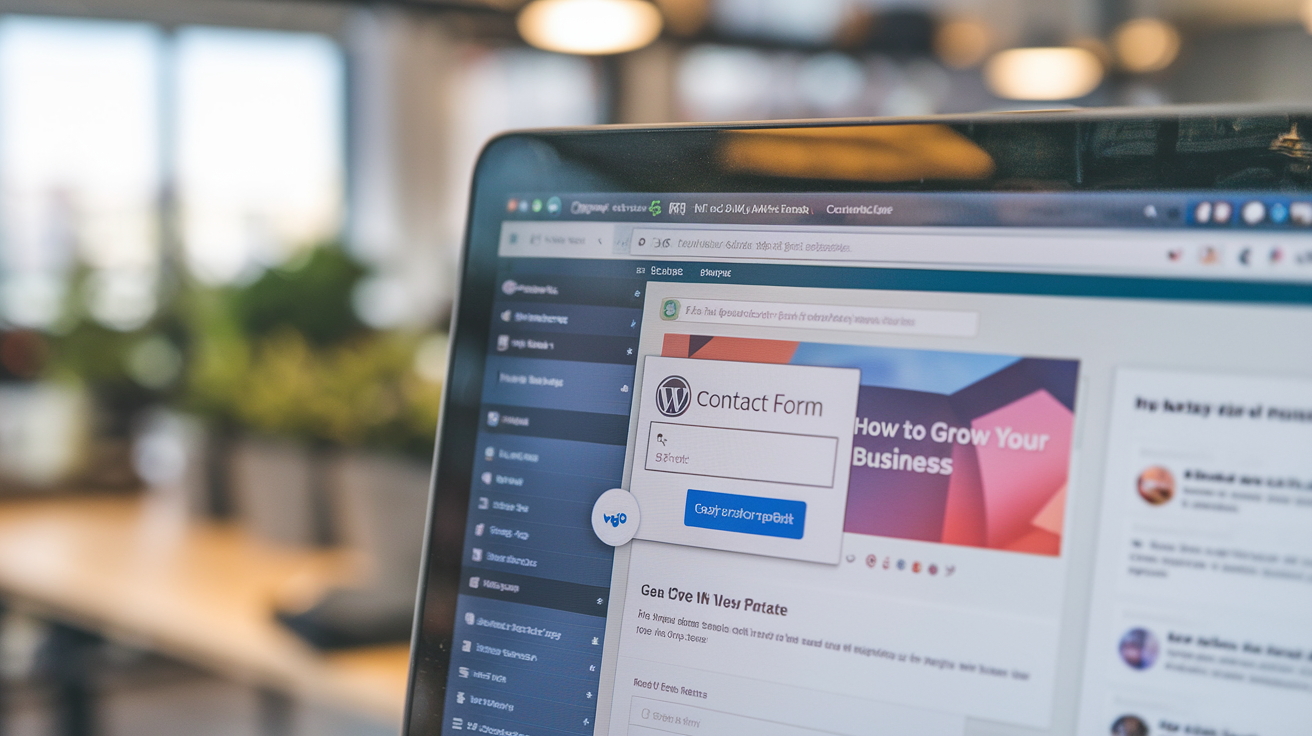
A WordPress contact form setup for increased user interaction and lead generation, essential for businesses looking to grow online.
Once you build your own website with a solid foundation and engaging content, adding essential features can elevate its functionality, user experience, and search visibility. The best part? Many of these enhancements require no coding skills and can be implemented using plugins, add-ons, or built-in features on popular platforms. Here’s how to create your own website with essential features that optimize usability, boost security, and enhance SEO.
Key Functionalities to Enhance User Experience
A website’s functionality directly impacts user satisfaction. With plugins and add-ons, you can easily introduce features that keep users engaged and encourage interaction.
- Contact Forms: Make it simple for visitors to reach out by adding a contact form to your site. Many platforms have form-builder plugins, like WPForms on WordPress, that allow you to customize forms without any code.
- Image Galleries and Media: Showcase your work, products, or projects with visually appealing galleries. Tools like NextGEN Gallery for WordPress allow you to add image galleries and slideshows.
- Social Media Integration: Integrating social media icons and share buttons allows visitors to engage with your brand across multiple platforms. This can be done using simple plugins, helping you extend your reach.
Beginner-Friendly SEO Plugins
Effective search engine optimization is crucial for driving organic traffic, but it doesn’t have to be complicated. Using SEO plugins designed for beginners, you can optimize your website for search engines with minimal effort.
- Yoast SEO (WordPress): This popular plugin makes SEO simple by guiding you through key elements like meta descriptions, keywords, and readability scores. Yoast provides feedback on each page’s SEO and helps you follow best practices, so you rank higher in search results.
- Rank Math (WordPress): Another beginner-friendly option, Rank Math, offers advanced features like keyword tracking and SEO analysis while remaining user-friendly. Both plugins support how to make your own website visible to a broader audience by optimizing each page.
Security and Performance Enhancements
Maintaining website security and performance is essential to protect user data and ensure a smooth experience. Here are a few ways to boost both without any coding.
- SSL Certificates: Secure Socket Layer (SSL) certificates are essential for encrypting data and building user trust. Most platforms or hosting providers offer easy SSL installation, often included in their packages, adding the “https” to your URL for a secure browsing experience.
- Caching and Speed Optimization: Fast load times are critical for retaining visitors. Plugins like WP Super Cache or Autoptimize for WordPress help reduce load times by caching your pages and optimizing code.
- Regular Backups: Protect your content by regularly backing up your site. Plugins like UpdraftPlus automatically save your site data, so you can restore it if issues arise.
Adding these essential features ensures your website is fully functional, user-friendly, and optimized for search engines. By using plugins and built-in platform tools, you can create your own website that performs well, looks professional, and provides a secure experience for your visitors—all without touching a line of code.
With the right mix of plugins, you’ll set up a website that not only meets your goals but also keeps users engaged and satisfied.
Testing and Launching Your Website
After all the hard work of creating content, designing layouts, and adding features, it’s time to test and launch your website. Proper testing ensures your site delivers a seamless user experience across all devices and browsers, which is essential to build your own website successfully. Here’s how to wrap up your project and launch with confidence.
Testing Tips: Ensuring Device and Browser Compatibility
As you create your own website, it’s vital to verify that it functions smoothly for all users, regardless of device or browser. Here are some essential testing steps:
- Cross-Device Testing: Ensure your website is mobile-friendly by testing it on various devices, such as smartphones, tablets, and desktops. Most website platforms offer previews for different screen sizes, but testing on actual devices is recommended for accuracy.
- Browser Compatibility: Test your website on major browsers, including Chrome, Firefox, Safari, and Edge. Differences in browser rendering can sometimes affect the appearance or functionality of certain elements.
- Navigation and Links: Go through each page to confirm that all links and menu items work as intended. Broken links or missing buttons can frustrate visitors, so double-check all internal and external links.
Pre-Launch Checklist: Final Touches for a Smooth Launch
Before going live, run through this checklist to make sure your website is fully optimized and polished:
- Page Load Speed: Ensure fast loading times by optimizing images and minimizing large files. Speed can impact both SEO and user experience, so it’s crucial to address any delays.
- SEO Basics: Review each page’s SEO settings. Check that all meta descriptions, keywords, and alt text are in place and optimized. Using SEO plugins can streamline this process and help boost your site’s visibility.
- Readability and Spelling: Go over your content to confirm it’s clear, concise, and free of grammatical errors. It’s easy to overlook typos, so consider using proofreading tools or asking a colleague to review your content.
- SSL and Security: Double-check that your SSL certificate is active, ensuring your website is secure for visitors.
Launching and Promoting Your Website
Once testing is complete, it’s time to launch. A well-promoted launch can generate excitement and attract your target audience to your new website.
- Social Media Sharing: Announce your website’s launch on social media platforms like Facebook, LinkedIn, and Instagram. Include a compelling description and a clear link to drive visitors to your site.
- Email Newsletter: Send an email to your subscribers, introducing them to your new website. Highlight what they can expect to find, such as helpful resources, new products, or an exciting blog section.
- Collaborate and Network: Reach out to industry influencers or partners who may be interested in sharing your website with their followers. Networking is a powerful way to expand your reach and build credibility.
Completing these steps prepares your site for a successful launch, ensuring a smooth experience for your audience. Testing thoroughly and promoting effectively are key to making sure all the effort to build your own website translates into a positive, impactful launch.
Now that you know how to make your own website and have taken all necessary steps for a successful launch, you’re ready to share your brand with the world. Embrace this final phase with enthusiasm, and watch your website connect with new audiences and help you reach your goals.
Post-Launch Maintenance and Updates
After the excitement of launching, your work doesn’t end there. Regular maintenance and updates are essential to ensure your site remains secure, engaging, and functional. Once you build your own website, keeping it updated and performing optimally is crucial to sustain growth and retain visitors.
Importance of Regular Updates and Maintenance
Maintaining a website goes beyond its initial setup. When you create your own website, you’ll need to prioritize regular updates to keep it secure and relevant. Key aspects include:
- Security Checks: Regular updates help protect your site against potential security threats. Ensure that any plugins, themes, and platforms you use are updated promptly to guard against vulnerabilities.
- Backups: Set up regular backups so you can quickly recover your site if any issues arise. Many platforms and hosting providers offer automatic backup options, allowing you to safeguard your content without manual effort.
- Performance Optimization: Over time, images, plugins, and other elements can slow down your site. Regularly review page load times and optimize any large files or outdated plugins to keep your website running smoothly.
Keeping Content Fresh and Relevant
To engage your audience and maintain good search engine rankings, it’s important to update your website content periodically. Here’s how you can keep your site’s information valuable and up-to-date:
- Blog and Article Refresh: Keep your blog active by posting new content regularly. This can include industry updates, tutorials, or engaging stories that reflect your brand. If you create your own website with a blog section, frequent posts help boost SEO and engage returning visitors.
- Product or Service Updates: If your business evolves with new offerings, make sure to update your website to reflect these changes. This ensures that your visitors have accurate, up-to-date information.
- Content Revisions: Periodically review your core pages (like About, Services, and Contact) to ensure they accurately represent your brand’s vision and current goals. Small updates to your messaging can go a long way in keeping your website relevant and trustworthy.
Monitoring Performance with Analytics
Tracking your website’s performance helps you understand what’s working and where improvements can be made. For those who build your own website, understanding analytics is crucial to making data-driven decisions.
- Google Analytics: Install Google Analytics to monitor visitor data, such as traffic sources, user demographics, and popular pages. This tool provides insights into which content resonates most with your audience.
- User Behavior: Analytics can show you how visitors interact with your site, identifying pages where users may drop off or spend less time. Use this information to improve user experience and optimize poorly performing pages.
- SEO Performance: Track keyword rankings, bounce rates, and other SEO metrics to determine how well your site is performing in search engine results. This information can guide content updates and adjustments for improved SEO.
By implementing these post-launch practices, you’ll ensure that the work you put into how to make your own website continues to pay off. Regular updates, fresh content, and performance monitoring keep your site relevant and engaging, helping your website remain a strong asset as your brand grows.
DIY vs. Hiring a Web Development Company

Choosing between DIY and hiring a web development company can shape your online presence. Here’s what to consider for building your website.
When it comes to managing your website, you have two main options: maintaining a DIY approach or hiring a professional web development company. Deciding between the two depends on factors like your budget, goals, technical knowledge, and the scale at which you want to grow your site. Here’s a breakdown to help you understand when it’s best to build your own website and when professional help might be essential.
DIY Approach: The Pros and Cons
If you’ve opted to create your own website, you’re likely using beginner-friendly platforms like WordPress, Wix, or Squarespace. These platforms allow non-tech users to design functional websites without coding expertise. Here’s what to consider:
Pros of DIY:
- Cost-Effective: DIY platforms are often more budget-friendly, ideal for startups or personal projects with limited funds.
- Creative Control: With a DIY website, you can manage updates, design tweaks, and content at your own pace.
- Quick Launch: For simple websites, DIY platforms offer quick setup options, allowing you to build your own website and get online fast.
Cons of DIY:
- Limited Customization: While DIY builders are versatile, they may lack the advanced customization options required for complex features or scaling.
- Time-Consuming: If you’re handling everything solo, maintaining the site, managing updates, and troubleshooting can be time-consuming.
- Potential SEO and Performance Limitations: DIY platforms may not always provide robust SEO tools, which can affect your site’s performance and visibility.
Hiring a Web Development Company: When It’s the Right Choice
For certain projects, investing in a professional web development company can offer advantages that go beyond the DIY approach, especially if you’re aiming to grow your website in terms of functionality and reach. Here’s why hiring a professional can be beneficial:
Advantages of Hiring a Web Development Company:
- Customization and Scalability: If you’re looking for advanced features, complex integrations, or unique branding, an agency provides the expertise to bring that vision to life.
- SEO and Performance Optimization: Professionals can help with on-page and technical SEO, ensuring that your website ranks well on search engines and loads quickly. This is especially valuable if you want your site to compete effectively.
- Long-Term Support: Agencies often offer maintenance and support packages to handle regular updates, security checks, and troubleshooting, freeing up your time to focus on other aspects of your business.
When to Consider a Web Development Company:
- Scaling Beyond the Basics: If your website needs custom features, such as e-commerce capabilities or a membership portal, an agency has the resources and knowledge to implement these elements effectively.
- Building a Strong Brand Presence: A web development company can ensure your site aligns with your brand’s identity and long-term goals, making it a memorable and trusted platform.
- Time Constraints: If you’re short on time or lack technical skills, outsourcing to professionals can fast-track your project without compromising quality.
If you’re considering hiring an agency for added support, check out our article on Finding the Perfect Web Development Company for Your Startup to explore more about partnering with a professional team.
Making the Choice: DIY or Professional?
Choosing between DIY and hiring a web development company depends on your startup’s specific needs and future growth plans. Starting with a DIY approach is often sufficient for simple websites, allowing you to create your own website with limited upfront costs. However, as your business scales, a professional web development agency can take your site to the next level, adding features and functionality to meet evolving demands.
Ultimately, knowing how to make your own website is a valuable skill, but leveraging the expertise of professionals can help you create a powerful, scalable online presence that supports your business’s growth for years to come.
Conclusion
Building a website has never been easier, and for startups or personal projects, understanding how to make your own website with no coding skills can open up a world of opportunities. With today’s tools, you can create your own website that’s not only visually appealing but also functional and responsive.
Let’s recap the steps to build your own website:
- Define your goals and audience so your site speaks directly to your target visitors.
- Choose the right platform for ease of use and scalability.
- Design a cohesive brand and intuitive layout that enhance user experience.
- Create engaging content and optimize it for SEO to improve visibility.
- Add essential features like CTAs and social media links to drive engagement.
- Test thoroughly before launching, ensuring your website performs well across devices.
- Maintain and update your site regularly for security, performance, and fresh content.
For beginners, experimenting with no-code tools is a fantastic way to get hands-on with your vision. And if you ever feel the need for advanced customization, don’t hesitate to reach out to a web development company for support. Your website is a key part of your brand, so whether you build your own website or collaborate with professionals, make sure it reflects your unique goals and values.
Frequently Asked Question’s
1. How long does it take to build your own website with no coding skills?
The time needed to create your own website without coding varies based on the platform and complexity. For a simple site on platforms like Wix or Squarespace, you can have it live in a few hours. However, to build your own website with more customization or e-commerce features, you may spend a few days or weeks refining the details.
2. What is the best platform for a beginner to create your own website?
For beginners learning how to make your own website, platforms like Wix, Squarespace, and WordPress.com are excellent choices. They offer easy drag-and-drop interfaces, built-in templates, and features ideal for non-coders, giving you the flexibility to build your own website without technical knowledge.
3. How much does it cost to make a website without coding?
Costs can vary based on the platform and features. Basic plans on DIY platforms range from $10–$30 per month. For those who want to build your own website with premium features, custom domains, and e-commerce capabilities, the price can go up to $100 or more monthly. However, these platforms still remain cost-effective compared to custom development.
4. How can I make my website look professional?
To create a professional-looking website, focus on cohesive design elements: use a clean layout, consistent color scheme, and high-quality images. User-friendly navigation, mobile responsiveness, and strategic use of call-to-action (CTA) buttons are essential. How to make your own website look professional often starts with choosing a well-designed template and customizing it with your brand’s visuals and messaging.
5. What are the benefits of hiring a web development company?
While DIY platforms are excellent for beginners, a web development company can offer advanced customization, unique branding, and technical support. Hiring professionals is ideal if you need complex functionalities or want a website that can scale with your business. A web development company also ensures that aspects like SEO, security, and performance are optimized, saving you time and providing peace of mind as you build your own website for long-term success.
Ready to dive in? Whether you decide to DIY or consult a web development company, this guide gives you the confidence to create a website that fits your needs. Happy building!
The post How to Make Your Own Website Fast and Hassle-Free appeared first on Best Media Agency.
]]>However, creating an impactful website requires more than just aesthetics—it demands alignment with your brand and business goals. Finding the right website design agency that understands your vision can be challenging, especially with numerous agencies offering similar promises. To select the best partner, it’s essential to choose an agency with the expertise to create a website that resonates with your audience and reflects your unique brand.
Many businesses make the mistake of choosing a web design partner based on cost alone, or without considering how the company will align with their brand identity. A mismatched partnership can result in a website that looks generic, lacks functionality, or fails to connect with your target audience. This not only harms your brand’s reputation but can also lead to lost opportunities and wasted resources. To dive deeper into why maintaining brand consistency matters online, check out our guide on Why Your Business’s Online Appearance Must Match Your Brand Identity.
That’s why we’ve created this comprehensive guide. Our goal is to help you navigate the process of selecting the right web design company. By the end of this article, you’ll have all the information you need to make an informed decision, ensuring that the company you choose will build a site that not only functions seamlessly but also reflects and elevates your brand.
In this guide, we’ll walk you through each step of the process, from identifying your website needs to evaluating a design company’s portfolio, SEO expertise, and post-launch support. Armed with this knowledge, you’ll be able to confidently select the right partner to create a website that makes a lasting impact.
The Impact of Choosing the Right Web Design Agency on Your Brand’s Success
In today’s digital-first world, your website is more than just an online address—it’s your brand’s first impression, often shaping customers’ perceptions and trust from the very start. Research consistently highlights the importance of web design: 75% of users judge a business’s credibility based on its website (Stanford). This means that the quality and professionalism of your website can make or break potential relationships with new customers.
A thoughtfully crafted website should look appealing, work seamlessly, and offer an intuitive experience for users. 88% of online users are less likely to return to a site after a bad experience (HubSpot), underscoring the importance of choosing a web design company that values user experience. A top-tier web design company knows how to strike the balance between aesthetics and usability, ensuring that every element of the website contributes to a positive user journey.
The Pitfalls of Choosing the Wrong Partner
Selecting the wrong web design company can lead to a series of costly mistakes, like an off-brand or unprofessional website. Such issues can drive potential customers away and damage your brand’s credibility. Imagine hiring an agency that lacks experience in your industry or doesn’t fully understand your target audience; this can result in a website that feels generic or mismatched with your brand identity.
Additionally, some companies may cut corners on essential features like SEO optimization, fast load times, and mobile compatibility, which are crucial for website success. Without these, even the most attractive website can struggle to attract traffic and retain visitors.
Step 1: Understand Your Website Needs
Before diving into the search for a website design agency, it’s crucial to clearly understand what you want to achieve with your website. A well-defined vision will help you communicate your goals effectively, ensuring that the chosen web design agency aligns with your objectives and brand identity. This step involves defining your business goals, selecting the right type of website, and setting a realistic budget.
Define Your Business Goals
Start by clarifying what you aim to accomplish with your website. Is your primary objective to generate sales, showcase a portfolio, inform users, or improve brand visibility? Each goal influences the design and functionality required:
- Increase Sales: If driving sales is the main goal, focus on user-friendly e-commerce features, a streamlined checkout process, and clear calls-to-action. Statistics show that even a one-second delay in load time can reduce conversions by up to 7%. Therefore, investing in quick load times and easy navigation is essential for success in an online store.
- Showcase Portfolios: For creative professionals like designers or photographers, showcasing past work is essential. This goal calls for a portfolio layout that’s visually compelling and easy to navigate, with high-quality images, testimonials, and case studies to build trust with potential clients.
- Provide Information: Websites focused on delivering information need intuitive navigation, well-structured content, and value-adding resources. Adding blogs, whitepapers, or industry insights can position your brand as a knowledgeable authority and help build long-term relationships with visitors.
- Enhance Brand Visibility: If brand visibility is the goal, emphasize design elements that communicate your brand’s personality—color schemes, typography, and logos that reinforce your identity across the site. This approach allows you to create a cohesive experience, especially when paired with consistent messaging. For further insights, you may find our article on Why Your Business’s Online Appearance Must Match Your Brand Identity helpful.
Clearly defined goals will guide your web design decisions, ensuring you attract the right audience and achieve the desired outcomes.
Different Types of Websites
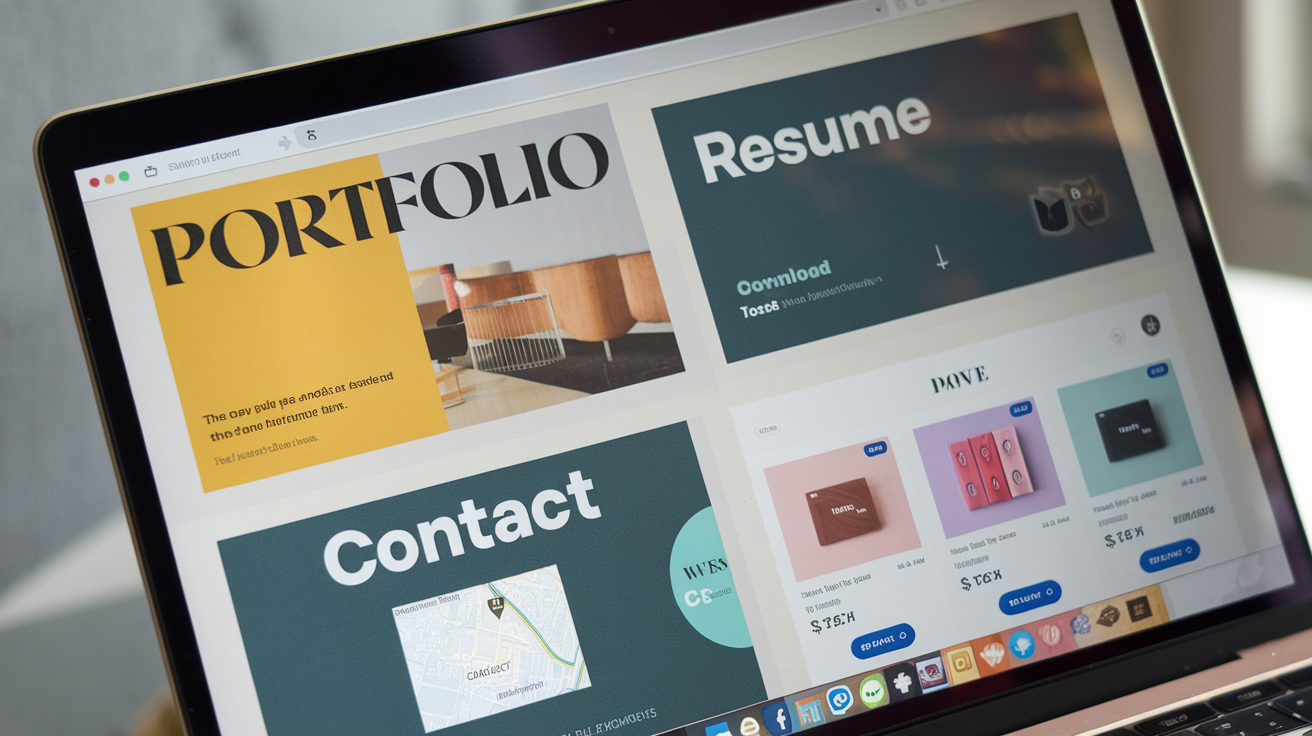
A close-up view of a website portfolio and contact page designed to showcase brand identity and project work effectively.
Each website type serves a different purpose and requires specific features. Knowing the type of website that aligns with your business objectives will help you communicate your needs to a web design agency effectively.
- E-commerce Websites: Designed for businesses that sell products or services online, e-commerce sites feature product listings, shopping carts, and secure payment gateways. Given the competitive nature of e-commerce, elements like SEO optimization, fast load times, and easy navigation are essential.
- Portfolio Websites: Ideal for creative professionals like designers, writers, or photographers, these sites prioritize visual appeal and navigation. They typically feature galleries, project pages, and client testimonials, showcasing the creator’s skills and previous work.
- Blogs: Blogs are excellent for businesses that want to share information, build an audience, or establish thought leadership in a niche. Built around a content management system (CMS), these sites require features that allow for SEO optimization and easy content updates.
- Informational Websites: Primarily designed to provide users with details about a business, service, or product, informational sites suit industries like law, healthcare, or local services. They generally include sections like “About Us,” “Services,” and “Contact,” focusing on accessible, concise information.
- Subscription or Membership Websites: If you offer exclusive content or services to members, a subscription-based model is ideal. These sites need user authentication, secure payment systems, and a well-organized content structure.
Choosing the right website type will ensure your site meets its intended purpose and provides users with an optimal experience. For further guidance, our article on Things to Keep in Mind While Designing a Website for Your Startup can provide additional insights.
Setting Your Budget
Budget considerations are a critical factor in web design. The cost of a website can vary greatly, influenced by complexity, the level of customization, and the web design company’s expertise. Here’s an overview of average costs for different types of websites in 2024:
- Basic Informational Website: Small businesses needing a simple website with a few pages (e.g., “Home,” “About,” “Contact”) may spend between $2,000 and $10,000. This covers mobile optimization, basic SEO, and easy navigation.
- E-commerce Website: Due to the added complexity of product pages, secure checkout, and payment processing, these sites can range from $5,000 to $50,000. Additional features, like customer reviews or shipping calculators, can impact cost.
- Custom Portfolio Website: If your brand requires a highly personalized design and interactive features, a custom portfolio website typically costs between $5,000 and $30,000, depending on specific design elements and customizations.
- Subscription or Membership Websites: Often more costly due to required security measures and user authentication, these sites can cost anywhere from $10,000 to $60,000 based on customization and member-exclusive content options.
- Using Website Builders or WordPress: For those with smaller budgets or a preference for DIY options, website builders like Wix or Squarespace cost between $7 to $500 monthly, depending on features. Building on WordPress with basic plugins costs $40 to $800 upfront, with additional expenses for premium themes and plugins.
When setting your budget, consider not only the initial design cost but also ongoing maintenance and potential future upgrades. While it might be tempting to minimize expenses, a well-designed website is a long-term investment that can enhance user experience, boost conversions, and support business growth.
Taking the time to clarify your website goals, understand the type of site you need, and establish a realistic budget will set you up for success as you proceed with selecting a web design partner.
Step 2: Review Their Portfolio and Past Work
Evaluating a web design company’s portfolio is one of the most effective ways to gauge its capabilities, style, and experience. A portfolio reveals not only the quality of the work but also the variety and scope of projects they’ve handled. Here’s a step-by-step approach to assessing a portfolio and the kinds of projects that signal a design company’s true expertise.
What to Look for in a Portfolio
- Design Style and Aesthetic
Every brand has a unique style, and your website’s design should align with your brand identity and resonate with your target audience. When reviewing portfolios, look at how well the design elements fit the brand. For example, do they work with clean, minimalist designs, or do they lean toward vibrant, high-energy styles? Make sure their past work aligns with the aesthetic you envision for your site. Consistency in a company’s portfolio can be a good sign of a strong design style, but versatility is equally important. - User Experience (UX)
A visually appealing website is great, but it also needs to be functional and easy to navigate. Examine the UX design in their portfolio, particularly if you’re viewing an interactive or complex site, such as an e-commerce store. Look for user-friendly layouts, clear calls-to-action, and smooth navigation paths. Research indicates that 88% of online consumers are less likely to return to a website after a bad user experience (source: HubSpot), so it’s essential that the design company demonstrates a strong UX focus. - Industry Relevance
Some industries have specific design needs—such as robust product filters for e-commerce, gallery features for portfolios, or user-friendly information hubs for resource sites. If the design company has experience in your industry, it could be a major advantage. Look for any similar projects in their portfolio to get a sense of how well they understand your market’s unique needs. - Website Functionality
For businesses that require specific features, such as booking systems, client portals, or e-commerce capabilities, make sure the design company has demonstrated experience with these functionalities. Review how well their past sites function, paying attention to elements like loading speed, mobile responsiveness, and multimedia integrations. A quality web design company will prioritize performance across devices, ensuring a smooth experience for users on any platform.
Case Studies and Client Success Stories
While portfolios offer a quick visual overview, case studies and client success stories provide a deeper insight into the design company’s approach, problem-solving skills, and the results they deliver. Case studies are particularly valuable for understanding the real impact of a web design project. Here are a few things to look for:
- Problem-Solving and Creativity
Case studies often highlight a specific challenge or goal that the client needed to address. Look for examples where the company demonstrated creative problem-solving or innovation to meet these challenges. For instance, if a client needed a unique feature or faced a specific branding challenge, the web design company’s solution can reveal their adaptability and ability to deliver on unique demands. - Measurable Outcomes
A strong case study includes data showing the impact of the redesign. Did the new website improve user engagement, boost conversion rates, or reduce bounce rates? Concrete numbers, such as “a 30% increase in conversions” or “a 20% reduction in load time,” give you a clear idea of how the company’s work impacts real business outcomes. For more insights into the power of measurable outcomes in branding, see our article on What Makes Online Branding Effective. - Adaptability Across Industries
If the web design company has handled projects across different industries, it’s a sign of their versatility and understanding of diverse audiences. This adaptability can be particularly useful if your brand requires a unique or less common design approach.
Questions to Ask About Past Projects
To gain even more insight, don’t hesitate to ask direct questions during consultations. Consider these key factors:
- What was your role in the project?
Web design companies sometimes showcase work done in collaboration with other agencies or third-party contractors. Confirming their exact role helps you understand their core strengths and how hands-on they were in the project. - What was the outcome of the project?
Ask about the specific results achieved post-launch. A reputable web design company should be able to provide statistics or anecdotal evidence that their design helped improve customer engagement, sales, or brand recognition. - Can I speak with past clients?
Testimonials are great, but direct conversations with previous clients give you a more authentic sense of the company’s communication style, project management skills, and the overall experience they provide.
When reviewing a portfolio and case studies, remember that you’re not just evaluating design skills. You’re assessing the company’s ability to solve problems, create intuitive and beautiful user experiences, and produce real, measurable results. Following this step will set you on the path to finding a web design company that can bring your vision to life in a way that resonates with your audience and drives tangible business outcomes.
Step 3: Check Client Reviews and Testimonials
A close-up of colorful post-it notes on glass reflecting client feedback, symbolizing diverse perspectives and satisfaction from working with a website design agency.
Evaluating client reviews and testimonials is crucial when choosing a reliable web design agency. Platforms like GoodFirms provide valuable insights into an agency’s reliability, quality of work, communication style, and problem-solving abilities. Here’s how to approach this step effectively:
Where to Find Authentic Reviews
- Google and Yelp: These platforms are accessible and commonly used for local and international business reviews. Google Reviews is particularly useful as it often contains detailed feedback across various industries, highlighting the agency’s strengths and weaknesses. Yelp, especially for local agencies, can provide insights into customer service, reliability, and responsiveness.
- Clutch.co: For professional services, Clutch is a reliable source offering in-depth reviews, project details, and client feedback. It’s particularly beneficial because reviews on Clutch often provide specifics about the project, such as budget, timelines, and results. This level of detail allows you to assess the agency’s effectiveness and project management capabilities.
- Social Media and LinkedIn: Many web design agencies actively engage on social platforms like LinkedIn, Facebook, and Instagram, where clients might leave comments or feedback. While these might be less comprehensive than Google or Clutch reviews, they can provide a quick snapshot of client satisfaction and how the agency handles public feedback.
Reading Between the Lines
While the number of positive reviews is important, quality matters more than quantity. Here are tips to identify genuine, relevant insights:
- Consistency: Look for patterns in the feedback. If multiple reviews highlight issues like missed deadlines or poor communication, these could be red flags. Similarly, consistent praise for design quality, creativity, or professionalism indicates a reputable agency.
- Response to Feedback: A company’s response to reviews, especially negative ones, shows its commitment to client satisfaction. If an agency handles criticism professionally and addresses concerns openly, it’s a good sign of accountability and customer focus.
- Detail-Rich Reviews: Reviews that describe specific aspects of the project, such as technical challenges or design preferences, are often more genuine. Overly generic language or sudden bursts of five-star reviews may signal fake reviews.
Questions to Ask Based on Reviews
Once you’ve analyzed reviews, bring relevant insights into your consultation:
- How do you ensure effective communication throughout the project? If communication issues appeared in reviews, ask about their communication protocols and transparency with clients.
- What’s your process for handling revisions or adjustments? If responsiveness was a concern in reviews, ask about how they manage feedback loops and revisions during the design phases.
- Can I speak with a past client? If reviews were mixed, request references or testimonials directly from the agency. This will give you an opportunity to hear an unbiased perspective.
Checking reviews and testimonials carefully gives you an inside look into the agency’s working style and track record, helping you make a more informed choice.
Step 4: Evaluate Their Communication and Project Management Skills
Effective communication and organized project management are key indicators of a successful web design partnership. Without a clear system for communication and progress tracking, even the most skilled agencies can struggle to meet client expectations. When assessing a web design agency’s communication style and project management skills, here’s what to look for:
Why Clear Communication Matters
In any web design project, seamless communication can make the difference between success and frustration. Good agencies understand this and prioritize transparency from the outset, keeping you informed on progress, timelines, and any potential issues. Look for an agency that:
- Sets Expectations Early: They should outline how often they’ll communicate, preferred communication channels (like email, Slack, or Zoom), and how updates will be delivered. For example, do they offer regular check-ins or scheduled updates?
- Responds Promptly: Pay attention to how quickly they respond to your initial inquiries. Timely responses indicate an agency’s commitment to open communication. Slow or inconsistent replies can be a warning sign of future communication gaps, which may lead to misalignment or missed deadlines.
Signs of Effective Project Management
Project management involves tracking progress, ensuring deadlines are met, and coordinating feedback. Look for agencies that use project management tools and have a structured workflow:
- Use of Project Management Tools: Agencies that utilize tools like Asana, Trello, or Monday.com are more likely to stay organized and meet deadlines. These platforms allow for task assignment, timeline visualization, and status updates, ensuring you have visibility into each phase of the project. For instance, a reliable agency might share a project board with you, so you can track progress in real time.
- Defined Processes and Timelines: A professional agency will walk you through their project phases, from initial design to final development. Each phase should have clear milestones, such as design drafts, wireframes, and content integration. Knowing their process helps you understand when to expect deliverables and when you’ll need to provide feedback.
- Regular Updates and Milestones: Regular updates keep the project on track. An experienced agency will schedule frequent check-ins to discuss completed tasks and any adjustments required. They should also set realistic milestones with specific deadlines, ensuring the project stays within the agreed timeline.
Questions to Ask During Initial Meetings
When meeting with potential agencies, ask questions that clarify their communication style and project management approach:
- How do you handle project timelines and delays? A good agency will outline their approach to handling unexpected delays, whether it’s adjusting timelines or re-prioritizing tasks. This reflects their dedication to openness and responsibility.
- Who will be our main point of contact? It’s important to know who your primary contact will be throughout the project. Ideally, this should be someone with in-depth knowledge of the project and authority to make decisions or address issues as they arise.
- How do you gather and implement client feedback? Understand how the agency incorporates your input. Ask if they allocate specific times for feedback or offer flexible communication throughout the project. Agencies that actively involve clients in the process are more likely to deliver a website that aligns with your vision.
- What project management tools do you use? Ask about the tools they rely on to manage timelines, track tasks, and facilitate communication. If they use platforms like Slack for messaging or Google Drive for document sharing, ensure you’re comfortable with their setup and can access necessary information.
- How do you handle changes to the project scope? Changes can arise unexpectedly. Knowing how the agency addresses scope adjustments, whether through formal documentation or flexible revisions, can prevent misunderstandings and additional costs.
The Importance of a Reliable Partnership
In the end, you want an agency that values partnership. A strong communication strategy paired with organized project management helps ensure that your website project flows smoothly, meeting both your expectations and deadlines. By focusing on these aspects, you’ll be able to identify an agency that’s not just building a website but is invested in your long-term success.

The post The Ultimate Guide to Choosing the Right Website Design Agency appeared first on Best Media Agency.
]]>Are you struggling to get noticed online? Perhaps you’re watching potential patients pass by because your clinic isn’t showing up on Google searches. Or maybe your website still thinks it’s 2010, and your social media presence is as inactive as a forgotten gym membership. Sounds frustrating, right?
The Diagnosis: Common Online Ailments
Many healthcare providers like you face similar challenges:
- Invisible on Google: Your clinic might offer the best care in town, but if you’re not on the first page of Google, it’s like you’re invisible.
- Website Woes: An outdated website isn’t just a bad look. It’s slow, not optimized for mobile, and hard for patients to navigate.
- Social Silence: If your last social media post was a “Happy New Year 2018,” you’re missing out on a huge platform to engage and attract patients.
The Prescription: Tailored Digital Strategies
Here at Les Créatifs Studio, we specialize in revamping the digital presence of healthcare providers. Here’s how we can help:
1. Website Design and Optimization: We’ll give your website a fresh, modern look and ensure it’s optimized for all devices—because we know your patients are checking you out from their phones and tablets, not just their desktops.
2. Mastering SEO: We dive deep into the world of SEO to make sure your clinic gets found first. From researching the right keywords to optimizing your content and technical SEO, we handle it all. You take care of the patients, we make sure they find you.
3. Social Media Management: Our team will bring your social media back to life with engaging content that speaks to your audience, increases your reach, and builds community around your services.
Success Stories: Real Results for Real Clinics
Don’t just take our word for it. Meet Dr. Emily, whose small-town clinic went from hidden gem to local health hotspot. After partnering with us, her clinic saw a 75% increase in patient appointments and tripled its social media engagement in just six months.
Ready to Transform Your Clinic’s Digital Health?
It’s time for your healthcare practice to shine online. Schedule a free consultation with us today and start your journey from invisible to invincible. Together, we’ll make sure your clinic not only survives but thrives in the digital age.
Schedule Your Free Consultation Now
The post How to Improve Your Clinic’s Google Ranking: A Success Story appeared first on Best Media Agency.
]]>