Google Ads and Facebook Ads serve different purposes yet complement each other in many ways. Google Ads focuses on capturing intent—connecting you with users actively searching for solutions. It’s a tool for meeting immediate needs, making it invaluable for businesses targeting users searching for “urgent care near me” or “homes for sale in Miami.” On the other hand, Facebook Ads excels at creating demand by introducing your brand to audiences who may not yet realize they need your services. For instance, a coach can reach individuals interested in self-improvement, while a boutique hotel can entice travelers with stunning carousel ads showcasing its amenities.
This article delves deep into the unique benefits of Google Ads and Facebook Ads, providing actionable insights to help you understand how to make informed decisions. Whether you’re looking to build awareness, drive conversions, or maximize ROI, this guide will equip you with the knowledge needed to leverage these platforms effectively. Let’s get started.
The Growing Need for Online Advertising
In today’s digital-first world, online advertising is no longer optional—it’s a necessity. Businesses of all sizes are leveraging platforms like Google Ads and Facebook Ads to connect with their audiences, drive engagement, and achieve measurable results. But with the options available, knowing where to allocate your budget can be challenging. Each platform has unique strengths and caters to specific goals, which is why understanding their differences is key to success.
Why Online Advertising Matters
Online advertising allows businesses to target customers more effectively than traditional methods ever could. For instance:
- Precision Targeting: Ads can be tailored to specific demographics, behaviors, and locations.
- Cost Efficiency: With options like pay-per-click (PPC) or cost-per-thousand-impressions (CPM), businesses can control their ad spend and focus on results.
- Real-Time Insights: Platforms like Google and Facebook provide robust analytics, helping advertisers refine campaigns for better ROI.
Meeting Customer Expectations
Today’s consumers expect businesses to have an online presence. They rely on search engines and social platforms for recommendations, reviews, and solutions to their problems. By leveraging Google Ads, businesses can meet high-intent users actively searching for answers. Simultaneously, Facebook Ads help brands build relationships and introduce their offerings in a visually engaging way.
The Bottom Line
As competition intensifies, the ability to advertise online effectively can make or break a business. Google Ads and Facebook Ads aren’t just tools—they’re essential components of a winning digital strategy. Whether you aim to boost brand awareness or drive immediate sales, understanding these platforms’ unique benefits is the first step toward sustained growth.
Google Ads vs Facebook Ads: Comparing Key Features
When evaluating Facebook vs Google Ads, understanding their core features is essential to selecting the right platform for your business. Here’s a deep dive into their capabilities:
1. Targeting Capabilities
- Google Ads: Google Ads excels in intent-driven targeting. Users actively searching for specific products or services trigger ads based on keywords. For instance, a healthcare provider can target terms like “physical therapy near me,” while a real estate agent might focus on “luxury homes for sale.” Google also offers geo-targeting, device-based targeting, and time scheduling to refine campaigns further.
- Facebook Ads: Facebook leverages its vast database of user demographics, interests, and behaviors. It allows advertisers to target users based on age, location, interests, job titles, and even life events. A boutique hotel, for example, could target newly engaged couples planning their honeymoon, while a coach could reach individuals interested in leadership development.
Pro Tip: Use Google Ads for high-intent users and Facebook Ads for broad awareness and retargeting.
2. Ad Formats
- Google Ads:
- Search Ads: Text ads displayed at the top of search engine results pages (SERPs) triggered by keywords.
- Display Ads: Visual banners appearing on Google’s network of websites, ideal for building brand awareness.
- Shopping Ads: Product ads that include images, prices, and reviews, perfect for e-commerce.
- Facebook Ads:
- Image Ads: A single photo with compelling text.
- Video Ads: Short, engaging videos that tell your brand story.
- Carousel Ads: Showcase multiple products or features in one ad, allowing users to swipe through.
- Story Ads: Full-screen vertical ads optimized for mobile devices.
3. Cost Structures
- Google Ads: Operates on a pay-per-click (PPC) model, where advertisers are charged only when someone clicks on their ad. Costs vary based on keyword competition. For example:
- Keywords like “urgent care” or “buy homes in LA” can cost $5-$50 per click.
- Long-tail keywords may reduce costs while targeting niche audiences effectively.
For a detailed breakdown of Google Ads pricing trends, check out DesignRush.
- Facebook Ads: Works on a cost-per-thousand-impressions (CPM) model. Advertisers pay based on how often their ads are shown, regardless of clicks. Typical CPM rates range from $5 to $15, making Facebook Ads cost-effective for generating awareness.
4. Audience Reach
- Google Ads: Google captures high-intent users actively searching for solutions, making it an excellent tool for immediate conversions.
- Facebook Ads: Facebook targets passive audiences, leveraging its algorithm to introduce your brand to users likely to engage based on their activity and interests.
5. ROI Potential
Both platforms can deliver significant ROI when used correctly:
- Google Ads: Best for driving direct sales or leads from users ready to take action.
- Facebook Ads: Ideal for long-term engagement, building trust, and nurturing relationships.
Integrating Both Platforms for Maximum Impact
Combining Facebook Ads and Google Ads in your strategy can create a seamless marketing funnel. For example:
- Use Google Ads to capture search-driven leads at the top of the funnel.
- Retarget these users with Facebook Ads, showcasing testimonials or limited-time offers to drive conversions.
By understanding the strengths of both platforms, businesses can maximize their reach, engagement, and revenue.
Industry-Specific Strategies for Google Ads and Facebook Ads
When considering Google Ads vs Facebook Ads, tailoring strategies to your industry can make all the difference. Let’s explore how each platform can be utilized effectively across different sectors:
1. Healthcare
- Google Ads:
- Use keywords like “pediatric care near me” or “healthcare services for seniors.”
- Leverage call-only ads to connect potential patients directly with your facility.
- Include ad extensions such as sitelinks to direct users to services like urgent care or telemedicine appointments.
- Run display ads on health-related websites to build brand recognition.
- Facebook Ads:
- Create video ads showcasing patient success stories or new healthcare services.
- Target audiences based on behaviors like recent searches for health-related topics or fitness.
- Use carousel ads to highlight multiple services, such as wellness programs, vaccination drives, or diagnostic tests.
- Leverage Facebook’s “Lookalike Audiences” to find users similar to your current patient base.
2. Hospitality
- Google Ads:
- Bid on location-specific keywords like “luxury resorts in Bali” or “beachfront hotels near me.”
- Use dynamic search ads to automatically promote updated availability and pricing.
- Add call extensions for instant inquiries about room availability or amenities.
- Utilize remarketing lists for search ads (RLSA) to target past website visitors with personalized offers.
- Facebook Ads:
- Showcase amenities through carousel ads, such as spa treatments, rooftop pools, or fine dining options.
- Retarget users who browsed your booking page but didn’t complete the reservation with exclusive discount offers.
- Use immersive video ads featuring virtual tours of your property or testimonials from satisfied guests.
- Promote events or packages, like honeymoon specials or weekend getaways, to niche audiences.
3. Coaching (Life, Career, Personal)
- Google Ads:
- Target high-intent keywords like “business growth coaching” or “professional development programs near me.”
- Use responsive search ads with multiple headlines that emphasize benefits such as “increased productivity” or “career advancement.”
- Include call extensions to make it easier for potential clients to schedule consultations.
- Facebook Ads:
- Share client testimonials and success stories in video ads to build trust and credibility.
- Create lead generation ads offering free resources, such as eBooks or webinars, to attract new clients.
- Use targeted ads to reach audiences based on their interests in self-improvement, business growth, or personal development.
- Retarget users who engaged with your content but haven’t signed up for your services.
4. Real Estate
- Google Ads:
- Bid on keywords like “homes for sale in [location]” or “real estate agents near me.”
- Use Showcase Ads to present multiple property listings in a single ad.
- Employ geo-targeting to focus on users actively searching for homes in specific neighborhoods.
- Incorporate extensions to provide quick links to contact forms, virtual tours, or agent profiles.
- Facebook Ads:
- Run dynamic ads tailored to individual property preferences, showcasing homes users previously viewed.
- Use carousel ads to highlight various properties within a target area, including price and key features.
- Share success stories from buyers or sellers to build trust and demonstrate expertise.
- Target audiences based on life events, such as recently engaged couples or growing families, who may be in the market for a new home.
By aligning the strengths of Google Ads and Facebook Ads with the specific needs of your industry, you can create highly effective campaigns that drive meaningful results. Tailored strategies ensure that you not only reach your target audience but also convert them into loyal customers or clients.
The Power of Integration
Integrating Google Ads and Facebook Ads amplifies your advertising impact. For instance, use Google Ads to drive traffic to your website and Facebook Ads to retarget those visitors with tailored messages. By combining both platforms, businesses can create a robust funnel that captures attention, drives conversions, and fosters long-term relationships.
Common Misconceptions About Google Ads vs Facebook Ads
When evaluating Google Ads vs Facebook Ads, businesses often encounter misconceptions that can hinder effective decision-making. Addressing these myths can help create a clearer picture of the platforms’ strengths and how they complement each other.
1. Are Facebook Ads Too Expensive?
Many assume that Facebook Ads are costly and only suitable for big brands due to the perceived need for high budgets to achieve meaningful results. This misconception stems from comparisons to traditional advertising, where significant spending often correlates with greater impact. However, Facebook Ads offer unparalleled flexibility in budgeting, allowing campaigns to start as low as $5 per day. When compared to platforms like LinkedIn, which often have higher costs per click (CPC) and limited reach for smaller budgets, Facebook proves to be a cost-effective choice. Regular optimization of ad targeting, creative elements, and audience segmentation further ensures that even minimal budgets can yield high ROI.
2. Does Facebook Marketplace Ad Show in Google Organic Search?
Another common question is whether Facebook Marketplace ads appear in Google search results. The short answer is no. Facebook Marketplace operates as a closed ecosystem, meaning its ads are not indexed by Google. However, businesses can enhance visibility by linking their Marketplace listings to an SEO-optimized website. This strategy allows listings to benefit indirectly from Google’s organic search traffic.
3. Is It Worth It to Advertise on Facebook?
Absolutely. Facebook Ads are particularly effective for building brand awareness, fostering engagement, and creating customer relationships. For example, an independent fitness coach used Facebook Ads to reach a niche audience interested in wellness and personal growth. By running video ads that shared real-life client transformation stories, the coach gained significant traction. These ads were followed by retargeting campaigns offering free consultation slots to users who interacted with the initial videos. This strategy resulted in a 30% increase in client inquiries within a month, showcasing the power of storytelling and personalized follow-ups on Facebook.
4. Are Facebook Ads Limited by Privacy Regulations?
With recent updates like Apple’s iOS privacy changes, businesses may worry about the effectiveness of Facebook Ads. While these changes impact data tracking, Facebook has introduced tools such as the Conversions API to help advertisers track user activity more accurately. The Conversions API works by enabling businesses to send data directly from their servers to Facebook, bypassing browser limitations and mitigating the impact of tracking restrictions. For example, when a user completes a purchase or fills out a form on your website, the Conversions API ensures this data is securely sent to Facebook for campaign optimization. By aligning your first-party data with Facebook’s machine learning, advertisers can maintain accurate tracking and improve ad performance despite evolving privacy regulations.
5. Are Google Ads Better for Immediate Conversions?
It’s often believed that Google Ads outperform Facebook Ads for immediate sales. While Google Ads excel at capturing high-intent searches, Facebook’s retargeting capabilities can nurture leads over time, driving conversions in longer sales cycles. Combining both platforms allows businesses to capture intent-driven leads and re-engage them with compelling Facebook Ads. For instance, a boutique hotel ran a Google Ads campaign targeting search terms like “luxury hotels in Bali” and used Display Ads to attract travelers actively searching for vacation options. Simultaneously, the hotel utilized Facebook retargeting ads to showcase their amenities, such as spa treatments and rooftop pools, to users who clicked on their Google Ads but didn’t book. This dual-platform strategy not only increased website traffic by 40% but also led to a 25% boost in direct bookings within two months.
By dispelling these misconceptions and leveraging each platform’s unique strengths, businesses can create a balanced and effective digital advertising strategy.
For tips on crafting engaging headlines that improve ad performance, explore this guide: Write Headlines That Captivate in Just 8 Seconds. By dispelling these misconceptions, businesses can better understand the true potential of Facebook Ads and how they complement Google Ads in a robust digital strategy.
Case Study: Leveraging Facebook Ads and Google Ads for Hotels to Drive Bookings
Hospitality businesses are uniquely positioned to benefit from Google Hotel Ads, a specialized platform tailored to enhance visibility and bookings for hotels. By targeting high-intent travelers actively searching for accommodations, Google Hotel Ads ensures your property stands out when it matters most.
The Strategy in Action
A boutique hotel in New York utilized Google Hotel Ads to attract international tourists searching for “luxury resorts in New York.” By bidding on high-intent keywords like “beachfront hotels in NYC,” the hotel ensured its listings appeared prominently on Google’s search results and Maps. They also leveraged features like price filters and photos to engage potential guests.
Simultaneously, the hotel used Facebook Ads to retarget users who had visited their booking page but hadn’t completed a reservation. Using carousel ads showcasing amenities like a rooftop pool and gourmet dining, they drove repeat engagement.
The Results
The combined approach led to a 35% increase in direct bookings within three months. Google Hotel Ads captured users in the research phase, while Facebook Ads nurtured leads to finalize their bookings. This dual strategy highlights the power of combining platforms for maximum ROI.
Key Takeaway
For hotels and other hospitality businesses, integrating Google Ads for hotels with Facebook retargeting ads creates a comprehensive funnel. This approach captures intent-driven searches and nurtures potential guests, driving engagement and bookings effectively.
The Future of Google Ads and Facebook Ads in 2025
As we look ahead to 2025, the digital advertising landscape continues to evolve, with both platforms introducing innovations to stay competitive and relevant.
Trends in Google Ads
- AI and Automation: Google Ads is leaning heavily on AI-driven solutions like Performance Max campaigns, which automate bidding, targeting, and ad placements to optimize performance. These advancements help advertisers focus more on strategy and less on manual campaign management.
- Voice Search Optimization: With the rise of smart speakers and voice assistants, businesses should optimize their ads for natural language queries. This trend ensures better engagement with users searching via voice.
- Visual Search Integration: Google is exploring ways to integrate visual search into its advertising ecosystem, allowing users to shop or learn more about products simply by taking a photo.
Trends in Facebook Ads
- Enhanced Interactive Content: Expect Facebook Ads to offer more immersive ad formats, such as augmented reality (AR) and virtual reality (VR) experiences. These formats will provide brands with creative ways to engage users.
- First-Party Data: With increasing privacy regulations, advertisers will rely more on first-party data collected directly from customers. Facebook’s Conversions API and other tools will help businesses bridge data gaps effectively.
- Shopping Integration: Facebook and Instagram are becoming go-to platforms for social commerce. Features like in-app shopping and shoppable posts will continue to drive purchases directly from ads.
How to Stay Ahead
To stay competitive, advertisers need to adapt quickly to these trends. Whether it’s by leveraging AI tools in Google Ads or crafting interactive experiences on Facebook, staying informed is key.
For expert guidance on maximizing ROI with these platforms, check out Aishwarya Pillai: Certified Google Ads Expert. With years of experience, Aishwarya provides actionable strategies tailored to your business goals.
Conclusion
Both Google Ads and Facebook Ads offer distinct strengths, making them valuable assets in any digital marketing strategy.
Recap of Google Ads
Google Ads excels at capturing high-intent users who are actively searching for products or services. Its ability to connect businesses with audiences at the exact moment they need a solution makes it an essential tool for industries like healthcare, where immediacy is key, and real estate, where buyers actively search for listings.
Highlighting Facebook Ads
On the other hand, Facebook Ads thrive in building brand awareness and engaging users through visually compelling content. Its robust targeting capabilities allow businesses in industries like hospitality and coaching to create demand, foster connections, and build trust with potential customers.
Recommendation: A Combined Approach
A combined strategy leveraging both platforms can yield remarkable results. For example, using Google Ads to capture search-driven leads and Facebook Ads to retarget those users or nurture them further down the sales funnel is a highly effective method. This approach is particularly impactful for businesses in healthcare, hospitality, coaching, and real estate, where both intent and relationship-building play critical roles in conversions.
Start crafting your advertising strategy today by understanding the unique benefits of each platform and integrating them into a cohesive plan. To explore advanced strategies and expert tips, check out this resource from HubSpot: How to Create a Marketing Strategy. Combining insight with action will help you unlock new growth opportunities and thrive in the digital landscape.
The post The Truth About Google Ads vs Facebook Ads: What No One Tells You appeared first on Best Media Agency.
]]>However, creating an impactful website requires more than just aesthetics—it demands alignment with your brand and business goals. Finding the right website design agency that understands your vision can be challenging, especially with numerous agencies offering similar promises. To select the best partner, it’s essential to choose an agency with the expertise to create a website that resonates with your audience and reflects your unique brand.
Many businesses make the mistake of choosing a web design partner based on cost alone, or without considering how the company will align with their brand identity. A mismatched partnership can result in a website that looks generic, lacks functionality, or fails to connect with your target audience. This not only harms your brand’s reputation but can also lead to lost opportunities and wasted resources. To dive deeper into why maintaining brand consistency matters online, check out our guide on Why Your Business’s Online Appearance Must Match Your Brand Identity.
That’s why we’ve created this comprehensive guide. Our goal is to help you navigate the process of selecting the right web design company. By the end of this article, you’ll have all the information you need to make an informed decision, ensuring that the company you choose will build a site that not only functions seamlessly but also reflects and elevates your brand.
In this guide, we’ll walk you through each step of the process, from identifying your website needs to evaluating a design company’s portfolio, SEO expertise, and post-launch support. Armed with this knowledge, you’ll be able to confidently select the right partner to create a website that makes a lasting impact.
The Impact of Choosing the Right Web Design Agency on Your Brand’s Success
In today’s digital-first world, your website is more than just an online address—it’s your brand’s first impression, often shaping customers’ perceptions and trust from the very start. Research consistently highlights the importance of web design: 75% of users judge a business’s credibility based on its website (Stanford). This means that the quality and professionalism of your website can make or break potential relationships with new customers.
A thoughtfully crafted website should look appealing, work seamlessly, and offer an intuitive experience for users. 88% of online users are less likely to return to a site after a bad experience (HubSpot), underscoring the importance of choosing a web design company that values user experience. A top-tier web design company knows how to strike the balance between aesthetics and usability, ensuring that every element of the website contributes to a positive user journey.
The Pitfalls of Choosing the Wrong Partner
Selecting the wrong web design company can lead to a series of costly mistakes, like an off-brand or unprofessional website. Such issues can drive potential customers away and damage your brand’s credibility. Imagine hiring an agency that lacks experience in your industry or doesn’t fully understand your target audience; this can result in a website that feels generic or mismatched with your brand identity.
Additionally, some companies may cut corners on essential features like SEO optimization, fast load times, and mobile compatibility, which are crucial for website success. Without these, even the most attractive website can struggle to attract traffic and retain visitors.
Step 1: Understand Your Website Needs
Before diving into the search for a website design agency, it’s crucial to clearly understand what you want to achieve with your website. A well-defined vision will help you communicate your goals effectively, ensuring that the chosen web design agency aligns with your objectives and brand identity. This step involves defining your business goals, selecting the right type of website, and setting a realistic budget.
Define Your Business Goals
Start by clarifying what you aim to accomplish with your website. Is your primary objective to generate sales, showcase a portfolio, inform users, or improve brand visibility? Each goal influences the design and functionality required:
- Increase Sales: If driving sales is the main goal, focus on user-friendly e-commerce features, a streamlined checkout process, and clear calls-to-action. Statistics show that even a one-second delay in load time can reduce conversions by up to 7%. Therefore, investing in quick load times and easy navigation is essential for success in an online store.
- Showcase Portfolios: For creative professionals like designers or photographers, showcasing past work is essential. This goal calls for a portfolio layout that’s visually compelling and easy to navigate, with high-quality images, testimonials, and case studies to build trust with potential clients.
- Provide Information: Websites focused on delivering information need intuitive navigation, well-structured content, and value-adding resources. Adding blogs, whitepapers, or industry insights can position your brand as a knowledgeable authority and help build long-term relationships with visitors.
- Enhance Brand Visibility: If brand visibility is the goal, emphasize design elements that communicate your brand’s personality—color schemes, typography, and logos that reinforce your identity across the site. This approach allows you to create a cohesive experience, especially when paired with consistent messaging. For further insights, you may find our article on Why Your Business’s Online Appearance Must Match Your Brand Identity helpful.
Clearly defined goals will guide your web design decisions, ensuring you attract the right audience and achieve the desired outcomes.
Different Types of Websites
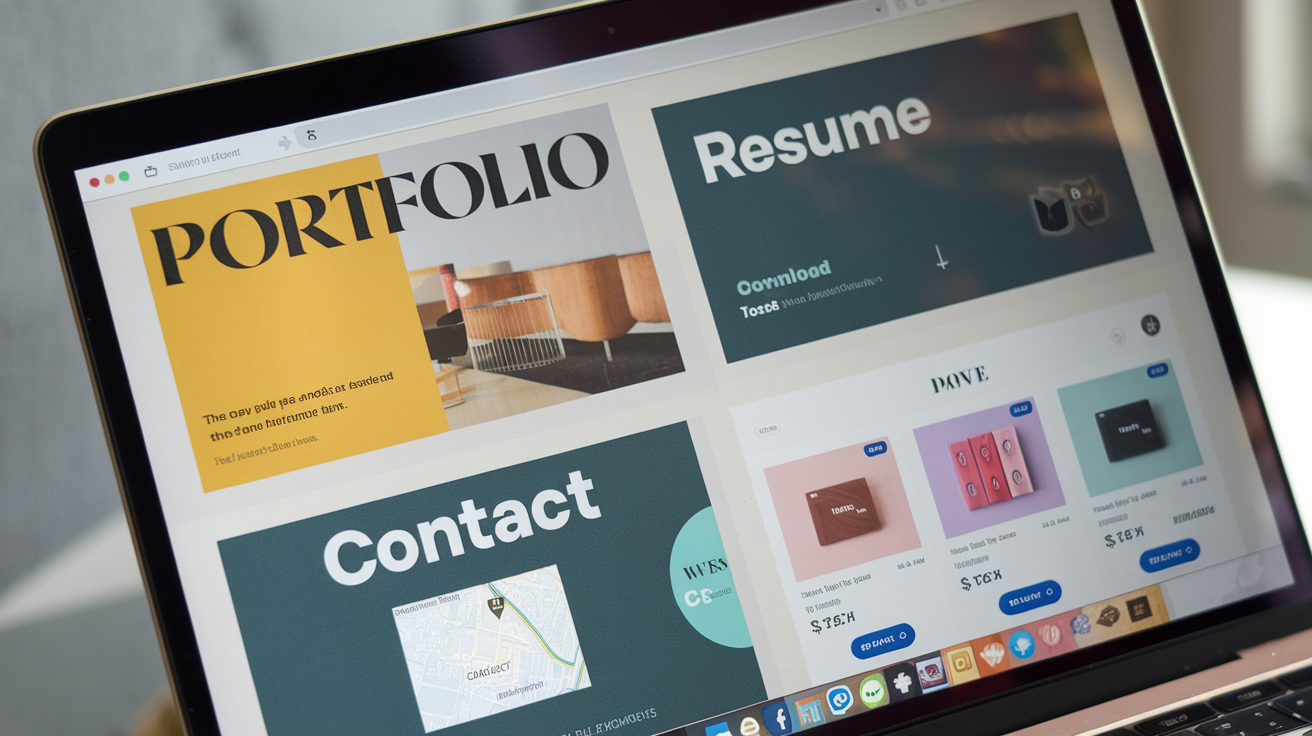
A close-up view of a website portfolio and contact page designed to showcase brand identity and project work effectively.
Each website type serves a different purpose and requires specific features. Knowing the type of website that aligns with your business objectives will help you communicate your needs to a web design agency effectively.
- E-commerce Websites: Designed for businesses that sell products or services online, e-commerce sites feature product listings, shopping carts, and secure payment gateways. Given the competitive nature of e-commerce, elements like SEO optimization, fast load times, and easy navigation are essential.
- Portfolio Websites: Ideal for creative professionals like designers, writers, or photographers, these sites prioritize visual appeal and navigation. They typically feature galleries, project pages, and client testimonials, showcasing the creator’s skills and previous work.
- Blogs: Blogs are excellent for businesses that want to share information, build an audience, or establish thought leadership in a niche. Built around a content management system (CMS), these sites require features that allow for SEO optimization and easy content updates.
- Informational Websites: Primarily designed to provide users with details about a business, service, or product, informational sites suit industries like law, healthcare, or local services. They generally include sections like “About Us,” “Services,” and “Contact,” focusing on accessible, concise information.
- Subscription or Membership Websites: If you offer exclusive content or services to members, a subscription-based model is ideal. These sites need user authentication, secure payment systems, and a well-organized content structure.
Choosing the right website type will ensure your site meets its intended purpose and provides users with an optimal experience. For further guidance, our article on Things to Keep in Mind While Designing a Website for Your Startup can provide additional insights.
Setting Your Budget
Budget considerations are a critical factor in web design. The cost of a website can vary greatly, influenced by complexity, the level of customization, and the web design company’s expertise. Here’s an overview of average costs for different types of websites in 2024:
- Basic Informational Website: Small businesses needing a simple website with a few pages (e.g., “Home,” “About,” “Contact”) may spend between $2,000 and $10,000. This covers mobile optimization, basic SEO, and easy navigation.
- E-commerce Website: Due to the added complexity of product pages, secure checkout, and payment processing, these sites can range from $5,000 to $50,000. Additional features, like customer reviews or shipping calculators, can impact cost.
- Custom Portfolio Website: If your brand requires a highly personalized design and interactive features, a custom portfolio website typically costs between $5,000 and $30,000, depending on specific design elements and customizations.
- Subscription or Membership Websites: Often more costly due to required security measures and user authentication, these sites can cost anywhere from $10,000 to $60,000 based on customization and member-exclusive content options.
- Using Website Builders or WordPress: For those with smaller budgets or a preference for DIY options, website builders like Wix or Squarespace cost between $7 to $500 monthly, depending on features. Building on WordPress with basic plugins costs $40 to $800 upfront, with additional expenses for premium themes and plugins.
When setting your budget, consider not only the initial design cost but also ongoing maintenance and potential future upgrades. While it might be tempting to minimize expenses, a well-designed website is a long-term investment that can enhance user experience, boost conversions, and support business growth.
Taking the time to clarify your website goals, understand the type of site you need, and establish a realistic budget will set you up for success as you proceed with selecting a web design partner.
Step 2: Review Their Portfolio and Past Work
Evaluating a web design company’s portfolio is one of the most effective ways to gauge its capabilities, style, and experience. A portfolio reveals not only the quality of the work but also the variety and scope of projects they’ve handled. Here’s a step-by-step approach to assessing a portfolio and the kinds of projects that signal a design company’s true expertise.
What to Look for in a Portfolio
- Design Style and Aesthetic
Every brand has a unique style, and your website’s design should align with your brand identity and resonate with your target audience. When reviewing portfolios, look at how well the design elements fit the brand. For example, do they work with clean, minimalist designs, or do they lean toward vibrant, high-energy styles? Make sure their past work aligns with the aesthetic you envision for your site. Consistency in a company’s portfolio can be a good sign of a strong design style, but versatility is equally important. - User Experience (UX)
A visually appealing website is great, but it also needs to be functional and easy to navigate. Examine the UX design in their portfolio, particularly if you’re viewing an interactive or complex site, such as an e-commerce store. Look for user-friendly layouts, clear calls-to-action, and smooth navigation paths. Research indicates that 88% of online consumers are less likely to return to a website after a bad user experience (source: HubSpot), so it’s essential that the design company demonstrates a strong UX focus. - Industry Relevance
Some industries have specific design needs—such as robust product filters for e-commerce, gallery features for portfolios, or user-friendly information hubs for resource sites. If the design company has experience in your industry, it could be a major advantage. Look for any similar projects in their portfolio to get a sense of how well they understand your market’s unique needs. - Website Functionality
For businesses that require specific features, such as booking systems, client portals, or e-commerce capabilities, make sure the design company has demonstrated experience with these functionalities. Review how well their past sites function, paying attention to elements like loading speed, mobile responsiveness, and multimedia integrations. A quality web design company will prioritize performance across devices, ensuring a smooth experience for users on any platform.
Case Studies and Client Success Stories
While portfolios offer a quick visual overview, case studies and client success stories provide a deeper insight into the design company’s approach, problem-solving skills, and the results they deliver. Case studies are particularly valuable for understanding the real impact of a web design project. Here are a few things to look for:
- Problem-Solving and Creativity
Case studies often highlight a specific challenge or goal that the client needed to address. Look for examples where the company demonstrated creative problem-solving or innovation to meet these challenges. For instance, if a client needed a unique feature or faced a specific branding challenge, the web design company’s solution can reveal their adaptability and ability to deliver on unique demands. - Measurable Outcomes
A strong case study includes data showing the impact of the redesign. Did the new website improve user engagement, boost conversion rates, or reduce bounce rates? Concrete numbers, such as “a 30% increase in conversions” or “a 20% reduction in load time,” give you a clear idea of how the company’s work impacts real business outcomes. For more insights into the power of measurable outcomes in branding, see our article on What Makes Online Branding Effective. - Adaptability Across Industries
If the web design company has handled projects across different industries, it’s a sign of their versatility and understanding of diverse audiences. This adaptability can be particularly useful if your brand requires a unique or less common design approach.
Questions to Ask About Past Projects
To gain even more insight, don’t hesitate to ask direct questions during consultations. Consider these key factors:
- What was your role in the project?
Web design companies sometimes showcase work done in collaboration with other agencies or third-party contractors. Confirming their exact role helps you understand their core strengths and how hands-on they were in the project. - What was the outcome of the project?
Ask about the specific results achieved post-launch. A reputable web design company should be able to provide statistics or anecdotal evidence that their design helped improve customer engagement, sales, or brand recognition. - Can I speak with past clients?
Testimonials are great, but direct conversations with previous clients give you a more authentic sense of the company’s communication style, project management skills, and the overall experience they provide.
When reviewing a portfolio and case studies, remember that you’re not just evaluating design skills. You’re assessing the company’s ability to solve problems, create intuitive and beautiful user experiences, and produce real, measurable results. Following this step will set you on the path to finding a web design company that can bring your vision to life in a way that resonates with your audience and drives tangible business outcomes.
Step 3: Check Client Reviews and Testimonials

A close-up of colorful post-it notes on glass reflecting client feedback, symbolizing diverse perspectives and satisfaction from working with a website design agency.
Evaluating client reviews and testimonials is crucial when choosing a reliable web design agency. Platforms like GoodFirms provide valuable insights into an agency’s reliability, quality of work, communication style, and problem-solving abilities. Here’s how to approach this step effectively:
Where to Find Authentic Reviews
- Google and Yelp: These platforms are accessible and commonly used for local and international business reviews. Google Reviews is particularly useful as it often contains detailed feedback across various industries, highlighting the agency’s strengths and weaknesses. Yelp, especially for local agencies, can provide insights into customer service, reliability, and responsiveness.
- Clutch.co: For professional services, Clutch is a reliable source offering in-depth reviews, project details, and client feedback. It’s particularly beneficial because reviews on Clutch often provide specifics about the project, such as budget, timelines, and results. This level of detail allows you to assess the agency’s effectiveness and project management capabilities.
- Social Media and LinkedIn: Many web design agencies actively engage on social platforms like LinkedIn, Facebook, and Instagram, where clients might leave comments or feedback. While these might be less comprehensive than Google or Clutch reviews, they can provide a quick snapshot of client satisfaction and how the agency handles public feedback.
Reading Between the Lines
While the number of positive reviews is important, quality matters more than quantity. Here are tips to identify genuine, relevant insights:
- Consistency: Look for patterns in the feedback. If multiple reviews highlight issues like missed deadlines or poor communication, these could be red flags. Similarly, consistent praise for design quality, creativity, or professionalism indicates a reputable agency.
- Response to Feedback: A company’s response to reviews, especially negative ones, shows its commitment to client satisfaction. If an agency handles criticism professionally and addresses concerns openly, it’s a good sign of accountability and customer focus.
- Detail-Rich Reviews: Reviews that describe specific aspects of the project, such as technical challenges or design preferences, are often more genuine. Overly generic language or sudden bursts of five-star reviews may signal fake reviews.
Questions to Ask Based on Reviews
Once you’ve analyzed reviews, bring relevant insights into your consultation:
- How do you ensure effective communication throughout the project? If communication issues appeared in reviews, ask about their communication protocols and transparency with clients.
- What’s your process for handling revisions or adjustments? If responsiveness was a concern in reviews, ask about how they manage feedback loops and revisions during the design phases.
- Can I speak with a past client? If reviews were mixed, request references or testimonials directly from the agency. This will give you an opportunity to hear an unbiased perspective.
Checking reviews and testimonials carefully gives you an inside look into the agency’s working style and track record, helping you make a more informed choice.
Step 4: Evaluate Their Communication and Project Management Skills
Effective communication and organized project management are key indicators of a successful web design partnership. Without a clear system for communication and progress tracking, even the most skilled agencies can struggle to meet client expectations. When assessing a web design agency’s communication style and project management skills, here’s what to look for:
Why Clear Communication Matters
In any web design project, seamless communication can make the difference between success and frustration. Good agencies understand this and prioritize transparency from the outset, keeping you informed on progress, timelines, and any potential issues. Look for an agency that:
- Sets Expectations Early: They should outline how often they’ll communicate, preferred communication channels (like email, Slack, or Zoom), and how updates will be delivered. For example, do they offer regular check-ins or scheduled updates?
- Responds Promptly: Pay attention to how quickly they respond to your initial inquiries. Timely responses indicate an agency’s commitment to open communication. Slow or inconsistent replies can be a warning sign of future communication gaps, which may lead to misalignment or missed deadlines.
Signs of Effective Project Management
Project management involves tracking progress, ensuring deadlines are met, and coordinating feedback. Look for agencies that use project management tools and have a structured workflow:
- Use of Project Management Tools: Agencies that utilize tools like Asana, Trello, or Monday.com are more likely to stay organized and meet deadlines. These platforms allow for task assignment, timeline visualization, and status updates, ensuring you have visibility into each phase of the project. For instance, a reliable agency might share a project board with you, so you can track progress in real time.
- Defined Processes and Timelines: A professional agency will walk you through their project phases, from initial design to final development. Each phase should have clear milestones, such as design drafts, wireframes, and content integration. Knowing their process helps you understand when to expect deliverables and when you’ll need to provide feedback.
- Regular Updates and Milestones: Regular updates keep the project on track. An experienced agency will schedule frequent check-ins to discuss completed tasks and any adjustments required. They should also set realistic milestones with specific deadlines, ensuring the project stays within the agreed timeline.
Questions to Ask During Initial Meetings
When meeting with potential agencies, ask questions that clarify their communication style and project management approach:
- How do you handle project timelines and delays? A good agency will outline their approach to handling unexpected delays, whether it’s adjusting timelines or re-prioritizing tasks. This reflects their dedication to openness and responsibility.
- Who will be our main point of contact? It’s important to know who your primary contact will be throughout the project. Ideally, this should be someone with in-depth knowledge of the project and authority to make decisions or address issues as they arise.
- How do you gather and implement client feedback? Understand how the agency incorporates your input. Ask if they allocate specific times for feedback or offer flexible communication throughout the project. Agencies that actively involve clients in the process are more likely to deliver a website that aligns with your vision.
- What project management tools do you use? Ask about the tools they rely on to manage timelines, track tasks, and facilitate communication. If they use platforms like Slack for messaging or Google Drive for document sharing, ensure you’re comfortable with their setup and can access necessary information.
- How do you handle changes to the project scope? Changes can arise unexpectedly. Knowing how the agency addresses scope adjustments, whether through formal documentation or flexible revisions, can prevent misunderstandings and additional costs.
The Importance of a Reliable Partnership
In the end, you want an agency that values partnership. A strong communication strategy paired with organized project management helps ensure that your website project flows smoothly, meeting both your expectations and deadlines. By focusing on these aspects, you’ll be able to identify an agency that’s not just building a website but is invested in your long-term success.
The post The Ultimate Guide to Choosing the Right Website Design Agency appeared first on Best Media Agency.
]]>In today’s digital world, online branding is no longer just an option—it’s essential. With so many businesses competing for visibility and consumer attention, having a strong online brand presence can be the difference between thriving and merely surviving. But what exactly makes online branding effective? What separates a forgettable brand from one that sticks in the minds of consumers and becomes synonymous with trust and value?
In this guide, we’ll take a closer look at the key elements that make online branding successful. We’ll also explore strategies to help brands stand out and provide actionable tips to strengthen your digital presence.
Why Online Branding Matters
Before we get into the details of effective online branding, it’s important to first understand why it matters. In short, online branding is about creating a unique and recognizable identity for your business across all digital platforms. This identity helps you build trust with your audience, engage customers, and set yourself apart from the competition.
In fact, research from LucidPress shows that businesses with consistent branding across all channels can increase revenue by up to 23%. This demonstrates that companies that prioritize their brand’s presence online are more likely to see significant returns.
The primary goals of online branding include:
- Building Trust: A consistent brand signals professionalism and reliability.
- Creating Emotional Connections: A strong brand resonates with your audience and fosters loyalty.
- Boosting Recognition: When your brand is easily recognizable, it enhances visibility and market share.
- Driving Conversions: Effective branding leads to better customer experiences, which ultimately increase sales and engagement.
Now, let’s move on to the key elements that make online branding effective.
Core Elements of Effective Online Branding
1. Consistency is Key
One of the most important aspects of successful online branding is consistency. Your brand needs to be cohesive across all platforms, whether it’s your website, social media profiles, or email campaigns. This consistency reassures your audience and helps them form a stronger connection with your brand.
Visual Consistency:
The visual elements of your brand—such as your logo, color palette, typography, and imagery—should be instantly recognizable no matter where customers interact with you. For instance, whether they see a social media post, visit your website, or receive an email from your company, the look and feel should be consistent.
Tone and Messaging Consistency:
In addition to visuals, the tone and messaging of your brand should also remain consistent across all platforms. For example, if your website has a formal tone but your social media posts are casual and humorous, it can confuse your audience. This inconsistency can weaken your brand’s identity.
Moreover, using consistent messaging helps reinforce your brand’s values and mission. When customers encounter your content, they should immediately recognize your brand’s voice and know what to expect.
Actionable Tip:
Create a brand style guide to ensure that all visuals, tone, and messaging are aligned. This guide can be shared with your team to keep your brand consistent no matter who is creating content or marketing materials.
To learn more about aligning your business’s appearance with your brand, check out our article on Aligning Your Business with Your Appearance.
2. Authenticity Builds Trust
In today’s world of information overload, consumers are constantly bombarded with marketing messages. As a result, people are looking for brands that feel authentic and genuine. Brands that stay true to their values and communicate honestly with their audience are more likely to build long-term trust.
Why is authenticity vital in Online Branding?
Authenticity is a cornerstone of successful online branding because it builds genuine connections with your audience. In a world where consumers are flooded with marketing messages, people are drawn to brands that feel human, transparent, and relatable. According to a Stackla study, 86% of consumers say that authenticity is a major factor in deciding which brands to support. This means that brands showing real stories, honest messaging, and a clear commitment to their values are more likely to gain trust and loyalty. When your online branding reflects authenticity, it helps people feel they can trust your brand and rely on it, fostering a lasting relationship that goes beyond simple transactions. Authentic brands resonate more deeply with their audience, leading to stronger, more meaningful customer relationships.
How to Build Authenticity in Your Online Branding:
- Share your company’s mission and values openly.
- Show behind-the-scenes moments or stories that highlight your brand’s personality and culture.
- Be honest and admit mistakes when they happen. This shows integrity and builds trust over time.
Actionable Tip:
Engage with your audience in an authentic way, especially on social media. Respond to comments, share user-generated content, and participate in discussions about your industry. The more genuine your interactions, the stronger your connection with your audience will be.
3. SEO is Essential for Online Branding
SEO is essential to effective online branding because it boosts your brand’s visibility across search engines like Google. When you optimize your website content, keywords, and structure, you increase the chances that people searching for products or services in your industry will find you at the top of their search results. This visibility is crucial for building brand awareness and attracting more visitors to your site. By appearing higher in search rankings, SEO helps establish your brand’s authority and credibility, making you the go-to choice in your niche. In short, strong SEO practices make your brand more accessible and recognizable to potential customers, supporting long-term growth and trust in your online branding.
Why is SEO Important for Branding?
SEO helps build your brand’s online authority. By ranking high on search engines, your business becomes more visible and trustworthy in the eyes of potential customers. In fact, 75% of users never scroll past the first page of search results, according to HubSpot. This makes it crucial for your brand to appear at the top.
Key SEO Strategies for Branding:
- Optimize Your Website: Use relevant keywords, meta descriptions, and well-structured content that reflects your brand.
- Create High-Quality Content: Focus on solving problems, educating, or entertaining your audience.
- Leverage Local SEO: If your business targets a specific area, make sure you use local SEO tactics to improve visibility.
Actionable Tip:
Make sure your business is listed on Google My Business and other local directories to improve local SEO. This is especially important if you’re targeting customers in a specific region.
4. A Strong Social Media Presence
Social media is a powerful tool for building your brand. It allows you to connect with your audience directly and build relationships in real-time. Social platforms like Instagram, Facebook, and LinkedIn give your brand a voice and make it more approachable.
How Does Social Media Boost Branding?
Your social media profiles serve as extensions of your brand. They offer opportunities to tell your brand’s story, engage with followers, and promote your products or services in creative ways.
Here’s What to Focus On:
- Engaging Content: Post content that encourages likes, shares, and comments. The more engagement your posts receive, the more your brand’s visibility grows.
- Consistency: As mentioned earlier, keep your branding consistent across all platforms, from visuals to tone.
- Storytelling: Share behind-the-scenes content, success stories, or employee highlights to create a deeper connection with your audience.
If you’re just getting started with a new business or revamping your website, take a look at our guide on Things to Keep in Mind While Designing a Website for Your Startup. A well-designed website goes hand-in-hand with a strong social media presence.
Additionally, social media allows for user-generated content, which can significantly boost your brand’s reach. According to Crowdtap, user-generated content is 35% more memorable and 50% more trusted than traditional media.
Actionable Tip:
Use social media tools like Hootsuite or Buffer to schedule posts and keep your content consistent. Also, create branded hashtags to help build a sense of community around your brand.
5. Content Marketing for Authority and Engagement
In the digital world, content truly is king. Content marketing is one of the most effective ways to build your brand’s authority and keep your audience engaged. By creating valuable content that aligns with your brand’s message, you establish trust with your audience and position yourself as an expert in your field.
Why is Content Marketing Important for Branding?
Content marketing is essential for online branding because it allows you to share valuable information that goes beyond simply promoting your products or services. High-quality content, like blog posts, videos, guides, or case studies, provides educational and helpful insights, positioning your brand as a trusted source. By addressing your audience’s questions, needs, or challenges, you build a meaningful connection and demonstrate your brand’s expertise. This deeper engagement not only builds trust but also fosters loyalty, as customers are more likely to support brands that offer genuine value and understanding. In the long run, content marketing strengthens your brand’s identity and sets you apart as a reliable leader in your industry.
Types of Content to Focus On:
- Blog Posts and Articles: Writing blog posts and articles helps position your brand as an authority in your industry. By sharing informative, relevant insights, you show that you understand the field, which helps potential customers view your brand as knowledgeable and credible. Additionally, blog content improves your website’s SEO by targeting specific keywords, making it easier for people to find you online.
- Video Content: Videos are one of the most engaging ways to connect with audiences today. Through videos, you can tell stories, explain complex topics, or demonstrate product features in a simple, visual way. They’re a powerful tool to show your brand’s personality, making it easier for viewers to feel connected and engaged.
- Case Studies and Testimonials: Sharing real customer success stories or testimonials showcases how your product or service has positively impacted others. Case studies offer specific examples of how your brand delivers results, and testimonials build trust by providing social proof. These formats help potential customers feel confident in choosing your brand by seeing how others have benefitted.
Actionable Tip:
Plan your content using a content calendar. Include a mix of blog posts, videos, infographics, and case studies to keep your audience engaged and interested.
For more ideas on how to create effective content, you can read this article on Building Brand Recognition Through Content.
6. PPC and Paid Advertising
Lastly, while organic growth through SEO and content marketing is crucial for long-term success, paid advertising offers a faster way to increase your brand’s visibility. With pay-per-click (PPC) campaigns, you can display ads to specific audiences based on their interests, location, and browsing behavior, allowing you to reach potential customers quickly. PPC campaigns can drive traffic to your website within hours of launching, making them ideal for boosting brand awareness in a short time. By using both organic and paid strategies, you maximize your reach and ensure your brand stays top-of-mind for your target audience.
Why Use PPC for Branding?
PPC (Pay-Per-Click) ads on platforms like Google, Facebook, and Instagram are an effective way to increase brand visibility and drive targeted traffic to your website. Unlike organic methods, PPC ads give you immediate exposure and can be tailored to reach specific audiences based on their interests, demographics, and online behavior. This ensures your brand reaches the right people at the right time, boosting awareness and engagement with potential customers.
Actionable Tip:
Define your audience and create compelling, clear ad copy that resonates with them. Use eye-catching visuals or headlines that reflect your brand values and message. Regularly monitor your ad performance and make adjustments to improve targeting and engagement.
Your Top Questions Answered: Online Branding Essentials
1. What is online branding, and why is it important?
Online branding is the process of creating a consistent and recognizable identity for your business across digital platforms, including your website, social media, and search engines. It’s important because it helps you stand out in a crowded digital space, builds trust with your audience, and shapes how potential customers perceive your business. A strong online brand can lead to increased customer loyalty, better engagement, and improved sales, as people are more likely to choose brands they recognize and trust.
2. How can I make my brand stand out online?
To make your brand stand out, focus on consistency, authenticity, and a clear message. Consistency means using the same colors, logo, tone, and values across all platforms, so people instantly recognize your brand. Authenticity is about being genuine and true to your brand’s mission and values—showing the human side of your business. Lastly, communicate your brand’s unique qualities and benefits clearly, emphasizing what makes you different from competitors. When these elements work together, your brand becomes more memorable and relatable.
3. What role does social media play in online branding?
Social media plays a huge role in online branding because it lets you directly connect with your audience. Platforms like Instagram, Facebook, and LinkedIn give you the chance to show your brand’s personality, tell your story, and interact with followers in real time. Through engaging posts, live videos, and direct messaging, social media builds stronger relationships with customers, turning them into loyal supporters. Social media also makes it easy for your audience to share your content, which can expand your brand’s reach and attract new followers.
4. How does SEO support my online branding efforts?
SEO (Search Engine Optimization) helps people find your brand by improving your website’s position on search engines like Google. When your website appears at the top of search results, more people see it, which increases brand visibility. SEO also builds authority; if people consistently see your brand in search results, they’re more likely to trust it as a leader in your industry. Good SEO practices include using relevant keywords, creating valuable content, and optimizing your website’s structure, all of which contribute to a stronger online brand.
5. Can small businesses achieve effective online branding?
Absolutely! Small businesses can create strong online brands by focusing on what makes them unique. Being a small business often means you can connect with customers in a more personal and authentic way. Use your story, values, and mission to show what sets you apart, and engage actively with your audience on social media. Small businesses can often be more flexible and responsive, building loyalty by offering a unique, genuine experience that larger brands may struggle to match.
6. How long does it take to see the impact of online branding?
Building a strong online brand is an ongoing process. Some elements, like paid advertising, can create immediate visibility, but organic branding through SEO, content marketing, and social media usually takes several months to build up. Think of online branding as a long-term investment: the more consistent and authentic you are, the stronger your brand will become. Over time, this approach helps you create a lasting connection with your audience, which leads to sustainable growth and recognition.
7. Do I need a brand style guide?
Yes, a brand style guide is essential. It’s a document that outlines how your brand should look, sound, and feel across all platforms. This includes guidelines for colors, fonts, logos, and messaging tone. A brand style guide keeps everything consistent, which is important for building recognition. It also makes it easier for anyone working on your brand—like team members or outside agencies—to understand your brand’s identity and stay aligned with it, creating a cohesive and professional impression.
8. What is the role of content in online branding?
Content is the heart of online branding because it lets you share valuable information, connect with your audience, and show your expertise. Through blogs, videos, case studies, and social media posts, you’re able to address your customers’ needs, answer questions, and solve problems. This not only positions your brand as a helpful resource but also builds trust. Quality content keeps your audience engaged and gives them reasons to return to your brand, strengthening your brand’s presence over time.
9. Why is authenticity important in online branding?
Authenticity is essential because today’s customers want to support brands that feel real and trustworthy. Being authentic means showing your brand’s personality, being transparent, and staying true to your values. When you’re open about who you are and what you stand for, customers feel a stronger connection to your brand, which builds loyalty. Authentic brands tend to attract dedicated followers who appreciate honesty and are more likely to support your brand long-term.
10. How does paid advertising fit into an online branding strategy?
Paid advertising, like PPC (Pay-Per-Click) campaigns, can play an important role by boosting your brand’s visibility quickly. Ads on platforms like Google, Facebook, and Instagram allow you to reach specific audiences, making it easier to attract the right customers. While organic branding efforts take time, paid ads can create instant exposure, especially useful for promoting new products or seasonal offers. Paid ads work best when they support your ongoing branding strategy, giving your brand a boost while you continue building your presence organically.
Conclusion
Effective online branding involves more than just a great logo or catchy tagline. It’s a multi-layered approach that includes consistency, authenticity, SEO, social media, content marketing, and paid advertising. By mastering these elements, you can create a powerful brand that not only resonates with your audience but also builds lasting trust and loyalty.
When done right, online branding helps your business stand out in a crowded marketplace, creates meaningful connections with your customers, and drives long-term growth. Whether you’re just starting out or looking to strengthen your brand’s online presence, following these core principles will help you build a brand that not only looks great but delivers real, measurable results.
So, take action now! Start by ensuring consistency in your brand across all platforms, engage with your audience authentically, and make sure your website and content reflect the values that set your business apart. If you’re ready to dive deeper into specific areas of online branding, don’t forget to explore related articles on SEO strategies, social media optimization, and PPC campaigns.
Remember, building a successful brand online is an ongoing journey. Keep refining, evolving, and most importantly, staying true to what makes your brand unique.
The post What Makes Online Branding Effective? appeared first on Best Media Agency.
]]>