For a startup, finding the right web development agency is more than just hiring for technical skills. It’s about partnering with an agency that understands the nuances of startup challenges—tight budgets, the need for quick yet sustainable growth, and the importance of strong branding. The right development partner will tailor their approach, balancing functionality and design with budget constraints, to set up a foundation for long-term success.
In this guide, we’ll walk through key factors to consider in your search for a development partner, providing actionable steps to help you find an agency that aligns with your goals and supports your growth.
Define Your Startup’s Website Goals and Budget
When working with a web development company, startups need to begin by defining their website’s core purpose and setting a realistic budget. With a clear vision, your partnership with a web development agency can become a targeted, strategic investment.
Identify Your Core Website Goals
Ask yourself: What primary role will your website serve for the business? This goal will shape your website’s design, features, and the approach of the web development company. Consider these common objectives:
- E-commerce: For startups looking to sell products online, the site needs to deliver a seamless shopping experience, complete with product pages, a user-friendly cart, and secure checkout options.
- Portfolio or Showcase: Service-oriented startups, such as designers or consultants, may want a site that prominently displays past work, helping to build credibility and attract clients.
- Lead Generation: If capturing leads or building an email list is a priority, your website should be optimized with strong calls-to-action (CTAs), well-placed forms, and engaging content aimed at your target audience.
- Information Hub: For educational startups, having a blog or resources section can help establish authority in the industry, draw in organic traffic, and engage users.
Each goal will require different design and functionality elements, so clarity on your objectives can guide the web development agency in crafting an effective website.
Balancing Budget and Quality with Your Web Development Company
Budget constraints are common for startups, but you don’t have to sacrifice quality. By setting priorities that align with your business goals, you can make the most of your resources while working with a web development company.
- Start with a Minimal Viable Product (MVP): Launch with the essential features only. This allows you to test the site’s effectiveness and gather user feedback, refining it over time.
- Opt for Scalable Features: Invest in features that are easy to expand later. If lead generation is your focus, start with basic forms and add a more sophisticated CRM system as the business grows.
- Consider Cost-Effective Platforms: Many startups opt for affordable website builders like WordPress, Wix, or Squarespace. If you require custom solutions, collaborate with a web development agency that balances custom-built and pre-designed components.
Aligning Brand Identity with Budget Planning
One key to a successful website for startups is a cohesive brand identity that resonates with visitors. With a limited budget, it’s essential to invest in high-impact branding elements like logos, color schemes, and consistent messaging. These can reinforce your brand image without breaking the bank.
For additional insights on building a consistent brand identity, explore our article on Why Brand Identity and Brand Guidelines Matter for Success.
What to Look for in a Web Development Company’s Portfolio
When choosing a web development company for your startup, their portfolio is your first look into their design style, approach to user experience, and alignment with startup goals. For startups with unique needs and budget constraints, evaluating a portfolio effectively can make the difference between a functional website and one that truly resonates with your audience.
Key Aspects to Assess in a Portfolio
- Design Style and Aesthetics
Startups benefit from a clean, modern design that reflects their brand identity. As you browse through the web development company’s portfolio, pay close attention to the design aesthetics of their previous projects. Are the layouts visually appealing yet uncluttered? Is there a consistent approach to branding elements, such as logos, color schemes, and typography, that aligns with your own vision? Look for work that matches the visual tone you envision for your startup. - User Experience (UX) and Navigation
A website’s success is determined not only by its appearance but also by how easily users can interact with it. Check for examples where the web development agency has created intuitive, seamless navigation. Features like a well-organized menu, responsive design, and strategically placed calls-to-action are signs of a company that values user experience. Remember, your website needs to make it easy for visitors to find information, contact you, or make a purchase without any friction. - Industry Relevance and Experience
While some web development companies are versatile, others specialize in specific industries. Look for experience in creating sites for startups or businesses in similar fields to yours. For example, if you’re launching an e-commerce startup, examples of past e-commerce sites with effective product showcases and checkout experiences show that the company understands industry-specific needs. - Branding and Storytelling
For startups, a website should not only function well but also tell your brand’s story. The portfolio should reflect a clear understanding of branding, with a cohesive look and feel that ties into the client’s mission. Whether it’s through visual design, messaging, or interactive features, look for projects that successfully convey a strong brand identity. This can be an indicator of how well the company might translate your startup’s values and story online.
Reviewing Case Studies and Results
Some web development companies go beyond showcasing screenshots in their portfolios and provide case studies. Case studies give valuable insights into the goals, challenges, and outcomes of past projects, revealing how the company approaches problem-solving and delivers results.
A case study typically includes:
- Client Goals and Challenges: What was the client looking to achieve, and what hurdles did they face?
- Approach and Solution: How did the company tackle the problem? What unique features or design elements did they introduce?
- Measurable Results: Did the site increase user engagement, lead generation, or sales? Metrics provide concrete evidence of the company’s effectiveness.
Case studies can be especially informative if they feature startups, showing that the company understands the unique needs and limited budgets typical of early-stage businesses.
Example of Successful Startup Site
To see how successful portfolio analysis can look, Forbes offers insights into how to evaluate a web development agency’s portfolio that align well with startup needs, including finding balance between design and functionality.
By taking the time to analyze portfolios through the lens of your goals, you’ll be better prepared to choose a web development company that aligns with your brand, resonates with your audience, and supports your startup’s growth.
Understanding Agency Expertise and Services
When evaluating a web development company, it’s essential to understand the specific expertise and services they bring to the table. For startups, a well-rounded agency with a strong foundation in core development areas ensures that your website will be built to scale, perform well on search engines, and offer a seamless user experience on any device. Here’s what to look for in a web development company’s expertise:
Key Services and Expertise to Look For
- Mobile Responsiveness
In today’s mobile-driven world, your website must be optimized for all devices, especially smartphones. A mobile-responsive design ensures that users can navigate and interact with your website comfortably on any screen size. A good web development agency will prioritize a mobile-first approach, ensuring that your website is fast, easy to navigate, and fully functional across all devices. Mobile responsiveness is not just a convenience—Google’s search algorithm favors mobile-optimized sites, giving your startup a competitive edge in visibility. - Search Engine Optimization (SEO)
Startups often face the challenge of establishing visibility in a crowded online space. SEO plays a critical role in helping your website get found by potential customers from day one. A web development company with strong SEO expertise will ensure that your site architecture, page load speed, and meta tags are optimized to rank higher in search engine results. Additionally, implementing SEO best practices during the development phase—such as optimizing images, setting up schema markup, and ensuring fast load times—can significantly impact your website’s ability to attract organic traffic.For a deeper understanding of how branding and SEO intersect, read our article on What Makes Online Branding Effective. - Scalability and Flexibility
As your startup grows, your website needs may evolve. A flexible, scalable website infrastructure enables you to add features and functionality without having to rebuild your entire site. Whether it’s expanding product pages, adding a blog, or integrating third-party tools, the agency you choose should have experience building websites that can grow alongside your business. Scalability is also key if your site begins to see higher traffic volumes, as it helps ensure your site remains fast and efficient, even during peak periods. - User Experience (UX) and User Interface (UI) Design
A startup’s website must offer an intuitive and pleasant user experience. The agency should be proficient in UX/UI design principles, which involve creating layouts that are not only visually appealing but also easy to navigate. Good UX keeps visitors on your site longer, reduces bounce rates, and encourages users to take action—whether it’s signing up for a newsletter, making a purchase, or contacting your team. - Content Management Systems (CMS)
Startups often need a content management system to easily update their website content as the business evolves. A web development agency experienced with popular CMS platforms like WordPress, Shopify, or custom CMS solutions can help you make informed choices based on your budget, goals, and technical needs. A CMS empowers your team to manage content changes without needing continuous developer support, making it ideal for startups with dynamic content requirements. - Security and Maintenance
Cybersecurity is a growing concern, and protecting user data is essential for maintaining credibility. An experienced agency should prioritize secure development practices, including implementing SSL certificates, setting up secure payment gateways, and keeping the site’s software updated to prevent vulnerabilities. Additionally, inquire about ongoing maintenance services to ensure your website remains secure, up-to-date, and performing optimally over time.
Why These Services Matter for Startups
Each of these services contributes to a solid foundation that can support a startup’s growth. Choosing a web development agency with expertise in these areas ensures that your website is prepared to handle early challenges, support brand visibility, and create an engaging user experience that builds trust with visitors.
An agency well-versed in mobile responsiveness, SEO, and scalability brings more than just technical skills to the table—they bring a strategic advantage that allows your startup to compete and grow in the digital landscape. By investing in these areas, you set up your website to perform effectively and scale with your business needs.
Evaluating the Agency’s Process and Communication
For a successful collaboration, it’s essential to work with a web development agency that not only has the technical skills but also a clear, efficient process. A transparent and collaborative workflow allows startups to stay informed and engaged throughout the project, leading to a website that truly aligns with your brand and business goals. Here’s how to evaluate an agency’s process and communication style to ensure a smooth experience:
Key Aspects of a Productive Process and Communication Style
- Project Management Tools and Workflow Transparency
The agency’s choice of project management tools can significantly impact the workflow. Tools like Asana, Trello, and Monday.com are commonly used to track project milestones, assign tasks, and keep communication streamlined. These platforms offer transparency, allowing you to check in on progress, give feedback, and stay updated on deadlines without waiting for formal meetings. When discussing potential agencies, ask them to walk you through their typical project setup and how they handle task management. - Effective Communication Channels
For many startups, consistent communication is a top priority. Agencies often use communication tools such as Slack, Microsoft Teams, or email to keep in touch. During your initial discussions, gauge their responsiveness and willingness to set up regular check-ins or updates. Clear, open communication helps ensure that everyone is on the same page, from design elements to timelines, reducing the risk of misunderstandings and delays. Discuss how frequently you’ll have updates, whether it’s weekly calls or bi-weekly reports, to ensure the cadence meets your needs. - Responsiveness and Flexibility
Startups often operate in fast-moving environments, and the right web development agency will understand the need for flexibility. Responsiveness—whether in addressing concerns or implementing feedback—shows the agency’s commitment to collaboration. During your evaluation, pay attention to how promptly they respond to initial inquiries and questions. This can give you insight into how they’ll handle communication and feedback once the project is underway. - Feedback and Revision Protocol
It’s normal to have multiple rounds of feedback during a website development project. Ensure the agency has a structured yet flexible approach to handling feedback and revisions. Many agencies use staged approvals for each phase, such as initial design, content implementation, and final testing. This structured process allows you to provide feedback before moving on to the next stage, ensuring that your vision is aligned at every step. Ask about the number of revision rounds included in their proposal and how they handle additional changes. - Clear Project Milestones and Timeline
A well-organized web development company will outline clear milestones for each stage of the project, from initial discovery to launch. These milestones provide checkpoints to review progress, address any concerns, and ensure the project remains on schedule. Ask the agency to share a sample project timeline so you can understand how they plan and allocate resources. This helps you get a sense of their time management and organizational skills, both of which are critical for timely project completion.
Why Communication Matters for Startups
For startups, working with an agency that’s communicative and organized is crucial for maintaining project momentum. An agency with a transparent process not only ensures that the project remains on track but also provides peace of mind, allowing you to focus on other aspects of growing your business. Effective communication fosters trust and collaboration, which are invaluable when building a strong, impactful online presence.
Internal Link: For more insights on evaluating agency processes and building a collaborative relationship, check out The Ultimate Guide to Choosing the Right Website Design Agency.
Prioritizing Startup-Friendly Features for Your Website
For a startup, having a functional, user-friendly website that reflects your brand’s identity is essential, but it’s equally crucial to incorporate features that support growth and engagement. Your website should not only look great but also perform well in ways that drive conversions, improve SEO rankings, and enhance the user experience. Here are some key features to prioritize when designing a website for startups:
1. User-Friendly Navigation
Why It Matters: Clear and intuitive navigation is critical to keep visitors engaged and moving through your website. Potential customers should be able to find what they’re looking for with minimal effort. A well-structured menu, categorized sections, and easy access to key pages—like your “About,” “Services,” and “Contact” pages—can improve user experience and reduce bounce rates. How to Implement: Start with a clean, simple layout and organize information logically. Use a fixed header that keeps navigation options visible as users scroll, especially on mobile devices. This keeps your most important pages easily accessible throughout their visit.
2. Conversion-Focused CTAs (Calls-to-Action)
Why It Matters: Calls-to-action guide users to take specific actions, whether signing up for a newsletter, requesting a demo, or making a purchase. For startups, CTAs are crucial for driving conversions and capturing leads that can be nurtured over time. How to Implement: Place prominent, compelling CTAs on key pages like the homepage, product pages, and blog posts. Use action-oriented language, such as “Get Started,” “Learn More,” or “Request a Free Consultation,” to encourage engagement. Make sure they stand out visually, using contrasting colors or larger buttons to draw attention without overwhelming the design.
3. Mobile-First Design
Why It Matters: With most users browsing on mobile, a mobile-first design approach ensures that your website is fully responsive, delivering a seamless experience across devices. Google also prioritizes mobile-friendly sites in search rankings, which can significantly impact your SEO. How to Implement: Test your website on various devices to ensure it adjusts to different screen sizes without sacrificing functionality. Use responsive images, easy-to-read fonts, and a streamlined layout that performs well on smaller screens. Prioritize mobile performance to reach and retain users on the go.
4. SEO-Optimized Content and Structure
Why It Matters: Search Engine Optimization (SEO) is essential for startups that need to build visibility in a competitive market without a huge marketing budget. By optimizing your website for relevant keywords, you can attract organic traffic and increase brand awareness. How to Implement: Focus on creating high-quality, keyword-rich content that speaks to your target audience’s needs and interests. Implement basic SEO practices, such as optimizing meta tags, using alt text for images, and structuring content with header tags (H1, H2) to make it more readable and crawlable by search engines. For a comprehensive guide to SEO, check out resources from Moz or Ahrefs.
5. Fast Loading Speed
Why It Matters: A fast website loading speed enhances user experience, improves engagement rates, and positively impacts SEO rankings. A delay of just a few seconds can lead to higher bounce rates, meaning potential customers may leave before even viewing your content. How to Implement: Optimize images by compressing them without sacrificing quality, use lazy loading for media, and minimize code to reduce page load times. Choose a reliable hosting provider with good server performance to further boost your website’s speed.
6. Social Media Integration
Why It Matters: Social media offers startups a platform to connect with audiences and drive traffic back to their websites. Integrating social links on your website allows users to engage with your brand across multiple channels, amplifying your reach. How to Implement: Include social media icons in the header or footer, linking to your brand’s active profiles. For blog posts, add share buttons so visitors can share content they find valuable, further boosting your brand’s visibility.
7. Blog for Content Marketing
Why It Matters: A blog provides an excellent opportunity for startups to engage with potential customers, build authority in their industry, and boost SEO by regularly publishing keyword-rich content. Blogging can help establish your brand as a thought leader and keep visitors returning to your site. How to Implement: Publish content that’s relevant and useful to your target audience. Topics like industry insights, product updates, and how-to guides work well for startups. To learn more about the value of consistent branding and content marketing, check out our article on What Makes Online Branding Effective.
Final Thoughts on Website Features for Startups
Prioritizing these features will ensure your website supports both your brand identity and your growth objectives. By focusing on user-friendly navigation, mobile responsiveness, SEO, and fast loading speeds, your startup’s website can become a powerful tool for attracting customers and building a credible digital presence.
How to Ensure Brand Consistency and Positioning

Learn how to maintain brand consistency and strong positioning across all platforms for a memorable and trusted startup identity.
When designing a website for startups, one of the most crucial elements to keep in mind is brand consistency. Collaborating with a professional web development agency ensures that your website aligns seamlessly with your brand’s identity, presenting a unified look across all digital platforms. This consistency not only builds trust with potential customers but also strengthens brand recognition, making your startup memorable in a competitive market.
Why Brand Consistency Matters for Startups
For startups, brand consistency can mean the difference between being memorable and getting lost in the crowd. Your brand identity — including your logo, color palette, fonts, tone of voice, and messaging — should remain cohesive across your website and other platforms. A skilled web development agency will help you achieve this by integrating these elements into your site design, creating a sense of reliability and professionalism that resonates with users.
For more insights on creating a memorable brand, see 10 Essential Tips for Building a Website for Your Startup.
Key Elements for Brand Consistency on Your Website
To create a strong, cohesive brand experience, ensure these elements are consistent across your website:
- Logo and Visual Identity: Display your logo prominently on every page. Use your brand’s primary and secondary colors throughout the website to reinforce visual identity. A web development agency can help ensure these elements are applied in a way that strengthens your brand.
- Tone of Voice and Messaging: The language and tone of your content should reflect your brand’s personality. Whether your startup has a casual or professional tone, a development agency can ensure that this voice is clear and consistent throughout.
- Imagery and Media: Use images, videos, and other media that reflect your brand’s values and aesthetic. Customized visuals aligned with your brand’s unique personality help set your website apart.
- User Experience (UX): The flow of your website should match the expectations set by your brand. A well-chosen web development agency will understand how to create UX that aligns with your brand values and appeals to your audience.
Maintaining Brand Consistency Across Digital Channels
Your website is just one piece of the digital landscape. For a comprehensive brand presence, ensure consistency across all online platforms, from social media to email marketing:
- Social Media Alignment: Ensure profile pictures, cover photos, and bios across social media channels use the same colors, logo, and messaging style as your website.
- Email Marketing: Consistency in email templates, from design to tone, reinforces your brand identity with subscribers.
- Content Marketing: If you engage in content marketing, a unified tone and visual style across blog posts and other media strengthen brand identity.
Tools and Resources to Support Brand Consistency
Consider creating a brand style guide, which outlines specific elements and rules for your logo, colors, typography, imagery, and tone. A web development agency can assist in developing this guide and ensure all online elements align with your brand.
Wrapping Up Brand Consistency and Positioning
For startups, a consistent brand is essential to building recognition and trust. By following these guidelines and working with an experienced web development agency, you can create a website that resonates with your target audience and communicates a unified, professional image across all digital channels. Maintaining a cohesive brand presence helps position your startup for long-term success and growth.
Weighing DIY vs. Hiring a Web Development Company
For startups, choosing between a DIY approach and hiring a professional web development company is a critical decision. Each option has its benefits and drawbacks, and the right choice depends on your budget, technical skills, and the complexity of your website’s needs.
DIY Website Builders for Startups: Pros and Cons
Website builders like Wix, Squarespace, and Shopify offer simple, user-friendly platforms for startups with limited budgets or minimal technical expertise. These tools allow you to create a functional, visually appealing website without hiring a web development company. Here’s a quick look at the pros and cons:
- Pros:
- Affordability: DIY platforms are generally cost-effective, with low monthly subscription fees.
- Ease of Use: These platforms come with drag-and-drop editors, making it easy for beginners to design a website.
- Quick Setup: You can get a website up and running in a matter of hours, ideal for startups looking to establish an online presence quickly.
- Cons:
- Limited Customization: While easy to use, DIY platforms often lack advanced customization, which can limit your brand’s unique identity.
- Scalability Challenges: As your startup grows, you may find it challenging to scale a DIY website to accommodate new features or higher traffic.
- SEO Limitations: DIY builders may not provide robust SEO capabilities, which are critical for startups looking to boost online visibility from day one.
For startups considering the DIY route, here’s a helpful guide on Web Development: How Appropriate It Is to Do on Your Own.
When to Choose a Web Development Company
A professional web development company offers the expertise, customization, and scalability that DIY platforms may lack. Here’s when hiring an agency is likely the best choice for startups:
- Brand-Centric Customization: If you want a unique, highly customized website that captures your brand identity and positions you as a standout in the market, a web development company provides this advantage.
- Advanced Functionality: For startups needing advanced features such as e-commerce, membership portals, or data integrations, a professional agency can handle the technical complexities.
- Long-Term Growth: As your startup grows, you’ll want a website that can scale. A web development company ensures your site is built on a solid foundation to support future growth and flexibility.
- SEO and Performance Optimization: Professional developers have the skills to implement robust SEO strategies and optimize your site’s loading speed and performance.
Choosing the right web development company allows your startup to harness a powerful, scalable, and high-performing website that meets both present and future needs.
Conclusion: The Path to Finding the Perfect Web Development Agency
In today’s competitive digital landscape, a well-designed website is crucial for a startup’s success. By understanding your goals, budget, and technical needs, you can determine the best approach—whether that’s leveraging a DIY platform or hiring a professional web development company.
Start by outlining what you need from your website for startups, weighing the pros and cons of DIY versus hiring a professional. Don’t hesitate to reach out to a web development agency that aligns with your vision. With the right partner, your startup can create a powerful online presence that fosters growth and positions you for long-term success.
Questions to Ask Before Hiring a Web Development Company
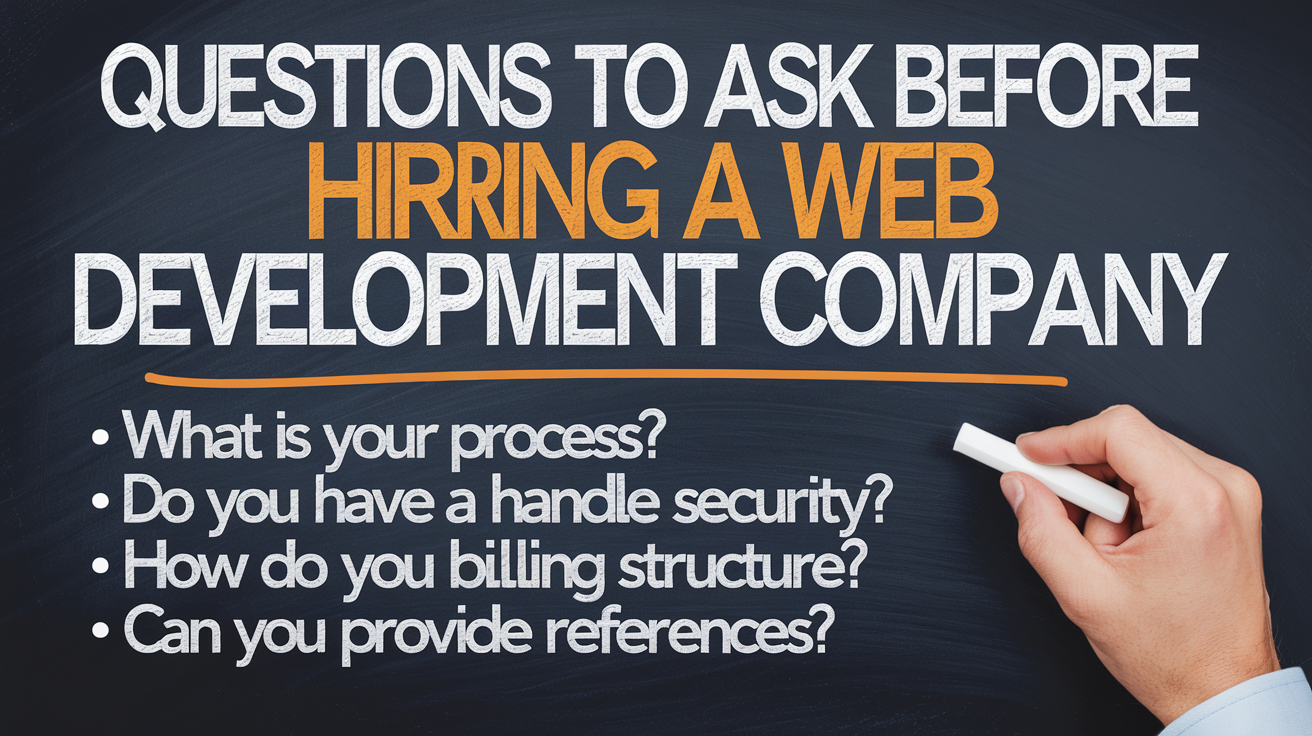
Before hiring a web development company, ask these key questions to ensure you find the right fit for your startup’s needs.
When choosing a web development company for your startup, it’s essential to ask the right questions to ensure that the agency can meet your unique needs. Here’s a checklist of crucial questions to help you assess a potential agency’s expertise, experience with startups, and the long-term support they offer.
1. What Experience Do You Have Working with Startups?
Why Ask: Startups often have different needs than established businesses, such as tighter budgets, a focus on growth, and specific brand-building goals. Follow-Up: Ask for case studies or examples of past work with other startups. This will give you insight into their approach to handling similar challenges and their ability to deliver value within startup constraints.
2. Can You Share Case Studies and Client References?
Why Ask: Reviewing case studies and speaking with past clients can provide a clearer picture of the agency’s success rate, communication style, and project management skills. Follow-Up: Look for evidence of completed projects that align with your goals. Ask the client references about their experience working with the agency, including responsiveness, flexibility, and post-launch support.
3. How Will You Ensure My Website Aligns with My Brand Identity?
Why Ask: Consistency with your brand identity is crucial for building trust and recognition among users. Follow-Up: Ask if they involve branding specialists or designers who understand your brand’s personality. For more insights into the importance of brand consistency, see Why Brand Identity and Brand Guidelines Matter for Success.
4. What’s Included in the Development Cost?
Why Ask: Understanding the breakdown of costs when working with a web development company can help you avoid unexpected expenses. Some agencies may charge extra for essential features like SEO optimization or mobile responsiveness. Follow-Up: Request a detailed estimate that includes costs for design, development, testing, and any post-launch maintenance. Clarify if there are additional charges for updates, revisions, or technical support, ensuring that your partnership with the web development company remains within budget and aligned with your goals.
5. How Do You Approach SEO and Mobile Optimization?
Why Ask: SEO and mobile responsiveness are critical for startups looking to grow their online presence. A website that’s optimized for search engines and mobile devices can help increase traffic and improve user experience. Follow-Up: Ask if they follow best practices for SEO, like optimizing meta tags, site structure, and page load speed. Inquire about their experience with mobile-first design, which is crucial for startups looking to capture mobile traffic.
6. What Project Management Tools Do You Use?
Why Ask: Effective project management tools help ensure smooth communication, track project progress, and manage timelines efficiently. Follow-Up: Look for agencies that use established tools like Slack, Trello, or Asana for transparency and collaboration. This helps both parties stay on the same page and ensures deadlines are met.
7. Will You Provide Ongoing Support and Maintenance After Launch?
Why Ask: Websites need regular updates, bug fixes, and potentially new features as your startup grows. A good web development company should offer reliable post-launch support. Follow-Up: Inquire about the specifics of their maintenance packages, including how they handle issues that arise after launch, their typical response time, and the cost of ongoing support.
8. How Customizable Will the Website Be?
Why Ask: Customization is essential for scaling and adapting your website as your startup evolves. Some agencies offer template-based solutions that may limit flexibility. Follow-Up: Ask about the platform they use and the level of customization it supports. Determine if you’ll be able to make future changes yourself or if you’ll need ongoing assistance from the agency.
9. How Long Will the Project Take from Start to Finish?
Why Ask: Timelines are essential, especially for startups with product launches or marketing campaigns tied to the website’s release date. Follow-Up: Get a clear timeline and ask how they handle delays or revisions that might extend the project. This will help you set realistic expectations and plan other business activities accordingly.
10. Do You Offer Training for Website Management?
Why Ask: After the website goes live, your team may need to manage content, upload new products, or make minor updates. Training will empower your team to handle day-to-day site maintenance. Follow-Up: Ask if they provide training sessions or documentation, like video tutorials or a user manual, for managing the website.
How to Choose a Web Development Company?
Choosing the right company involves reviewing their portfolio, understanding their expertise, and assessing their communication style. Prioritize agencies with experience in your industry and a track record of delivering on time and within budget.
What Should Startups Prioritize in a Website?
Startups should focus on creating a user-friendly, mobile-optimized website with clear branding and strong calls-to-action. Prioritize SEO and scalability for long-term growth.
How Much Should a Startup Website Cost?
Costs vary widely based on customization, features, and agency expertise. A basic startup website could range from a few thousand dollars to tens of thousands for a highly customized, scalable solution.
Why Do Startups Need SEO?
SEO enhances online visibility, helping startups attract organic traffic and potential customers. It is a cost-effective way to reach a larger audience without a substantial marketing budget.
Should I Go DIY or Hire a Web Development Company?
For limited budgets and simple sites, DIY platforms like Wix or Squarespace may be suitable. However, for scalability and custom branding, hiring a professional agency provides a more robust, flexible solution.
Final Thoughts on Choosing the Right Web Development Company
Asking these questions will give you a deeper understanding of the agency’s capabilities, approach, and whether they’re a good fit for your startup’s specific needs. A solid foundation of open communication and clear expectations will set your project up for success, ensuring a website that’s built to support your startup’s growth and branding goals.
The post Finding the Perfect Web Development Company for Your Startup appeared first on Best Media Agency.
]]>But what does it truly mean to align your online presence with your brand identity and follow established brand guidelines? And how does this alignment impact long-term success? In this article, we explore the critical role a cohesive digital appearance plays in building trust, avoiding pitfalls in mismatched branding, and actionable steps to ensure your digital presence is a true reflection of who you are.
Understanding Brand Identity and Brand Guidelines
What is Brand Identity?
Brand identity is the heart and soul of your brand. It’s everything that defines who you are to the world, encompassing your company’s values, tone, visuals, and overall personality. Imagine brand identity as the essence of your business—visible to your audience through every interaction, design, and message. Core elements of brand identity include:
- Visual Elements: This includes your logo, color palette, typography, and any other graphics that make your brand easily recognizable. These visuals help your audience recognize your brand instantly, even without seeing your company name.
- Brand Personality and Voice: Just like people, brands have personalities. Your brand could be playful, professional, friendly, or formal. Similarly, the voice of your brand is how it “speaks” to your audience. A consistent voice helps convey your brand’s values and connect with your audience emotionally.
- Core Values and Mission: What your business stands for should be evident in its brand identity. These values and mission guide how your brand interacts with the world, setting the tone for everything from customer service to marketing messages.
Think of these elements as the building blocks of your brand’s public image. Together, they create a cohesive identity that makes your business memorable and trustworthy. A well-defined brand identity gives your business personality and makes it relatable, ultimately driving customer loyalty and enhancing your digital presence.
Why are Brand Guidelines Essential?
Brand guidelines are the instructions that keep your brand identity consistent. They’re a set of rules for how your brand should be represented across every medium—social media, your website, ads, emails, and more. Having brand guidelines is essential for maintaining brand integrity because they ensure everyone involved with your brand is on the same page, even when working with external partners.
Core elements in brand guidelines include:
- Logo Usage: Your logo is often the most recognizable part of your brand. Guidelines will specify when and how to use it, including sizing, positioning, and background colors to maintain clarity and consistency.
- Color Scheme: Colors are powerful for setting a mood. Brand guidelines define the exact shades to use for your brand across all digital and physical media, which helps ensure consistency and makes your brand easily recognizable.
- Fonts and Typography: From headings to body text, your brand guidelines specify which fonts to use to keep your brand’s visual appearance consistent.
- Tone and Messaging: Guidelines around language style and tone ensure all communications are aligned. Whether your brand voice is professional, conversational, or inspiring, guidelines keep messaging consistent and reflective of your brand’s personality.
In other words, brand guidelines act as a rulebook that maintains the quality and consistency of your brand across all channels. This consistency is essential to build trust with your audience. In fact, studies show that brands with consistent messaging across platforms see revenue increases of up to 23%.
How Brand Identity and Brand Guidelines Work Together
When brand identity and brand guidelines are aligned, you create a seamless, recognizable experience for your audience. For instance, if you’re working with a website design agency, providing clear brand guidelines helps them tailor their work to your unique brand. This unity tells your audience that you are professional, reliable, and serious about maintaining a consistent, high-quality brand experience.
By establishing a strong brand identity and enforcing it with brand guidelines, you enhance trust and recognition. These elements work together to create a cohesive identity that not only draws in your target audience but also builds long-term loyalty and brand equity.
The Importance of Aligning Your Online Presence with Your Brand Identity
your online presence is a key touchpoint between your brand and your audience. Potential customers often see your brand online before they encounter your product or service in person. Therefore, aligning your online presence with your brand identity is vital for creating a cohesive and trustworthy experience. Let’s explore why this alignment is so essential and the benefits it brings to your business.
Why is Brand Consistency Important?
When your online appearance matches your brand identity, it builds familiarity and trust. Each time a customer interacts with your brand online—whether it’s your website, social media, or ads—they experience a piece of your brand identity. Consistency across these touchpoints reassures them that your brand is professional and reliable, and it reinforces the unique character of your business.
- Trust and Credibility: Consistency in your brand identity shows professionalism. If a customer visits your website and finds a cohesive design and consistent messaging that matches your social media profiles, they’re more likely to trust your business.
- Increased Recognition: When customers see the same colors, logos, and messaging repeatedly across platforms, it becomes easier for them to recognize your brand instantly. Over time, this consistency increases brand recall and helps your business stand out in a crowded market.
- Enhanced Engagement and Loyalty: Customers are drawn to brands they trust and understand. A consistent brand identity makes it easier for them to connect emotionally, which builds loyalty. This connection is especially important online, where customers make quick decisions about whether to engage or move on.
In fact, according to a study by LucidPress, brands that maintain consistent visuals and messaging see an average revenue increase of 23%. This statistic demonstrates the tangible impact of maintaining a unified brand presence.
What Happens When Your Online Presence Doesn’t Align?
Mismatched online elements can lead to confusion, mistrust, and missed opportunities. For instance, if your social media profiles feel lively and informal but your website is overly formal or outdated, customers may feel unsure about who you are as a brand. Some common issues include:
- Customer Confusion: If your website, social media, and advertisements don’t align, customers may struggle to understand what you offer. Confusion can make potential customers hesitate to engage or trust your business.
- Decreased Brand Credibility: Imagine a business with a polished, high-quality logo but an outdated, cluttered website. This inconsistency can cause customers to doubt your business’s reliability, leading them to competitors.
- Missed Opportunities: An inconsistent brand presence can limit customer engagement. For example, a sleek, user-friendly website that doesn’t match the messaging on social media may lead to lower conversions and missed leads.
For new businesses especially, it’s crucial to establish consistent branding from the start. You can explore more about establishing a cohesive digital appearance in our guide to designing a website for your startup.
The Role of Brand Guidelines in Ensuring Consistency
Having well-defined brand guidelines is a practical step to avoid inconsistencies and strengthen your online brand identity. When creating digital content, your guidelines serve as a reference to ensure that every element—colors, fonts, tone, and style—is in sync across platforms.
By integrating brand guidelines with your online presence, you’re better positioned to deliver a cohesive brand experience that speaks to your audience, builds trust, and ultimately drives loyalty and engagement.
Key Elements of a Strong Online Brand Appearance
Aligning your online presence with your brand identity involves ensuring that every digital touchpoint represents your brand in a cohesive and intentional way. From website design to social media profiles, let’s dive into the core elements of a strong online brand appearance and how each contributes to building a consistent and engaging brand identity.
1. Website Design: The Core of Your Digital Identity
Your website is often the first impression potential customers have of your brand. It should be designed to reflect both the aesthetics and the personality of your brand. When developing or updating your site, consider these elements:
- Visual Consistency: Your website should align with your brand’s color scheme, logo, and fonts. Consistency here reinforces your brand’s look and feel across all pages, enhancing recognition.
- User Experience (UX): A well-designed website doesn’t just look good—it also works seamlessly. UX design ensures that your website is easy to navigate, loads quickly, and delivers a smooth experience. Visitors should easily find the information they need, reflecting your brand’s professionalism and commitment to customer satisfaction.
- Content Tone and Style: Every piece of content on your website—from product descriptions to blog posts—should reflect your brand’s tone and style. Whether your brand is friendly and casual or formal and authoritative, consistency in content strengthens brand recognition.
For more insights on optimizing your website to align with brand identity, explore our guide to choosing the right website design agency.
2. Social Media Profiles: Daily Brand Interaction
Social media is an extension of your brand where you interact with your audience daily. To maintain a cohesive brand identity across platforms, consider the following:
- Profile Pictures and Banners: Use your logo as your profile picture to keep branding consistent. Your banners should also reflect your brand’s identity, using similar color schemes and themes as seen on your website.
- Content Consistency: Every post, story, or update should match your brand’s tone and visual style. Social media is an opportunity to reinforce your brand’s message daily. For instance, if your brand identity is educational, share informative posts and insights relevant to your industry.
- Engagement Style: How you respond to comments and messages contributes to brand identity. If your brand tone is approachable, keep responses friendly. If it’s more formal, ensure that replies reflect that tone.
3. Visual Elements: Colors, Logo, and Fonts
Your brand’s logo, color palette, and fonts are core visual elements that customers associate with your identity. Consistency in these elements across all platforms helps your brand stand out and creates familiarity:
- Logo: Your logo should be consistently used in its correct form across your website, social media, and any digital materials. Avoid altering its shape or color, as this can weaken brand recognition.
- Color Scheme: The colors you use should align with your brand’s personality. Stick to the same color palette on all digital channels to create a unified look. This helps reinforce brand identity and makes it easier for customers to identify your content.
- Fonts: Typography also conveys personality. Consistent fonts across platforms help establish a professional look. Ensure fonts match your brand’s tone—bold and modern for an innovative brand, or classic and serif for a traditional one.
4. Brand Tone and Messaging: Voice Consistency
How you communicate with your audience is just as crucial as the visuals. Brand tone and messaging build familiarity and reflect your brand’s values:
- Language Style: Consistency in language style—whether formal, casual, or technical—enhances your brand’s relatability and authenticity. Define key phrases and language specific to your brand in a brand guidelines document to ensure uniformity.
- Content Themes: The topics you choose to cover across your content should reflect your brand’s expertise and values. If you focus on educational content, stick with that theme across all platforms.
Brand tone and messaging should be documented in your brand guidelines to ensure all team members align with your brand’s voice and can create content that resonates with your audience. For more on why brand tone matters, see our guide to effective online branding.
5. Case Study: Airbnb’s Brand Evolution
A strong example of cohesive branding online is Airbnb. Early on, Airbnb realized that its digital presence didn’t fully reflect its goal of offering unique travel experiences. The company revamped its website, updated mobile user experiences, and ensured that all digital elements—from emails to social media—aligned with its brand message. This cohesive branding helped Airbnb establish a recognizable identity and reinforce its brand values, significantly enhancing user engagement.
Maintaining a Cohesive Brand Identity
Creating a consistent online appearance requires dedication, especially as your brand grows and evolves. Regularly auditing your digital platforms for consistency in visuals and messaging will help ensure that your brand identity remains strong and recognizable across channels.
Steps to Align Your Online Presence with Your Brand Identity
Creating a cohesive online presence that mirrors your brand identity is a strategic process. Here’s a step-by-step approach to ensure that your brand appears consistent, reliable, and professional across all digital channels.
1. Audit Your Current Digital Presence
The first step is to take a close look at how your brand currently appears online. Conduct a detailed audit of all digital channels—website, social media, email marketing, online ads, and any other platforms where your brand is active. As you do this, look for areas where your branding might be inconsistent, such as:
- Visual design differences, including color schemes and fonts
- Inconsistent use of logos and taglines
- Variations in tone, language, and messaging style
- User experience issues, like outdated website functionality or slow loading times
For startups or newer brands, Things to Keep in Mind While Designing a Website for Your Startup can be a valuable resource as you start building a cohesive digital presence.
2. Create a Brand Style Guide
A brand style guide is essential for consistency. This document should outline your brand’s colors, fonts, logo use, tone of voice, and messaging guidelines, offering a comprehensive reference for all digital and offline content. A good brand style guide includes:
- Logo Use: Guidelines on logo size, placement, and variations.
- Color Palette: Specific color codes (hex, RGB) for digital and print.
- Typography: Fonts for headings, subheadings, and body text.
- Imagery and Iconography: Types of images, illustrations, and icons that reflect your brand.
- Tone and Language: Examples of brand-appropriate language and phrases.
With a brand style guide, you and your team have a clear roadmap for representing the brand across platforms, reducing the likelihood of inconsistencies.
3. Update Your Website to Reflect Your Brand Identity
Your website is a primary touchpoint for customers, so it must showcase your brand identity accurately. A few updates to ensure consistency include:
- Design Alignment: Ensure the visual elements—colors, fonts, logo—match those in your brand style guide.
- Content Review: Go over existing website content to ensure the tone and language align with your brand voice.
- Technical Optimization: Consider factors like website loading speed, navigation, and mobile-friendliness. A professional website that’s easy to use reflects well on your brand.
For guidance on finding a team to help with these updates, read our Ultimate Guide to Choosing the Right Website Design Agency.
4. Align Your Social Media Profiles
Consistency across social media channels is critical, as these platforms offer direct engagement with your audience. Key areas to focus on include:
- Profile Pictures and Banners: Use your logo or branded imagery to keep social profiles aligned visually with your brand identity.
- Content Themes and Style: Post content that reflects your brand’s personality. For example, if your brand identity is educational, focus on informative posts, tips, and relevant industry news.
- Engagement Tone: Respond to comments, messages, and interactions with a tone that matches your brand. A professional brand might respond formally, while a more casual brand may use emojis and lighthearted language.
To efficiently manage posts and maintain a regular schedule, tools like Hootsuite or Buffer are excellent for aligning content across multiple platforms.
5. Monitor and Adapt Over Time
Building a cohesive brand identity online isn’t a one-time task; it requires ongoing monitoring and adjustments. Conduct regular audits, especially as your brand grows or enters new markets, to ensure everything aligns with your established brand identity.
Stay informed about trends in digital branding and adjust your content or visuals as needed to keep your brand fresh and relevant. Be sure to assess the impact of updates to your brand guidelines as you add new products, services, or messages. Regular adaptation is key to a strong, lasting brand identity.
Case Study: Airbnb’s Brand Evolution
Airbnb is a powerful example of a brand that successfully aligned its online presence with its brand identity, demonstrating how strategic branding and consistent online presence can lead to global success.
Early Challenges and Realizations
In its early days, Airbnb’s website and mobile app did not fully capture the brand’s vision of offering unique, personalized travel experiences. The user experience was often mismatched with the brand’s ethos, creating a disconnect for users. This inconsistency led to challenges in brand perception, as users found it difficult to see Airbnb as a distinctive, authentic alternative to traditional hospitality services.
As the company grew, they recognized the importance of having a digital presence that not only aligned with their brand identity but also enhanced user experience. To fix this, Airbnb committed to a major brand evolution to create a consistent and unified identity.
Brand Identity Transformation
Airbnb took a holistic approach to revamp its brand. Here’s how they went about it:
- Revamping Visual Elements
Airbnb’s team focused on unifying its brand with consistent colors, fonts, and imagery across all digital platforms. They introduced the “Bélo” logo, representing a sense of belonging, and rolled it out across the website, app, and all marketing materials. - Enhanced User Experience (UX)
Airbnb’s design team worked to ensure that the user experience was seamless, easy to navigate, and visually aligned with the brand’s promise of unique, memorable travel experiences. This involved a redesigned website with clean layouts, intuitive navigation, and better mobile compatibility to make booking easier for users. - Unified Content and Messaging
Airbnb redefined its brand voice, focusing on messaging that was friendly, inclusive, and aimed at fostering community. This was consistent across all channels, from social media to email marketing, giving the brand a distinctive tone that resonated with its audience. - Aligning Social Media and Advertising
Airbnb maintained consistency in its digital ads and social media by using imagery that reflected real travel experiences, often featuring actual hosts and travelers. This authenticity was key in aligning its brand identity with its online appearance.
Impact of the Rebranding Effort
The brand evolution helped Airbnb establish a stronger emotional connection with its audience, leading to increased brand loyalty, engagement, and trust. By aligning its digital presence with its core brand identity, Airbnb was able to capture a larger market share and foster a sense of belonging among users.
Today, Airbnb serves as an industry benchmark for brands looking to create a cohesive online identity that truly represents their brand values and promises.
Steps to Align Your Online Presence with Your Brand Identity
Building brand presence across multiple social media platforms is essential for a cohesive online identity.
Creating a cohesive online presence that aligns with your brand identity is essential for building trust and attracting your target audience. Here’s a step-by-step guide on how to ensure your business’s online appearance matches your brand identity:
1. Audit Your Current Digital Presence
Start by examining your existing digital platforms—your website, social media profiles, email marketing, and any other channels. Ask yourself:
- Do these platforms look consistent in terms of colors, fonts, logos, and visual style?
- Does the tone and messaging reflect your brand’s personality?
- Are there any areas where the branding seems disjointed or outdated?
By identifying gaps in your current digital presence, you can prioritize the areas that need improvement. Use this internal guide to help with the review: What Makes Online Branding Effective.
2. Develop a Brand Style Guide
A brand style guide serves as a reference document to ensure consistency across all visual and verbal elements. It typically includes:
- Logo Usage: Guidelines for size, positioning, and color variants.
- Color Palette: Specific brand colors with hex codes for exact matching.
- Typography: Fonts used in headings, body text, and other elements.
- Tone and Messaging: Defining the voice of your brand, whether formal, casual, or humorous.
- Image and Visual Guidelines: Standards for the types of images to use across platforms.
Having a brand style guide ensures everyone involved in content creation, from website designers to social media managers, has a clear vision of your brand.
3. Update Your Website
Your website is the cornerstone of your digital identity. Make sure it reflects your brand’s essence with the following tips:
- Consistent Visuals: Match the color scheme, fonts, and images with your brand style guide.
- User-Friendly Experience (UX): Make sure the website is intuitive and visually aligned with your brand identity. A good website design agency, as discussed in The Ultimate Guide to Choosing the Right Website Design Agency, can help you make these updates smoothly.
- Clear Messaging: Craft content that uses your brand’s tone, whether that’s friendly, formal, or adventurous. Ensure that it’s also optimized for SEO, improving visibility in search engine results.
4. Align Social Media Profiles
Each social media profile should look and feel like a seamless extension of your brand. To do this:
- Consistent Profile Images and Banners: Use your logo or other brand-related images that create a cohesive look.
- Tone and Content Style: Keep your tone consistent, whether you’re sharing informative posts or engaging with followers in comments.
- Content Themes: Stick to a few core themes related to your brand to build a cohesive feed.
Platforms like HubSpot’s Social Media Marketing Hub offer great resources for creating engaging, on-brand social media content that resonates.
5. Monitor and Adapt Over Time
Branding isn’t static—it evolves with your business and customer expectations. Regularly monitor your digital platforms and adapt to ensure that each reflects your brand as it grows. Collect feedback from your audience, track engagement metrics, and look for emerging trends that could improve your brand consistency.
Summary Checklist
To help keep track of your alignment efforts, ask yourself:
- Is your logo consistent on all platforms?
- Do your website and social media have a similar look and feel?
- Are your brand tone and messaging cohesive across all channels?
- Are your colors and fonts used consistently in every post, ad, or update?
Following these steps ensures that your brand identity shines through every digital interaction, creating a strong, memorable experience for your audience.
Conclusion
Maintaining a consistent online appearance that aligns with your brand identity is not just an optional task; it’s essential for building trust, encouraging customer engagement, and fostering loyalty. In today’s competitive digital landscape, where users make snap judgments about a brand’s credibility, the consistency and quality of your online presence can be a deciding factor.
When your website, social media, and other digital touchpoints accurately reflect who you are as a brand, customers feel more connected and confident in choosing your products or services. Consistency in your visual elements, messaging, and tone helps build a strong brand identity, which ultimately drives conversions and strengthens customer loyalty.
By following the steps outlined in this article—conducting a digital audit, developing a brand style guide, enhancing your website, aligning your social media profiles, and regularly adapting to customer needs—you can make significant strides in ensuring that your brand’s digital presence is unified, recognizable, and impactful.
In the long run, investing in brand alignment across all platforms yields lasting benefits: stronger customer relationships, heightened brand recognition, and ultimately, better business outcomes.
Quick Reference: Key Questions Answered
How to build a strong brand identity?
To build a strong brand identity, begin by defining your brand’s core values and target audience. Create a unique visual identity that includes a logo, color scheme, and typography that all reflect your brand’s personality. Ensure that these elements are cohesive and used consistently across all platforms. Additionally, develop a tone of voice that speaks directly to your audience and resonates with them emotionally. Craft a style guide to help maintain consistency and ensure that anyone representing your brand stays aligned with these guidelines.
How to create brand identity for yourself?
Creating a brand identity for yourself starts with understanding your personal values, mission, and the unique qualities you want to portray. Think of the qualities or traits that you wish to be known for, such as reliability, creativity, or expertise. Use these traits to craft a visual and verbal style that reflects who you are, choosing colors, fonts, and a tone of voice that aligns with your personality. Whether it’s a personal website or a social media profile, these elements should be consistent, representing a cohesive image to your audience.
What are the 5 pillars of brand identity?
The five pillars of brand identity are logo, color palette, typography, tone of voice, and brand messaging. Together, these elements create a cohesive and recognizable brand. The logo serves as a visual representation of your brand, while the color palette and typography add to the brand’s visual consistency. Tone of voice dictates how you communicate, and brand messaging conveys what you stand for. When unified, these pillars form a distinct and memorable brand.
What are the 4 C’s of branding?
The 4 C’s of branding are clarity, consistency, creativity, and customer engagement. Clarity involves having a clear understanding of your brand’s mission and message. Consistency ensures that every representation of your brand—across visuals, messaging, and customer interactions—remains uniform. Creativity helps your brand stand out in a crowded market, while customer engagement fosters a deeper connection and loyalty by actively involving your audience.
Why is brand identity so important?
Brand identity is vital because it creates a strong first impression and helps your audience connect with and remember your brand. A consistent identity builds trust by showing customers that your brand is reliable and professional. In a crowded digital space, a clear brand identity differentiates you from competitors, making it easier for customers to choose you and return in the future.
What should I include in my brand guidelines?
A comprehensive brand guide should include your logo (with instructions for correct usage), color palette, typography guidelines, and tone of voice. Additionally, outline messaging guidelines, image styles, and any specific dos and don’ts for maintaining a cohesive brand presentation. These guidelines ensure that anyone working with your brand has a clear understanding of how to maintain consistency across all touchpoints.
What are core values in brand guidelines?
Core values in brand guidelines define the principles that guide your brand’s purpose and actions. They serve as the foundation for how you interact with your audience and the tone you convey across all platforms. Examples of core values include integrity, customer focus, innovation, and sustainability. These values are reflected in every aspect of the brand, helping customers understand what your brand stands for.
What is a brand storyline?
A brand storyline is a narrative that encapsulates your brand’s mission, values, and journey. It often includes how and why the brand was created, challenges it overcame, and the vision it aims to fulfill. A strong brand storyline creates an emotional connection, helping your audience to relate to the brand on a deeper level and understand its purpose.
How do you stick to brand guidelines?
To adhere to brand guidelines, ensure that all team members have easy access to the style guide, and periodically review content to maintain alignment. Regular training sessions or creative reviews can reinforce the guidelines and ensure consistent application. It’s also beneficial to appoint a brand manager or designated person to oversee brand consistency and adapt guidelines as the brand evolves.
Do you need brand guidelines?
Yes, brand guidelines are essential for any business or individual aiming to build a recognizable and professional brand. They serve as a roadmap, ensuring that everyone representing your brand uses consistent visuals, messaging, and tone. Without guidelines, brand elements can become fragmented, leading to confusion and weakening the brand’s impact on its audience.
The post Why Brand Identity and Brand Guidelines Matter for Success appeared first on Best Media Agency.
]]>