TL;DR
To run effective Meta Ads, you need a clear funnel strategy. This means understanding how to speak to cold, warm, and hot audiences differently. Start with awareness campaigns to reach new people (TOFU), move to trust-building content for those who’ve shown interest (MOFU), and then focus on converting high-intent users (BOFU). Match your campaign objectives to each stage and run both prospecting and retargeting ads. In this article, I’ll walk you through a beginner-friendly blueprint to structure your first Meta Ads funnel that actually works.
If you’re running ads without a plan, you’re wasting money. A good meta ads funnel gives every campaign a purpose. It helps you speak to people based on how well they know your brand. Cold audiences need awareness. Warm audiences need trust. Hot audiences need a clear offer. In this article, I’ll walk you through how to set up your funnel using Meta Ads. I’ll also show you the difference between prospecting and retargeting so you can build a strategy that works from day one.
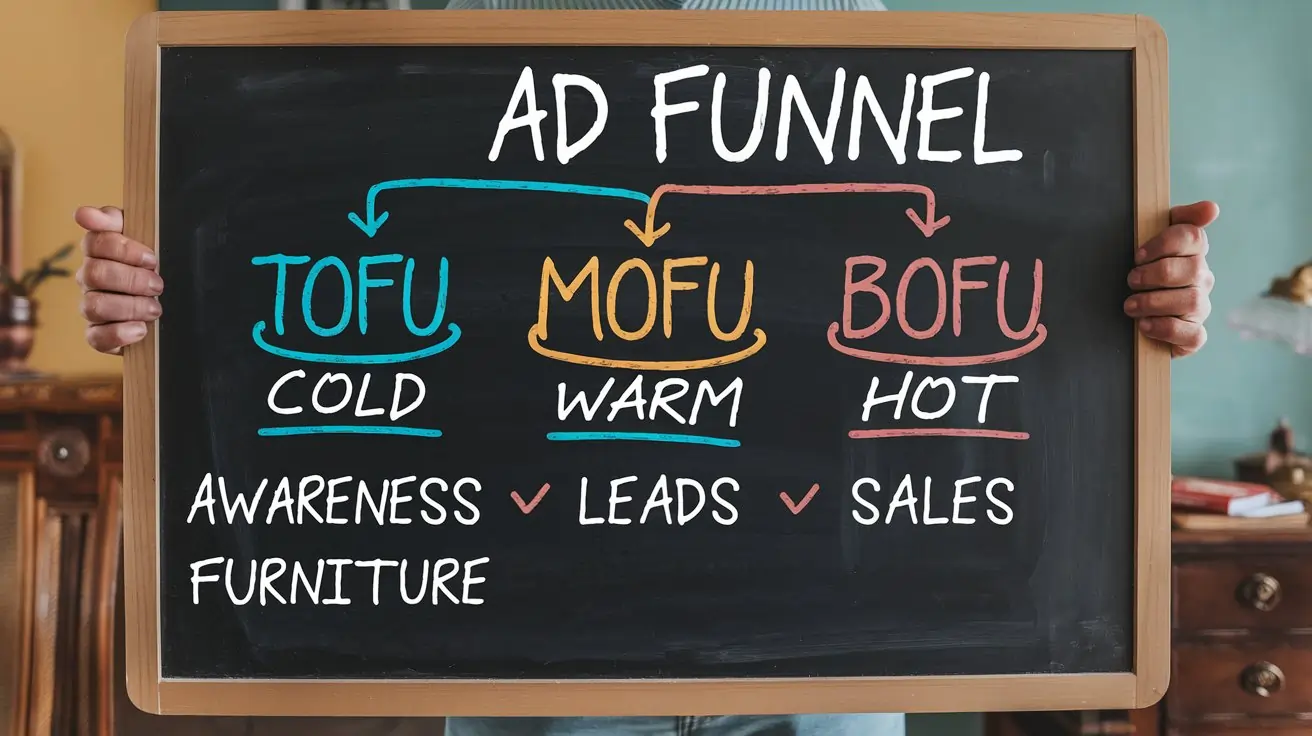
What Are the Three Stages of the Meta Ads Funnel?
Most people run Meta Ads and hope for quick results. However, the truth is that most people don’t buy the first time they encounter your brand. That’s why a clear meta ads funnel matters. It helps you tailor your message to people based on their level of familiarity with your brand.
There are three main stages. I use this structure for every campaign I build.
1. TOFU – Top of Funnel (Cold Audiences)
This is where the journey starts. These people don’t know who you are. They haven’t visited your site or interacted with your brand before. Your goal here is to introduce yourself, not to sell.
You want to give value and start a conversation. This is where you build awareness.
What works well at TOFU:
-
Short videos that show what you do
-
Quick tips or educational content
-
Thoughtful posts that spark curiosity
-
Stories that make your brand relatable
Avoid asking for anything at this stage. Just give people a reason to notice you.
2. MOFU – Middle of Funnel (Warm Audiences)
This group knows you. They may have liked your content, followed your page, or clicked an ad. They’re interested, but not ready to buy.
At this stage, your job is to build trust. Help them understand your offer and why it matters. Remove doubts. Give proof.
What works at MOFU:
-
Testimonials or case studies
-
How-to content or product explainers
-
Comparisons and before-and-after stories
-
Free downloads or lead magnets
The goal is to move them closer to a decision without pressure.
3. BOFU – Bottom of Funnel (Hot Audiences)
These people are ready. They’ve visited your pricing page, added something to their cart, or engaged multiple times.
Now it’s about conversion. You don’t need to reintroduce your brand. You need to give them a reason to act now.
What works at BOFU:
-
Limited-time offers
-
Free trials or consultations
-
Clear benefits and strong CTAs
-
Content focused on making the final decision easy
This is where sales happen, but only if you’ve done the earlier work.
A strong meta ads funnel moves people from cold to warm to hot. Each stage plays a different role. Skipping one will cost you money. When you build the full journey, your ads work better and convert more.
If you’re not yet familiar with how Meta Ads actually work behind the scenes, start with this breakdown of what really drives results. It’ll give you the right mindset before you build your strategy.
The classic TOFU–MOFU–BOFU framework has been used in marketing for years, and this piece by HubSpot does a great job explaining why it works across industries.
How Do Campaign Objectives Match Each Funnel Stage?
When you run Meta Ads, the platform asks you to choose a campaign objective. This isn’t just a technical setting. Your objective tells Meta what result you want. It also guides the algorithm on how to deliver your ads.
Each stage of your meta ads funnel has a different goal. You need to match that goal with the right objective. Here’s how I approach it.
Funnel Stage vs. Campaign Objective
| Funnel Stage | Audience Type | Campaign Goal | Best Meta Objectives | Example Use Case |
| TOFU | Cold audiences | Build awareness | Awareness, Video Views, Traffic | Promote a short brand video or blog article |
| MOFU | Warm audiences | Build trust, educate | Engagement, Leads, Conversions | Offer a free guide or retarget video viewers |
| BOFU | Hot audiences | Drive conversions | Sales, Website Purchases, Catalog Sales | Show a limited-time offer to cart abandoners |
Here’s how I use this in practice:
-
At TOFU, I run traffic or video view campaigns to reach new people. I keep the content focused on value and visibility.
-
For MOFU, I move to lead generation or engagement. A lead magnet or testimonial works well at this stage.
-
At BOFU, I go straight to conversions. This is where I add urgency and use direct calls to action.
A lot of new advertisers choose the wrong objective and end up wasting their budget. If you ask for sales at the top of the funnel, the cost will be high and the results will be weak. If you only boost posts at the bottom, you’ll miss conversions.
Meta explains each campaign objective clearly in this official guide, which I recommend bookmarking.
What’s the Difference Between Prospecting and Retargeting?
Every Meta Ads account should run two types of campaigns: prospecting and retargeting. Both serve different goals, and both are essential if you want consistent results.
Prospecting means reaching new people. These are cold audiences who’ve never seen your brand. It’s what you use at the top of the funnel (TOFU). Your goal is to build awareness and introduce your brand. These campaigns help you grow your audience pool.
Retargeting means speaking to people who already know you. Maybe they watched your video, visited your website, or clicked an ad. These are warm or hot audiences. You use retargeting in the middle and bottom of the funnel (MOFU and BOFU) to build trust and drive conversions.
If you only run prospecting ads, you’ll get reach but no follow-up. If you only retarget, your audience will shrink fast, and your costs will climb. A strong meta ads funnel strategy does both.
The same logic applies across platforms. If you’re unsure when to use Meta versus Google for this, I broke it down in this article on Google Ads vs Meta Ads.
How to Launch Your First Funnel Strategy
If this is your first time building a meta ads funnel, keep it simple. You don’t need a complex setup. Start with two campaigns. One to attract new people. One to follow up with those who showed interest.
This is the same structure I use when helping businesses set up their first ad system.
Step 1: TOFU Prospecting Campaign
-
Goal: Awareness or traffic
-
Audience size: At least 500,000 cold users
-
Budget: 60 percent of your total monthly spend
-
Creative tips:
-
Use short videos or carousels
-
Focus on brand value, not product features
-
Avoid direct offers or sales language
-
-
Key metric: CTR (Click-through rate)
This campaign introduces your brand to new people. You’re building visibility, not selling yet.
Step 2: MOFU + BOFU Retargeting Campaign
-
Goal: Leads or conversions
-
Audience size: Around 10,000 to 50,000 people who visited your site or engaged with your ads
-
Budget: 40 percent of your total spend
-
Creative tips:
-
MOFU: Use testimonials or explainer posts
-
BOFU: Use limited-time offers or free trials
-
-
Key metrics:
-
MOFU: CPL (Cost per lead)
-
BOFU: ROAS (Return on ad spend)
-
This is where conversions happen. These people already know you. Make the next step easy to take.
If you’re unsure about how to structure your budget or audience, you can contact us, and we’ll help you plan your first funnel effectively.
Conclusion: Build with Purpose, Then Measure
Now you have a clear structure to start your Meta Ads journey. You understand how to speak to cold, warm, and hot audiences. You know which campaign objectives to choose and how to balance prospecting with retargeting. You also have a simple, focused plan to launch your first funnel with confidence.
But once your ads are running, the next question is: how do you know what’s working?
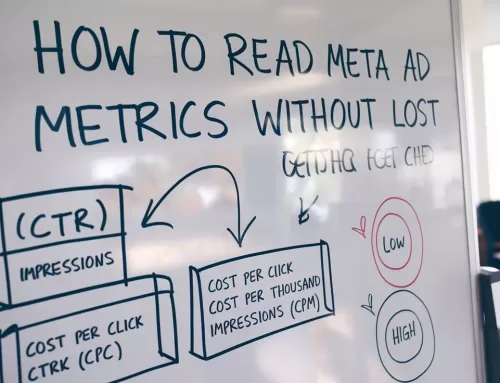
That’s where we’re heading next. In the next article, “How to Read Meta Ad Metrics Without Getting Lost“, I’ll show you how to read your metrics, what to ignore, and how to make better decisions based on real data.
FAQ
1. What if my TOFU ads get clicks but no sales?
That’s expected. At the top of the funnel, people are just becoming familiar with your brand. They may click out of curiosity, not intent. Use this stage to build awareness, then move them into retargeting campaigns where you can build trust and eventually drive conversions.
2. Can I skip TOFU and only run conversion ads?
You can, but it usually leads to poor results. Cold audiences aren’t ready to buy. Without first seeing value or building some trust, even a great product will be ignored. Skipping TOFU means you’ll spend more and convert less.
3. How long should I wait before retargeting someone?
It depends on your funnel length and product type. For most offers, retargeting after 3 to 7 days of engagement works well. That gives people time to absorb your message but keeps your brand fresh in their minds.
4. What metrics should I track at each stage?
Start simple. Use CTR at TOFU to check engagement, CPL at MOFU to measure lead quality, and ROAS at BOFU to track return on spend. Don’t rely on one number alone. Each metric tells part of the full story.
5. What if my retargeting audience is too small?
That’s a sign you need to scale TOFU first. Retargeting only works when you have enough people in your funnel. Focus on expanding your reach with awareness or traffic campaigns, then revisit retargeting once your warm pool grows.